
Understanding Husky Vocalizations
Huskies are known for their dramatic vocal range. Unlike most dogs that bark, Huskies howl, whine, and even ‘talk’ with a distinct, melodic sound. This trait stems from their ancient lineage as sled dogs, where howling served as long-distance communication. To get your Husky to howl to music, you first need to understand why they vocalize and how they perceive sound.
Why Do Huskies Howl?
Howling is an instinctive behavior deeply embedded in the Siberian Husky’s DNA. In the wild, howling helps pack members coordinate and express emotions. Your Husky may howl when they’re excited, lonely, or responding to high-pitched sounds like sirens or musical notes. Music, especially instruments like violins, flutes, or piano keys that mimic the frequency of a howl, can trigger this natural response.
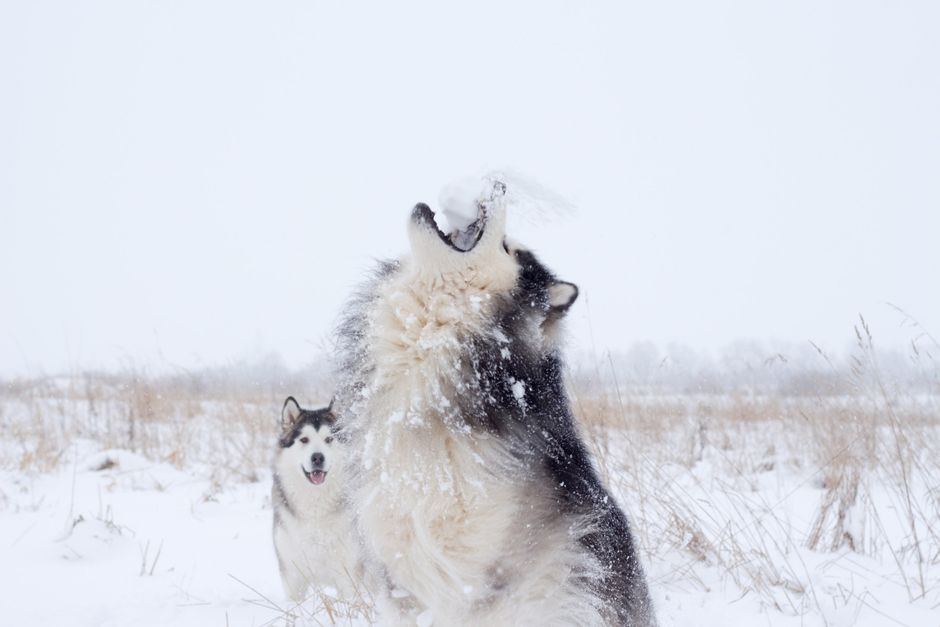
The Connection Between Huskies and Music
Huskies don’t just bark along—they often try to match the pitch they hear. This is why they seem to ‘sing’ to certain songs. Studies suggest that dogs are sensitive to musical structure, and Huskies in particular seem to enjoy harmonizing. Key elements like sustained notes, ascending scales, and emotional crescendos are likely to grab a Husky’s attention and inspire a vocal reply.
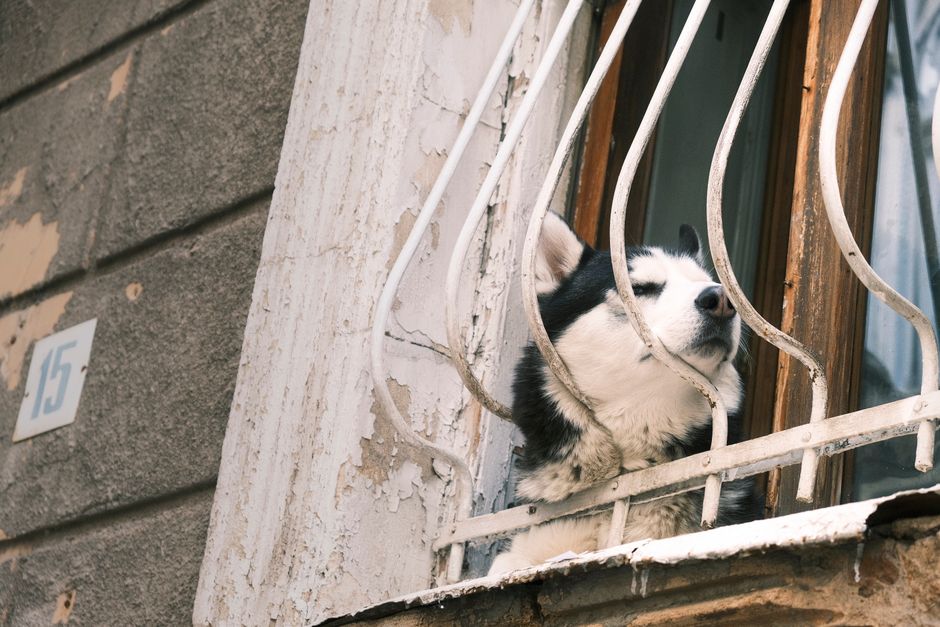
How to Encourage Your Husky to Howl to Music
Training your Husky to howl on command or to specific music requires patience, positive reinforcement, and the right setup. Follow these steps to turn your living room into a canine concert hall.
Step 1: Choose the Right Music
Start with songs that have long, clear notes. Classical pieces like Ave Maria or Canon in D often work well, as do pop songs with drawn-out vocals. Avoid heavy bass or discordant sounds, which can confuse or stress your dog. Over time, you can experiment with genres like country, folk, or even children’s lullabies.
Step 2: Start with Familiar Sounds
If your Husky already howls at sirens or other outside noises, use those as a bridge. Play a recording of a siren or a howling dog at low volume while you play the song you’ve chosen. Gradually fade the trigger sound so only the music remains. This associative technique helps your dog connect the new sound with the familiar howling impulse.
Step 3: Use Positive Reinforcement
Whenever your Husky makes any vocal sound in response to the music, immediately reward with a treat, praise, or gentle petting. Clicker training can be especially effective—click and treat the moment they start to howl. Be consistent: reward only when they howl and not for barking or whining. Over time, they’ll understand that howling to music earns them good things.
Step 4: Join In the Fun
Dogs are social creatures, and many Huskies will mirror your behavior. Try howling yourself along with the music—even if you’re off-key! Your Husky may interpret this as a pack bonding signal and join in. Keep sessions short (5–10 minutes) and always end on a positive note. Once your Husky reliably howls to certain songs, you can add a verbal cue like “Sing!” or “Howl!” before the music starts.
Common Mistakes to Avoid
- Forcing the behavior: Never use loud or startling sounds to trigger howling. This can create anxiety and aggression.
- Inconsistent reinforcement: If you reward only sometimes, your Husky will get confused. Be clear about what you want.
- Too much repetition: Playing the same song on loop can bore or desensitize your dog. Rotate a playlist of 5–10 tracks.
- Neglecting comfort: If your Husky seems stressed (ears back, tail tucked, whining), stop immediately. Howling should be a fun, voluntary activity.
Safety and Comfort Tips
While encouraging your Husky to sing along, keep these guidelines in mind:
| Aspect | Recommendation |
|---|---|
| Volume | Keep music at a moderate level. Loud music can damage a dog’s sensitive hearing. |
| Time of day | Practice during daytime hours to avoid disturbing neighbors. Huskies are vocal and can be loud. |
| Hydration | Howling uses vocal cords; ensure fresh water is nearby. |
| Environment | Choose a quiet room without distractions. A calm space helps your Husky focus on the music. |
| Health check | If your Husky suddenly stops howling or seems hoarse, consult your vet. Overuse can strain their voice. |
Remember, not every Husky will become a vocal superstar. Some may only respond to certain tones or never howl at all—and that’s perfectly okay. The goal is to strengthen your bond and have fun together. With patience and the right technique, you’ll soon enjoy your own personal Husky choir.