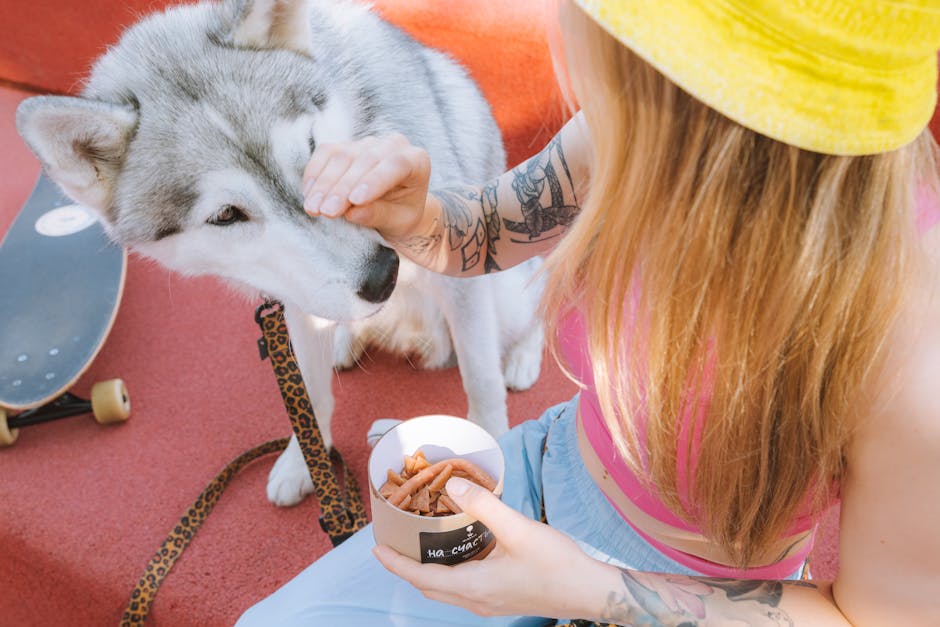
The Husky's Dramatic Reputation
If you've ever shared your home with a Siberian Husky, you know that mealtime is not just about eating—it's a theatrical performance. From exaggerated whines to full-body spins, Huskies have a knack for making their feelings about food known in the most over-the-top ways. This behavior, while amusing, often leaves owners wondering: why do they act so silly? In this guide, we'll explore the reasons behind these dramatic food reactions, offer practical tips to manage them, and help you differentiate between playful antics and genuine concerns.
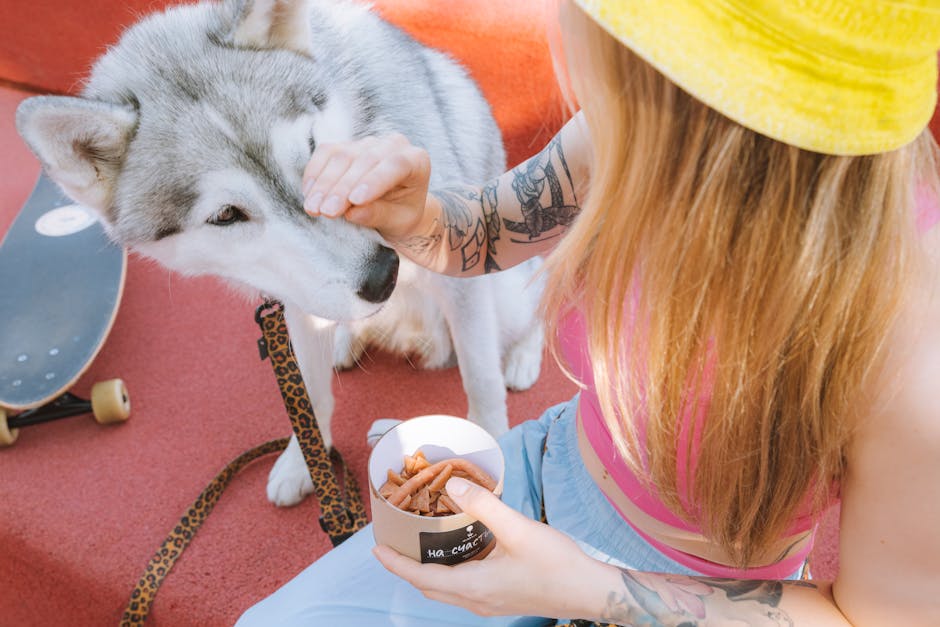
Why Huskies React So Dramatically to Food
Huskies are an ancient breed developed by the Chukchi people of Siberia to pull sleds over long distances. Their survival depended on efficient use of energy, which included a strong instinct to eat when food was available. This evolutionary background makes food highly rewarding for them. Additionally, Huskies are known for their vocal nature; they often 'talk' to communicate with their humans. Combine that with their high intelligence and stubborn streak, and you get a dog that isn't afraid to express itself loudly and clearly when food is involved.
Another key factor is their pack mentality. In a pack, mealtime is a social event. Domesticated Huskies transfer this behavior to their human family. The dramatic reactions—whining, pawing, spinning, or even throwing themselves on the floor—are their way of engaging with you and ensuring they get their share. This is not necessarily a sign of hunger, but rather a ritualized performance that strengthens the bond between dog and owner.
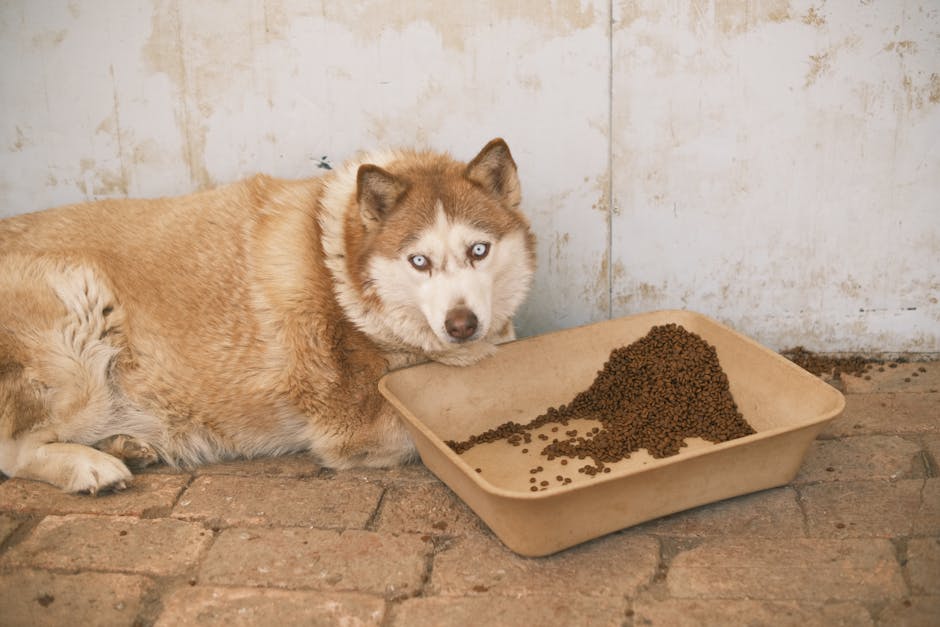
Common Dramatic Food Reactions
Husky owners will recognize these classic moves:
- The Whine Symphony: A high-pitched, sustained whine that starts as soon as you enter the kitchen. It may escalate into a howl if you're slow.
- The Spin Cycle: Frantic circling or spinning on the spot, sometimes combined with excited yelps.
- The Floor Flop: Dropping to the ground with a dramatic thud, often accompanied by a sigh or groan.
- The Paw Tap: Using a paw to gently (or not so gently) tap your leg or the counter.
- The Side-Eye: Intently staring at you from the corner of their eye, as if willing the food bowl to fill itself.
- The 'Awoo' Howl: A full-throated howl that sounds like they're about to starve, even if they just ate.
These behaviors are generally harmless and part of the breed's charm. But why do they continue even after you've fed them? Often, they're hoping for seconds or trying to negotiate treats.
Is It Just Attention-Seeking?
Yes and no. While Huskies are masters at training their humans, their food drama is deeply rooted in instinct. However, they quickly learn that certain behaviors elicit a response—like you laughing, talking to them, or giving in. This positive reinforcement strengthens the cycle. To reduce drama, it's helpful to understand that every reaction you give (even a scolding) can be seen as attention. The best approach is calm, consistent, and unemotional when dealing with food-related antics.
| Behavior | Likely Meaning | Owner Response to Avoid |
|---|---|---|
| Whining near bowl | Anticipation or impatience | Rushing to feed |
| Pawing at you | Request for food or attention | Giving treats from table |
| Howling loudly | Excitement or frustration | Shouting back |
| Flop on floor | Exhaustion or dramatic plea | Picking them up |
How to Handle a Dramatic Husky at Mealtime
While the silliness is endearing, it can become problematic if it leads to begging, food guarding, or obesity. Here are practical tips:
- Establish a Routine: Feed at the same times every day. Huskies thrive on predictability, and knowing when food arrives reduces anxiety and drama.
- Use a Command: Teach a 'settle' or 'wait' command before placing the bowl. Reward calm behavior with food. This shifts the focus from performance to obedience.
- Ignore Over-the-Top Behavior: When your Husky launches into a spin or howl, turn your back and wait for a moment of calm. Then proceed. This teaches that drama doesn't speed up mealtime.
- Offer Food in Interactive Toys: Slow feeders, puzzle bowls, or Kongs can channel their energy into mental work. The drama often dissipates when they have to work for their food.
- Don't Reward Begging: Never give food from your plate or while you cook. If you do, you'll reinforce the drama.
Training Tips to Reduce Over-the-Top Behavior
Consistency and patience are key. Here's a simple training exercise:
- Have your Husky sit calmly in the kitchen before you prepare their food.
- If they whine or spin, stop what you are doing and wait.
- Only continue when they are quiet and still.
- Gradually increase the duration of calmness before placing the bowl down.
- Use a marker word like 'yes' and give a small treat for calm behavior during preparation.
This technique, known as 'capturing calmness', can significantly reduce dramatic reactions over time. Remember, Huskies are smart; they will test boundaries. Stay firm but kind.
When to Worry: Health Concerns vs. Drama
While most drama is harmless, excessive or sudden changes in food-related behavior can signal health issues. Watch for:
- Sudden loss of appetite with dramatic whining (could indicate dental pain, nausea, or digestive issues).
- Aggressive guarding of food bowl (beyond growling—snapping or biting).
- Extreme restlessness after eating (possible bloat or discomfort).
- Vomiting or diarrhea accompanied by dramatic behavior.
If you notice any of these, consult your veterinarian. Otherwise, embrace the silliness! It's part of what makes Huskies such entertaining companions.
, a Husky's dramatic food reactions are a blend of instinct, intelligence, and socialization. Understanding the 'why' behind the antics allows you to manage them without stifling their personality. By setting boundaries and using positive training, you can enjoy mealtime with your Husky's unique brand of comedy—without the chaos. So next time your Husky puts on a show, smile, remember these tips, and feel confident in handling your four-legged star.