The Myth of the Howling Husky
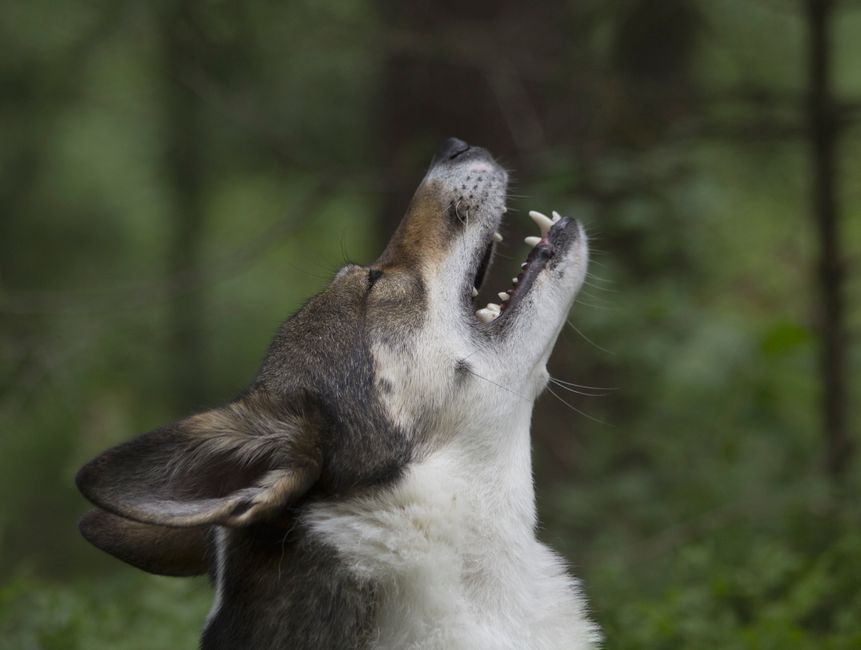
For centuries, the image of a Siberian Husky lifting its head to the moon and letting out a haunting howl has been embedded in folklore, movies, and pop culture. From old werewolf legends to modern memes, the idea that Huskies howl specifically at the moon is persistent. But is there any truth behind this celestial serenade? Let's separate myth from fact and discover the real reasons behind those melodious howls.
Why Do Huskies Howl? The Science Behind the Sound
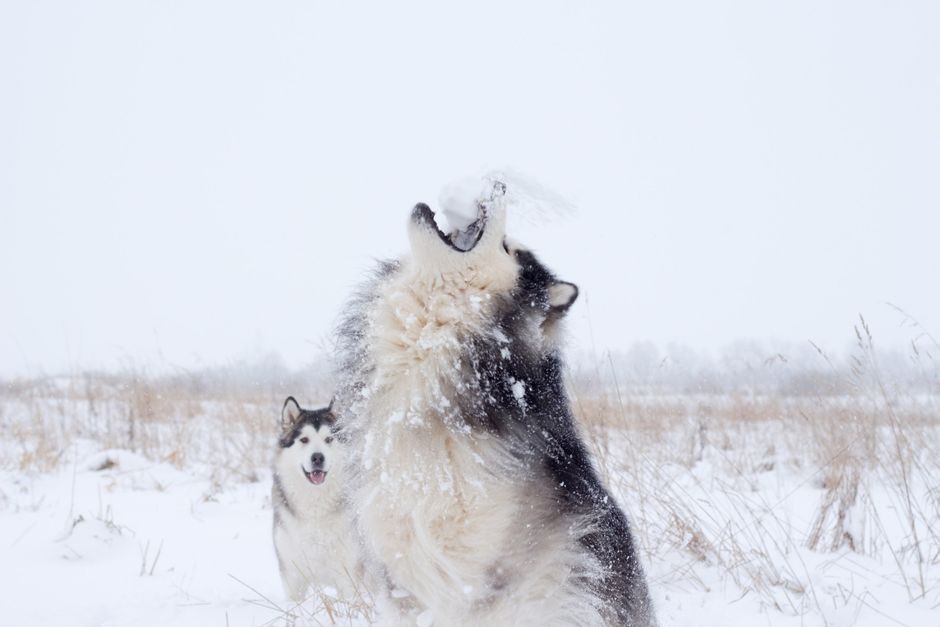
Huskies are a primitive breed, closer genetically to wolves than many other domestic dogs. Howling is an ancient form of communication inherited from their wild ancestors. Unlike barking, which is often used for short-distance alerts, howling travels over long distances and serves several key purposes:
- Pack Communication: Howling helps Huskies locate each other or signal their position. In a domestic setting, your Husky might howl when you leave the house to call you back.
- Response to High-Pitched Sounds: Sirens, musical instruments, or even a crying baby can trigger a howling response. It's not the moon but the pitch that mimics a howl.
- Separation Anxiety: Huskies are social pack animals. When left alone, they may howl to express distress or boredom.
- Attention-Seeking: If howling gets your attention (even scolding), your Husky learns it works.
Do Huskies Actually Howl at the Moon?
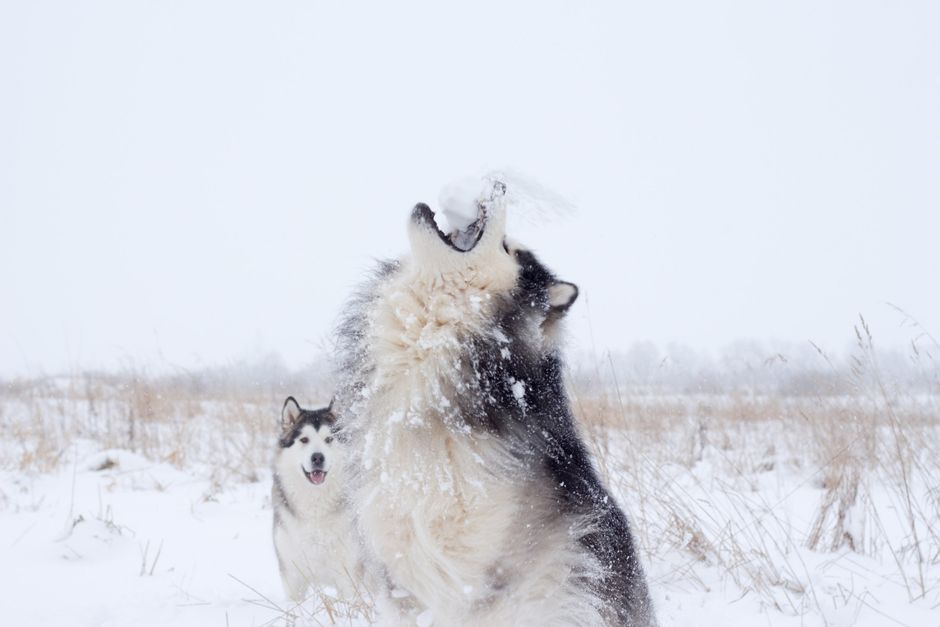
The short answer: No, Huskies do not howl at the moon intentionally. The moon has no direct effect on a Husky's vocal behavior. However, there are a few indirect reasons why the myth persists:
- Nighttime Activity: Huskies are naturally more active at dawn and dusk (crepuscular), and the bright moonlight may make them more visible when they howl, creating a visual association.
- Moonlight Triggers: A full moon provides extra light, which might encourage more evening activity, including howling, but the howl itself is not directed at the moon.
- Cultural Imagery: Stories and movies often show wolves howling at the moon, and since Huskies resemble wolves, the trope stuck.
Common Triggers for Husky Howling
If it's not the moon, what sets off your Husky's siren? Here are the most common triggers:
- Sirens and Alarms: Emergency vehicle sirens, fire alarms, or even a smoke detector beep can prompt a chorus of howls.
- Musical Instruments: Harmonicas, flutes, pianos, and even certain songs can spark a howling session. Some Huskies “sing along” to their favorite tunes.
- Other Dogs: Howling is contagious. If another dog in the neighborhood starts, your Husky will likely join in.
- Loneliness or Boredom: Leaving a Husky alone for long hours often leads to howling. They are expressing their need for company or activity.
- Excitement: Some Huskies howl when greeting their owners, preparing for a walk, or playing.
How to Manage Excessive Howling
While some howling is normal and even charming, excessive or disruptive howling can be a problem. Here are practical tips to keep the peace:
- Provide Plenty of Exercise: A tired Husky is a quiet Husky. Aim for at least 60 minutes of vigorous activity daily.
- Mental Stimulation: Puzzle toys, training sessions, and interactive games keep their sharp minds occupied, reducing boredom howls.
- Desensitization Training: If sirens trigger howling, play recordings at low volume while rewarding calm behavior, gradually increasing volume.
- Address Separation Anxiety: Practice short departures, provide a comforting item with your scent, and consider crate training for a safe den.
- Never Punish Howling: Scolding often increases anxiety. Instead, ignore attention-seeking howls and reward quiet moments.
- Consult a Professional: If howling persists with other destructive behaviors, a veterinarian or behaviorist can help rule out medical issues.
Fun Facts About Husky Howling
Now that we've debunked the moon myth, here are some truly fun facts about Husky howling:
- They Have “Howl-o-ween” Parties: Husky owners often gather for group howl sessions—a joyful cacophony!
- Howling is Not Barking: Huskies rarely bark; they prefer howling, whining, or “talking” with grumbles and yodels.
- Record-Breaking Howls: The longest recorded Husky howl lasted over 10 seconds (unofficial home video).
- Pitch and Meaning: High-pitched howls often indicate excitement, while low, drawn-out howls signify loneliness.
- Singing in Unison: When multiple Huskies howl together, they often harmonize, adjusting their pitch to create a chorus.
Conclusion
Huskies do not howl at the moon out of mystical reverence, but their howls are a beautiful, ancient form of communication. Understanding why your Husky howls—and what triggers it—can help you manage the behavior while appreciating its natural charm. So next time your Husky lifts its head and sings, don't look for the moon; listen to what your furry friend is trying to say. Embrace the howl—it's part of what makes a Husky so wonderfully unique.