Is your Siberian Husky looking a bit too lean? While Huskies are naturally athletic and slender dogs, being underweight can signal underlying health issues or simply a need for a more caloric diet. Helping your Husky gain weight safely requires a strategic approach that prioritizes nutrition over empty calories. This guide provides a comprehensive diet plan tailored to the unique needs of your Husky, ensuring they pack on healthy pounds without compromising their energy or digestion.

Understanding Why Your Husky Is Underweight
Before diving into a diet plan, it’s crucial to identify the root cause of your Husky's low weight. Common reasons include:
- High Metabolism: Huskies are bred for endurance and have a fast metabolism, making it hard for them to maintain weight.
- Parasites: Worms like roundworms, hookworms, or giardia can steal nutrients.
- Dental Problems: Painful teeth or gums may cause your Husky to eat less.
- Stress or Anxiety: Changes in environment, separation anxiety, or boredom can suppress appetite.
- Underlying Illness: Conditions such as thyroid issues, diabetes, or gastrointestinal diseases can cause weight loss.
- Poor Quality Diet: Low-calorie or low-protein food may not meet energy needs.
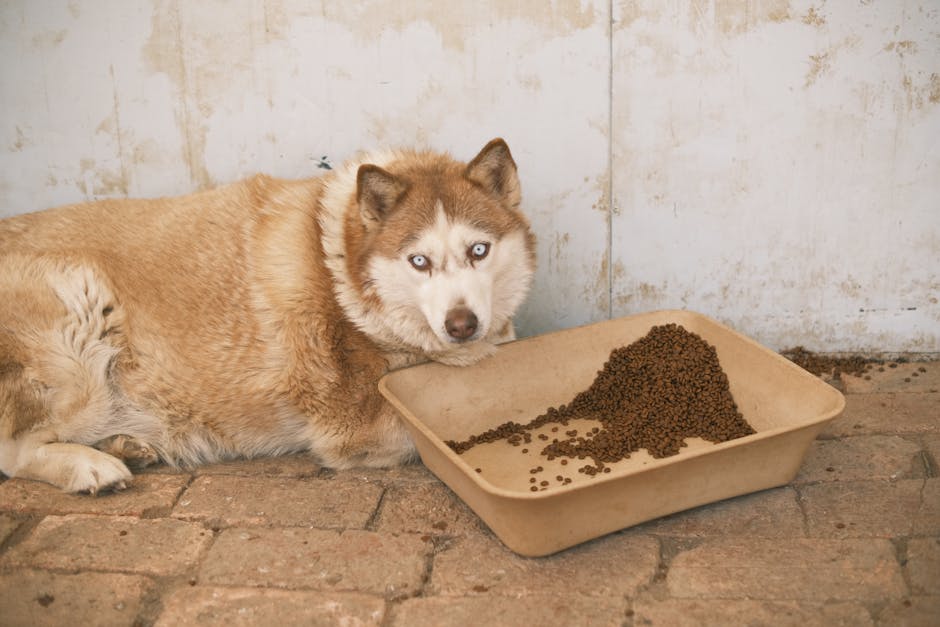
Before You Start: Consult Your Veterinarian
A visit to the vet is the first and most important step. Your vet can rule out medical causes, check for parasites, and determine your Husky’s ideal weight and body condition score. They may recommend a specific diet or supplements. Never attempt a weight gain plan without a professional diagnosis, as rapid weight gain can be harmful.
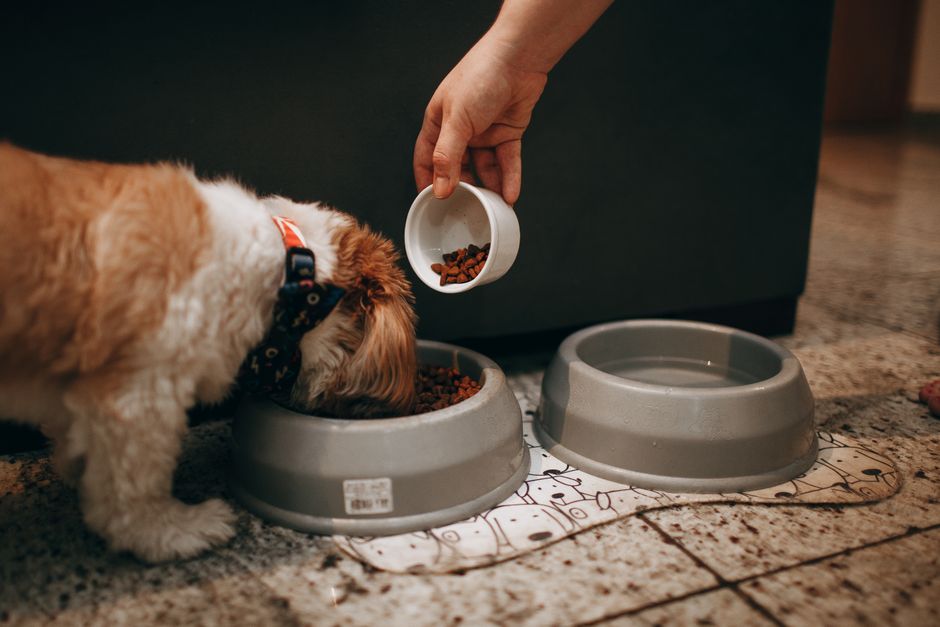
Key Nutritional Principles for Weight Gain
High-Quality Protein
Protein is important for muscle building and repair. Look for ingredients like chicken, lamb, fish, or eggs. The Association of American Feed Control Officials (AAFCO) recommends at least 22% protein for adult dogs, but for weight gain, aim for 25-30%. Protein also helps maintain lean muscle mass while adding weight.
Healthy Fats
Fats are the most calorie-dense nutrient, providing 9 calories per gram compared to 4 from protein and carbs. Incorporate sources like chicken fat, fish oil, flaxseed, and olive oil. Omega-3 and omega-6 fatty acids also support skin and coat health. Aim for 15-20% fat in your Husky’s diet.
Carbohydrates and Fiber
Carbs provide energy and can help with weight gain when chosen wisely. Opt for complex carbs like sweet potatoes, brown rice, oats, and barley. Fiber (from pumpkin, carrots, or green beans) aids digestion and helps regulate blood sugar. Avoid fillers like corn and wheat, which offer minimal nutrients.
The Ultimate Husky Weight Gain Diet Plan
Below is a balanced, high-calorie meal plan that you can adjust based on your Husky’s age, activity level, and preferences. Always introduce new foods gradually over 5-7 days to avoid digestive upset.
Sample Weekly Meal Plan
Portions are for a 50-lb (22.7 kg) Husky. Adjust based on your dog’s needs.
| Day | Breakfast (7 AM) | Lunch (12 PM) | Dinner (6 PM) |
|---|---|---|---|
| Monday | 1 cup high-quality kibble + 1/4 cup cottage cheese | 1/2 cup boiled chicken + 1/3 cup sweet potato | 1 cup kibble + 1 tbsp coconut oil |
| Tuesday | 1 cup kibble + 1 scrambled egg | 1/2 cup ground beef + 1/2 cup brown rice | 1 cup kibble + 1 tbsp fish oil |
| Wednesday | 1 cup kibble + 1 tbsp peanut butter (xylitol-free) | 1/2 cup sardines (in water) + 1/3 cup oatmeal | 1 cup kibble + 1/4 cup plain yogurt |
| Thursday | 1 cup kibble + 1/2 cup pumpkin puree | 1/2 cup turkey + 1/2 cup quinoa | 1 cup kibble + 1 tbsp olive oil |
| Friday | 1 cup kibble + 1/4 cup goat milk | 1/2 cup liver (cooked) + 1/3 cup peas | 1 cup kibble + 1 egg yolk |
| Saturday | 1 cup kibble + 1/4 cup cottage cheese | 1/2 cup chicken thighs + 1/2 cup white rice | 1 cup kibble + 1 tbsp flaxseed oil |
| Sunday | 1 cup kibble + 1 scrambled egg | 1/2 cup salmon + 1/3 cup sweet potato | 1 cup kibble + 1/4 cup yogurt |
Supplements and Additives to Boost Weight
If your Husky is still struggling, consider these supplements (vet-approved first):
- Probiotics: Improve digestion and nutrient absorption. Look for strains like Lactobacillus and Bifidobacterium.
- Digestive Enzymes: Help break down food, especially if your dog has a sensitive stomach.
- Omega-3 Fatty Acids: Fish oil or krill oil can boost calories and reduce inflammation.
- Nutrient Calorie Gels: High-calorie paste like Nutri-Cal or Tomlyn can be added to meals.
- Raw Eggs: Full of protein and healthy fats; serve raw or lightly cooked (avoid raw egg whites for biotin concerns).
- Goat Milk: Easier to digest than cow’s milk and rich in calories and probiotics.
Feeding Schedule and Portion Control
Huskies do well with multiple small meals rather than one large one. Feed 3-4 meals per day to increase total caloric intake without overwhelming the stomach. Portion sizes depend on the calorie density of the food. Use a kitchen scale to measure properly. Increase total calories by 25-50% above maintenance levels, but do so gradually. Monitor body condition weekly—you want to see muscle and fat gain, not just a distended belly.
Additional Tips for Encouraging Weight Gain
- Make Meals Appealing: Warm the food slightly (microwave for 10 seconds) or add warm water to release aromas.
- Use Toppers: Sprinkle freeze-dried liver, parmesan cheese (low salt), or bone broth over kibble.
- Exercise Moderately: Too much exercise can burn calories needed for weight gain. Stick to low-to-moderate activity: short walks, mental games, and gentle play.
- Reduce Stress: Provide a quiet eating area, stick to a routine, and use puzzle toys to make eating fun.
- Feed Before Bed: A small high-protein snack before sleep can prevent overnight weight loss.
- Switch to a Higher Calorie Food: Some premium brands have up to 450-500 calories per cup. Look for “performance” or “high-energy” formulas.
Monitoring Progress and Adjusting the Plan
Weigh your Husky every week using the same scale and time of day. Keep a log of body condition score (BCS) where 1 is emaciated, 5 is ideal, and 9 is obese. Your goal is a BCS of 4-5, meaning ribs are felt with slight fat covering, and waist is visible. If after 2 weeks there is no weight gain, increase daily calories by 10-15%. If weight gain is too rapid (more than 2-3% per week), reduce portions slightly. Always consult your vet if you have concerns about health or if your dog is not responding.
Helping your Husky gain weight is a gradual process that requires patience and consistency. With a high-quality diet, balanced supplements, and proper feeding routines, your Husky can reach a healthy weight while maintaining the energy that makes them so special. Remember, every dog is different, so tailor this plan to your Husky’s unique needs and enjoy the journey to a healthier, happier companion.
Recommended Products for Your Husky
As an Amazon Associate, we earn from qualifying purchases. Learn more.
- Husky Care Essentials — Check price on Amazon
- Best-Selling Dog Gear — Check price on Amazon
- Newest Husky Products — Check price on Amazon
Frequently Asked Questions
How do I switch dog foods safely?
Mix the new food in over 7–10 days, increasing the ratio gradually. A sudden switch causes vomiting or diarrhea.
How much should I feed my Husky?
Most adults eat 1.5–2 cups of quality kibble split into two meals. Adjust for age, weight, and activity — working dogs need more, couch potatoes less.
What is the best food for a Husky?
Look for a meat-first formula with 25–30% protein and healthy fats. Many owners use salmon- or lamb-based foods for coat and skin health.
Editor's Note
One habit we push hard: a frozen Kong at dinner time. It buys two quiet hours and slows eating. We've recommended it to hundreds of owners and the only complaints are from dogs who finish too fast—which means we sized the treat down.
Sources & Further Reading
HuskySpot researches each topic against recognized breed and veterinary authorities. The following organizations inform our content: