Introduction
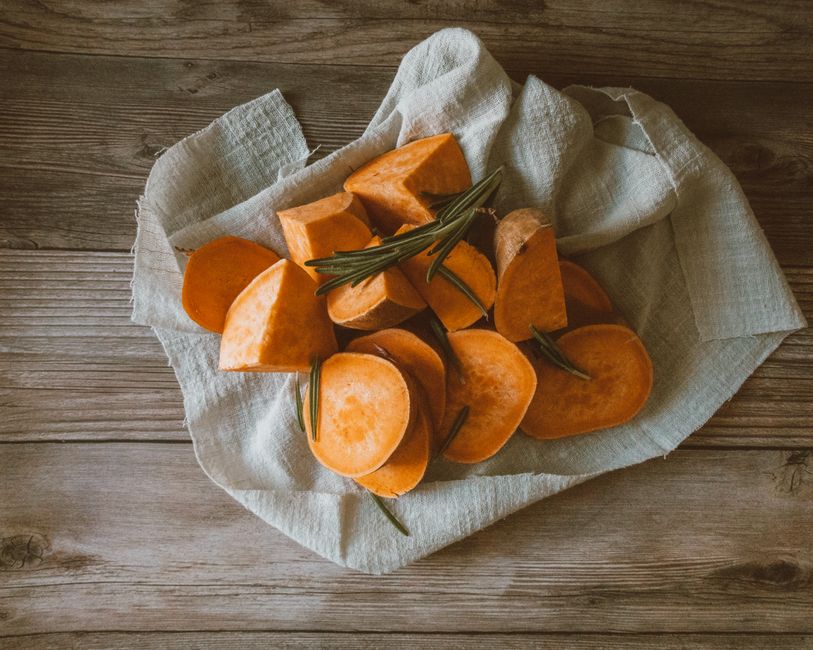
Sweet potatoes are a popular human food often touted for their nutritional benefits. As a Siberian Husky owner, you may wonder whether this root vegetable is safe for your furry friend. The short answer is yes—Huskies can eat sweet potatoes in moderation, but there are important guidelines to follow. This guide covers everything you need to know about feeding sweet potatoes to your Husky, including health benefits, potential risks, proper preparation, and serving sizes.

Nutritional Value of Sweet Potatoes
Sweet potatoes are packed with vitamins, minerals, and fiber. Below is a table showing the nutritional content per 100 grams of cooked sweet potato (without skin).
| Nutrient | Amount |
|---|---|
| Calories | 90 kcal |
| Protein | 2 g |
| Fat | 0.1 g |
| Carbohydrates | 21 g |
| Fiber | 3.3 g |
| Vitamin A (as beta-carotene) | 709 µg (79% DV) |
| Vitamin C | 2.4 mg |
| Vitamin B6 | 0.3 mg |
| Potassium | 337 mg |
| Magnesium | 27 mg |
Key highlights include high vitamin A (good for eyes and immune health), vitamin C (antioxidant), and fiber (digestive health). However, sweet potatoes are also high in carbohydrates, so portion control is essential.
Health Benefits for Huskies
1. Rich in Antioxidants
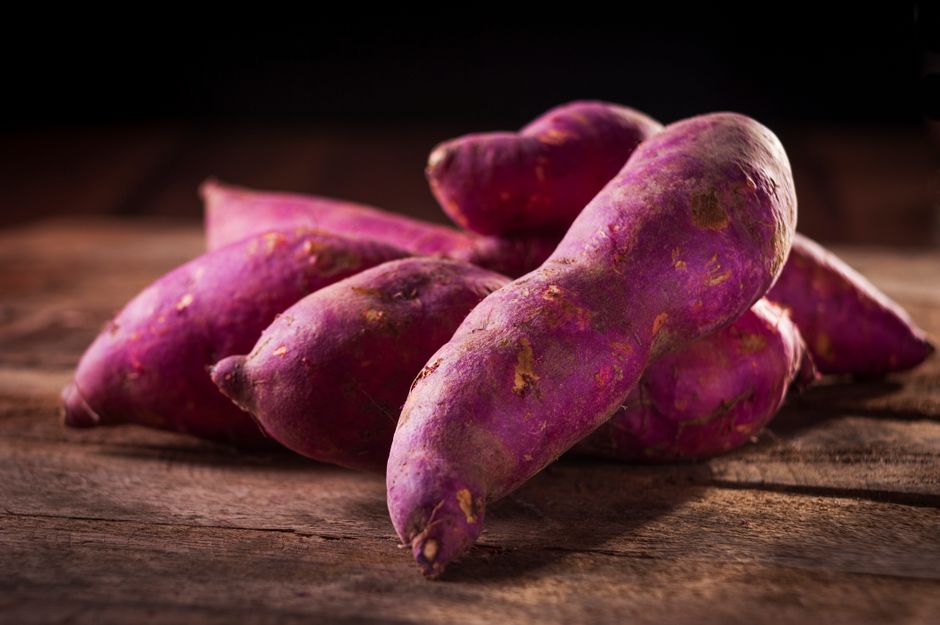
Beta-carotene in sweet potatoes converts to vitamin A, which supports a healthy immune system and vision. Antioxidants help reduce oxidative stress and inflammation, common in active breeds like Huskies.
2. Digestive Health
The dietary fiber in sweet potatoes aids in regular bowel movements and can help with both diarrhea and constipation when fed in appropriate amounts. It also promotes a healthy gut microbiome.
3. Low in Fat
Sweet potatoes are virtually fat-free, making them an excellent treat for Huskies prone to weight gain or pancreatitis. They provide energy without unnecessary fats.
4. Skin and Coat Support
Vitamins A and C contribute to skin health and a shiny coat. The beta-carotene also acts as a natural anti-inflammatory for skin allergies.
Potential Risks and Precautions
1. High Carbohydrate Content
While healthy, sweet potatoes are carb-heavy. Overfeeding can lead to weight gain or blood sugar spikes, especially in less active Huskies. Treat sweet potatoes as a snack, not a meal replacement.
2. Oxalates
Sweet potatoes contain oxalates, which in very high amounts may contribute to the formation of calcium oxalate bladder stones. Huskies with a history of urinary issues should avoid large quantities.
3. Choking Hazard (Raw or Whole)
Raw sweet potatoes are hard and can cause choking or intestinal blockage. Always cook them thoroughly and cut into small, bite-sized pieces.
4. Allergies
Though rare, some dogs may have an intolerance to sweet potatoes. Signs include vomiting, diarrhea, or skin itching. Introduce slowly and monitor your Husky.
How to Prepare Sweet Potatoes for Your Husky
Proper preparation is crucial to make sweet potatoes safe and digestible.
- Wash and peel the sweet potato to remove dirt and reduce fiber load. Peeling also lowers oxalate content slightly.
- Cook thoroughly by boiling, baking, steaming, or microwaving without any seasonings, butter, oil, salt, or spices. Plain is best.
- Mash or cut into small cubes (about 1 cm) to prevent choking and ease digestion.
- Never feed raw – raw sweet potatoes are too hard and may contain compounds that are difficult to digest.
Avoid canned sweet potatoes (often packed in syrup) and sweet potato fries (high in fat and salt).
How Much Sweet Potato Can a Husky Eat?
Portion size depends on your Husky’s size, activity level, and diet. As a general rule:
- Treats should make up no more than 10% of daily caloric intake.
- For an adult Husky (20–27 kg), 1–2 tablespoons (about 15–30 grams) of cooked sweet potato once or twice a week is sufficient.
- Puppies and seniors may need smaller amounts. Consult your vet.
- Start with a tiny piece to test tolerance, then gradually increase if no issues arise.
Alternatives and Variety
If your Husky enjoys sweet potatoes, you can also offer similar healthy treats:
- Pumpkin (plain, cooked) – excellent for digestion, low in sugar.
- Carrots (raw or cooked) – crunchy and low calorie.
- Green beans (no salt) – low calorie and high in fiber.
- Blueberries – antioxidant-rich small treats.
Rotate treats to provide a range of nutrients.
Frequently Asked Questions
Can Huskies eat sweet potato skin?
The skin is edible but tough and high in fiber. It may be harder to digest; peeling is recommended for easier digestion.
Are sweet potatoes safe for Husky puppies?
Yes, in very small amounts (e.g., a teaspoon) as an occasional training treat. Ensure it’s mashed well to prevent choking.
Can sweet potatoes cause diarrhea in Huskies?
Too much sweet potato can lead to loose stools due to high fiber and sugar. Stick to recommended portions.
Is sweet potato better than regular potato?
Sweet potatoes are generally preferred because they have more vitamins and fiber, while white potatoes contain solanine (toxic) when raw or green.
Conclusion
Sweet potatoes can be a nutritious and delicious treat for your Siberian Husky when prepared correctly and fed in moderation. They offer vitamins, fiber, and antioxidants that support overall health. However, always avoid raw or seasoned sweet potatoes, and monitor your dog for any adverse reactions. For a balanced diet, use sweet potatoes as an occasional snack rather than a staple. As with any new food, consult your veterinarian, especially if your Husky has specific health conditions. Enjoy sharing this healthy treat with your furry friend!
Recommended Products for Your Husky
As an Amazon Associate, we earn from qualifying purchases. Learn more.
- Husky Care Essentials — Check price on Amazon
- Best-Selling Dog Gear — Check price on Amazon
- Newest Husky Products — Check price on Amazon
Editor's Note
Our editors have handled more food-transition disasters than we'd like. The 7-to-10-day rule exists for a reason—husky stomachs are sensitive, and a one-day switch means three days of cleanup. We now print the schedule on the food bag.
Sources & Further Reading
HuskySpot researches each topic against recognized breed and veterinary authorities. The following organizations inform our content: