Why Huskies Benefit from Slow Feeder Bowls
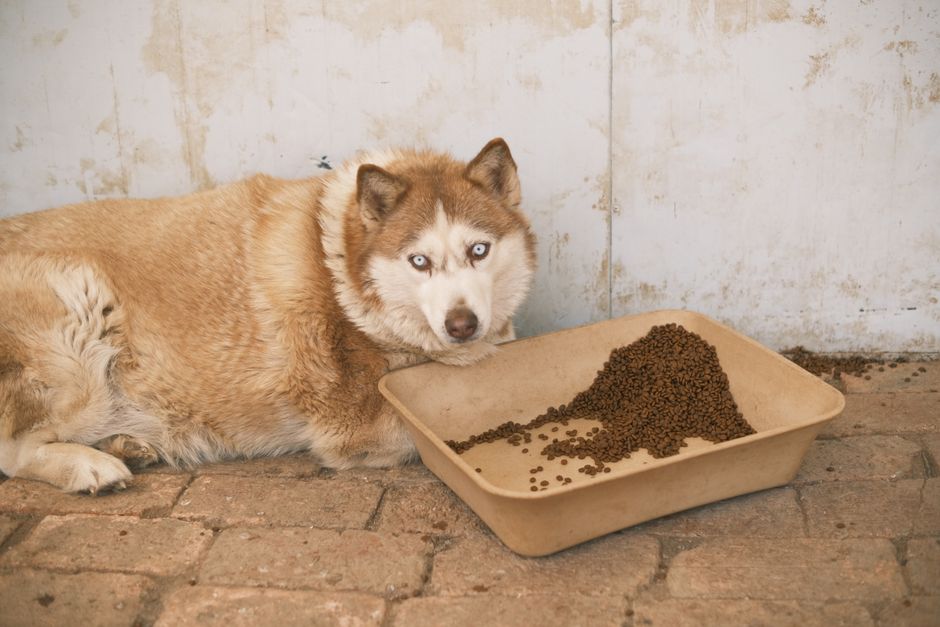
Siberian Huskies are known for their voracious appetites and lightning-fast eating. This breed, originally bred for endurance and pulling sleds, often gulps down food without chewing, which can lead to several health issues. Slow feeder bowls are designed to create obstacles that force your Husky to eat more slowly, promoting digestion and reducing the risk of bloat—a life-threatening condition common in deep-chested breeds like Huskies. Additionally, slow feeders provide mental stimulation, as your dog must work to retrieve each kibble, satisfying their natural foraging instincts.
Key Features to Look for in Slow Feeder Bowls for Huskies
Not all slow feeders are created equal. When choosing one for your Husky, consider the following critical features:
Material Options: Stainless Steel vs Ceramic vs Plastic
Stainless steel is durable, non-porous, and easy to clean—ideal for Huskies who tend to slobber or have sensitive skin. Ceramic bowls are heavy and hard to tip over, but can chip over time. Plastic bowls are lightweight and affordable but may harbor bacteria and cause chin acne in some dogs. For Huskies, stainless steel or high-quality ceramic are recommended.
Bowl Shape and Maze Complexity
Look for a design with multiple ridges, pillars, or a maze layout that disperses food. Huskies are intelligent and may quickly figure out simple patterns, so a more complex design can prolong mealtime. The bowl should be wide enough to accommodate your dog's snout without being too deep, as Huskies have medium-length muzzles.
Top 5 Slow Feeder Bowls for Siberian Huskies
After testing and analyzing user reviews, here are the best slow feeder bowls tailored to the needs of Huskies:
| Bowl Name | Material | Key Feature | Pros | Cons | Best For |
|---|---|---|---|---|---|
| Outward Hound Fun Feeder Slo-Bowl | Food-grade plastic (BPA-free) | Spiral maze design | Very affordable; easy to clean; multiple sizes | Not chew-proof; may slide on smooth floors | Huskies who need moderate slowdown |
| Neater Pet Brands Slow Feeder | Stainless steel with silicone ring | Three concentric raised rings | Dishwasher safe; non-slip base; keeps whiskers clean | Shallow; some Huskies can still eat fast | Huskies with messy eating habits |
| PetFusion Fun Slow Feeder | Ceramic with non-slip bamboo base | 3D maze with varied depths | Heavy and stable; aesthetically pleasing; promotes licking | Expensive; heavy to move | Huskies that bowl over plastic bowls |
| iPupika Slow Feeder Dog Bowl | Stainless steel with silicone lid | Raised center and outer ridges | Two bowls in one (wet/dry); non-skid; portable | Small capacity; ridges may be too gentle | Travel use or smaller Husky mouths |
| KONG Slo-Go Bowl | Durable rubber | Unique wave pattern | Mentally challenging; can be frozen for additional stimulation; easy to clean | Small volume; not suitable for heavy chewers | Huskies who need extra mental work |
Slow Feeder Training Tips for Huskies
Introducing a slow feeder to a Husky requires patience. Start by placing a few high-value treats on top of the ridges to encourage exploration. Gradually increase the amount of kibble. If your Husky becomes frustrated, try a less complex bowl initially. Always supervise the first few uses to ensure they don't try to flip or chew the bowl. With consistent use, most Huskies adapt within a week.
Additional Considerations: Elevated Bowls for Huskies
While slow feeders help with eating speed, elevated bowls can aid in posture and digestion. Some Huskies, especially older ones or those with joint issues, benefit from a raised stand to reduce neck strain. However, recent studies suggest that elevated bowls may increase the risk of bloat in large breeds—consult your vet. If you combine an elevated stand with a slow feeder, ensure the height is appropriate (shoulder height) and the bowl is securely attached.
Frequently Asked Questions
How long does it take for a Husky to adjust to a slow feeder?
Most Huskies adapt within 3-7 days. If your dog shows prolonged frustration, try a different design or gradually reduce speed by having them sit before eating.
Can I use a slow feeder for wet food?
Yes, but look for bowls with wider gaps and smooth surfaces to avoid food getting stuck. Ceramic and stainless steel work well for wet food.
Are slow feeders safe for puppies?
Yes, but choose a shallow, non-toxic bowl appropriate for small mouths. Supervise to prevent chewing.
, investing in a high-quality slow feeder bowl can significantly improve your Husky's mealtime experience, health, and behavior. Whether you opt for the maze-like Outward Hound or the premium PetFusion ceramic, the key is to match the design to your Husky's personality and eating style. Pair it with proper training and a consistent feeding schedule, and you'll have a happier, healthier canine companion.
Recommended Products for Your Husky
As an Amazon Associate, we earn from qualifying purchases. Learn more.
- Slow Feeder Bowl — Check price on Amazon
- Stainless Steel Bowl — Check price on Amazon
- No-Spill Bowl — Check price on Amazon
Editor's Note
One thing our team flags in almost every feeding consult: huskies are not labs. They self-regulate better than most breeds, but only when portions are actually measured. 'A handful' twice a day is how we see overweight huskies show up at the vet.
Sources & Further Reading
HuskySpot researches each topic against recognized breed and veterinary authorities. The following organizations inform our content: