Husky mix breeds, often called designer dogs or crossbreeds, combine the striking appearance and spirited personality of the Siberian Husky with another purebred or mixed breed. This blend creates a unique companion that can inherit the best (and sometimes the most challenging) traits from both parents. Whether you're drawn to the Husky's wolf-like looks, endurance, or intelligence, a Husky mix offers a one-of-a-kind pet with a story all its own. In this comprehensive guide, we'll explore the most popular Husky mixes, their care requirements, temperament, health, and how to decide if one is the right fit for your lifestyle.
What Is a Husky Mix?
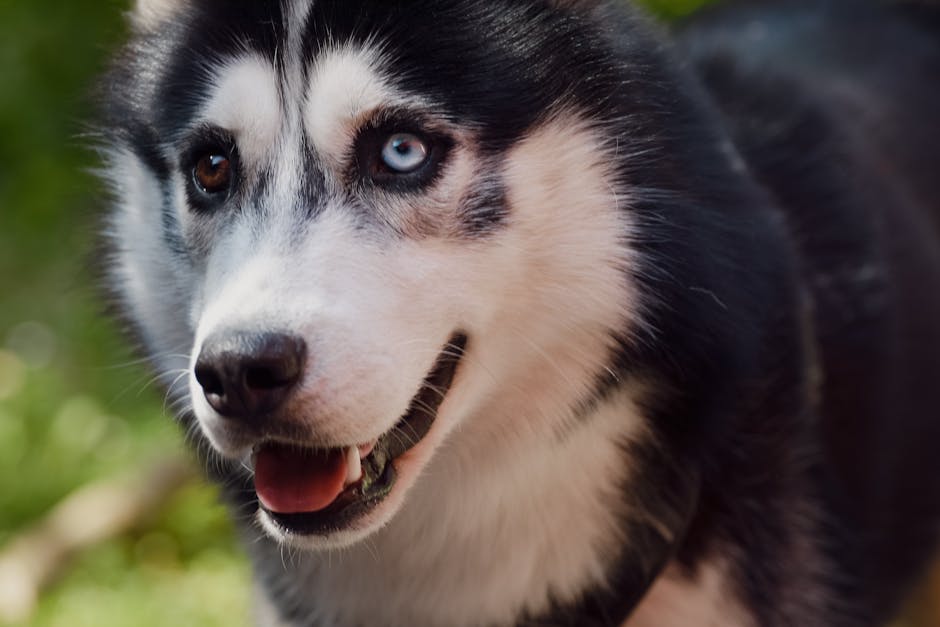
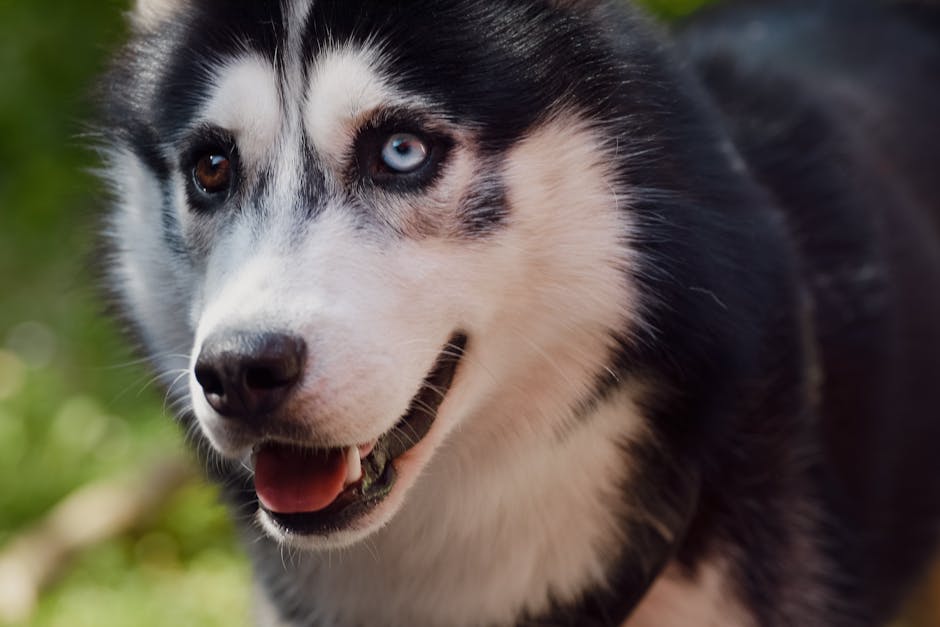
A Husky mix is a dog that has a Siberian Husky as one of its parents and another breed as the other parent. The resulting offspring can vary significantly in appearance, size, coat type, and temperament, depending on the second breed. Siberian Huskies are known for their thick double coats, erect ears, striking blue or multicolored eyes, and high energy levels. When mixed with another breed, some of these traits may be dominant, while others may recede. Husky mixes are not recognized as a breed by major kennel clubs but are beloved as family pets and working dogs.
Popular Husky Mix Breeds
Below is a table summarizing some of the most common Husky crosses, their typical size, coat, and personality hints. Each mix brings a unique combination of the Husky's energy and the other breed's characteristics.
| Mix Name | Other Breed | Typical Size | Coat & Appearance | Temperament Snapshot |
|---|---|---|---|---|
| Gerberian Shepsky | German Shepherd | Large (50-90 lbs) | Dense double coat, often black/tan, erect ears | Intelligent, loyal, protective, high energy |
| Huskamute (Alusky) | Alaskan Malamute | Large (60-100 lbs) | Thick coat, often gray/white, sturdy build | Strong-willed, friendly, needs firm leadership |
| Huskador | Labrador Retriever | Medium to large (50-80 lbs) | Short to medium coat, Lab colors with Husky marking | Playful, outgoing, trainable, great with families |
| Siberian Poodle (Husky-Poodle) | Poodle | Medium (30-60 lbs) | Curly to wavy coat, may shed less, varied colors | Smart, hypoallergenic potential, moderate energy |
| Husky Corgi (Horgi) | Pembroke Welsh Corgi | Small to medium (20-40 lbs) | Short legs, Husky colors, double coat | Stubborn, affectionate, playful, high prey drive |
| Husky Pit Bull (Pitsky) | American Pit Bull Terrier | Medium to large (40-80 lbs) | Short to medium coat, muscular, often blue eyes | Loyal, energetic, may show dog aggression |
Gerberian Shepsky (Husky x German Shepherd)
This mix is one of the most sought-after for its intelligence and striking looks. They excel in obedience and agility but require consistent training and plenty of exercise. Separation anxiety can be a concern, so they do best with active owners.
Huskamute or Alusky (Husky x Alaskan Malamute)
Bred for strength, these dogs are powerful and independent. They need a job to do and thrive in cooler climates. Their prey drive is high, making them unsuitable for households with small pets unless raised together.
Huskador (Husky x Labrador)
An energetic, people-loving mix that combines the Husky's endurance with the Labrador's eagerness to please. They are generally great with children and other dogs but need daily vigorous exercise to prevent destructive behavior.
Temperament and Personality of Husky Mixes
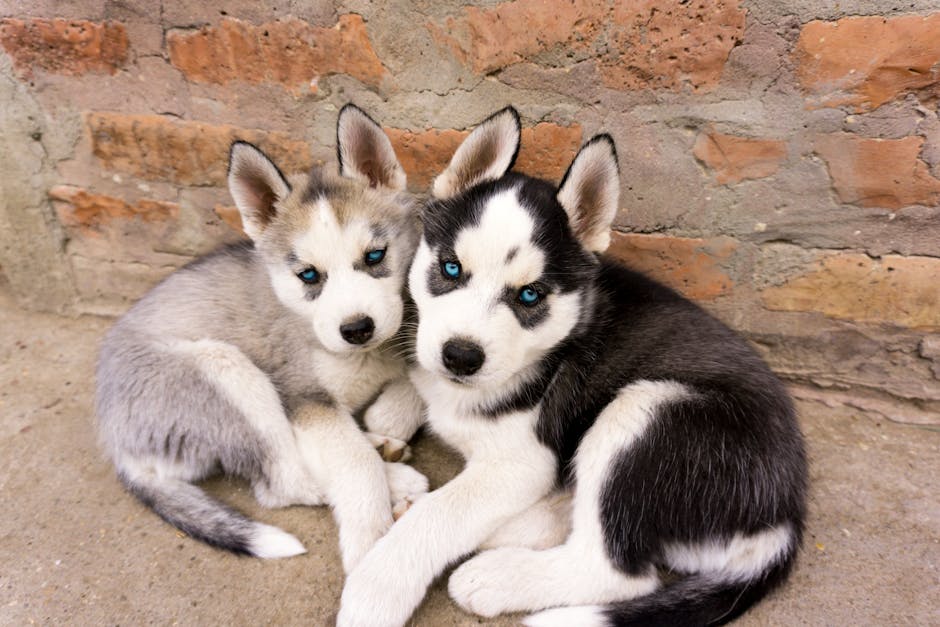
While each Husky mix is an individual, certain traits are common. Most inherit the Husky's high energy, intelligence, and independence. They can be stubborn and may challenge less experienced owners. Socialization from puppyhood is critical to temper any dominance or shyness. Many mixes are vocal, howling rather than barking. They often have a strong prey drive and may chase small animals. However, with proper training, they can be affectionate, playful, and loyal companions. The second breed can significantly influence personality: a Husky mixed with a Golden Retriever will likely be more easygoing, while a Husky mixed with a Belgian Malinois may be intensely driven.
How to Care for a Husky Mix
Proper care for a Husky mix requires understanding the needs of both parent breeds. Below we dive into exercise, grooming, and training.
Exercise Needs
Husky mixes are generally not couch potatoes. Most require at least one to two hours of daily exercise, including runs, hikes, or interactive play. They excel in dog sports like agility, canicross, or skijoring (pulling a sled). Without adequate physical and mental stimulation, they may develop destructive habits like digging or chewing.
Grooming
If your Husky mix inherits a double coat, be prepared for heavy shedding, especially during seasonal blowouts. Regular brushing (2-3 times per week) with a slicker brush and undercoat rake is essential. During shedding season, daily brushing helps manage the fur. Bathe only when necessary to preserve natural oils. Mixes with poodle-type coats may require professional grooming every 4-6 weeks. Check ears weekly for wax buildup, and trim nails regularly.
Training and Socialization
Early socialization is non-negotiable. Expose your Husky mix to various people, dogs, environments, and sounds from a young age. Use positive reinforcement methods (treats, praise, play) as they respond poorly to harsh corrections. Keep training sessions short and varied to hold their attention. Because of their independent streak, consistency and patience are key. Consider enrolling in a puppy class or working with a professional trainer.
Health Concerns in Husky Mixes
Husky mixes can inherit health issues from either parent breed. Common concerns include:
- Hip Dysplasia – common in larger mixes, especially those with German Shepherd or Labrador lineage.
- Eye Problems – cataracts, progressive retinal atrophy (PRA), and corneal dystrophy.
- Hypothyroidism – more frequent in Huskies.
- Allergies – skin allergies can affect mixes with short coats.
- Bloat (Gastric Dilatation-Volvulus) – risk increases in deep-chested mixes.
Regular vet checkups, a balanced diet, and maintaining a healthy weight can mitigate many risks. Always ask the breeder for health clearances on both parents. The average lifespan of a Husky mix ranges from 10 to 15 years, depending on size and genetics.
Is a Husky Mix Right for You?
Before adopting a Husky mix, honestly assess your lifestyle. They are best suited for active individuals or families who can commit to daily exercise and training. They may not be ideal for first-time dog owners due to their stubbornness and high energy. Apartment living is possible if you provide sufficient exercise, but a fenced yard is preferable. Also consider time for grooming and the potential for shedding. If you have small pets like cats or rabbits, careful introduction and management are necessary.
Conclusion
Husky mix breeds are captivating companions that bring together the beauty and spirit of the Siberian Husky with traits of another breed. Whether you choose a Gerberian Shepsky, a Huskador, or a more unusual cross, you’ll need to invest time in exercise, grooming, and training. The reward is a loyal, intelligent, and often entertaining partner. By understanding their unique needs, you can ensure a happy life for both you and your Husky mix.