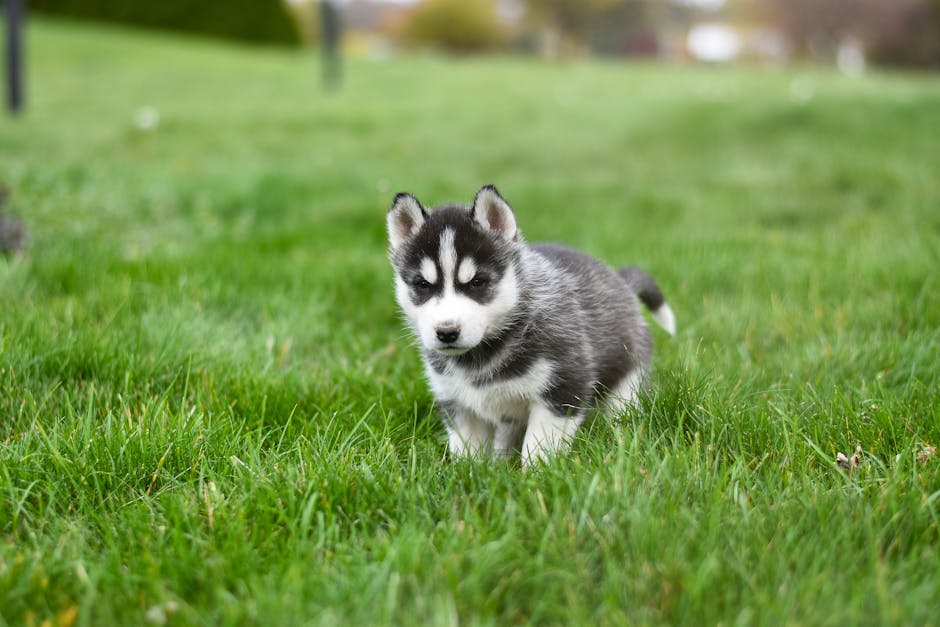
What Is an Agouti Husky?
The Agouti Husky is a striking color variation of the Siberian Husky, characterized by a unique banded or wild-type coat pattern. Unlike the more common black-and-white or gray-and-white Huskies, the Agouti Husky displays a multi-toned hair shaft with alternating bands of light and dark color, similar to the coats of wolves. This pattern is caused by the agouti signaling protein (ASIP) gene, which produces a 'wild' or sable-like appearance. Agouti Huskies are not a separate breed but a color variant recognized by many kennel clubs, including the American Kennel Club (AKC), under the standard Siberian Husky breed. Their beauty and wolf-like appearance make them highly sought after, but they come with the same energetic, intelligent, and sometimes stubborn temperament as any Husky.
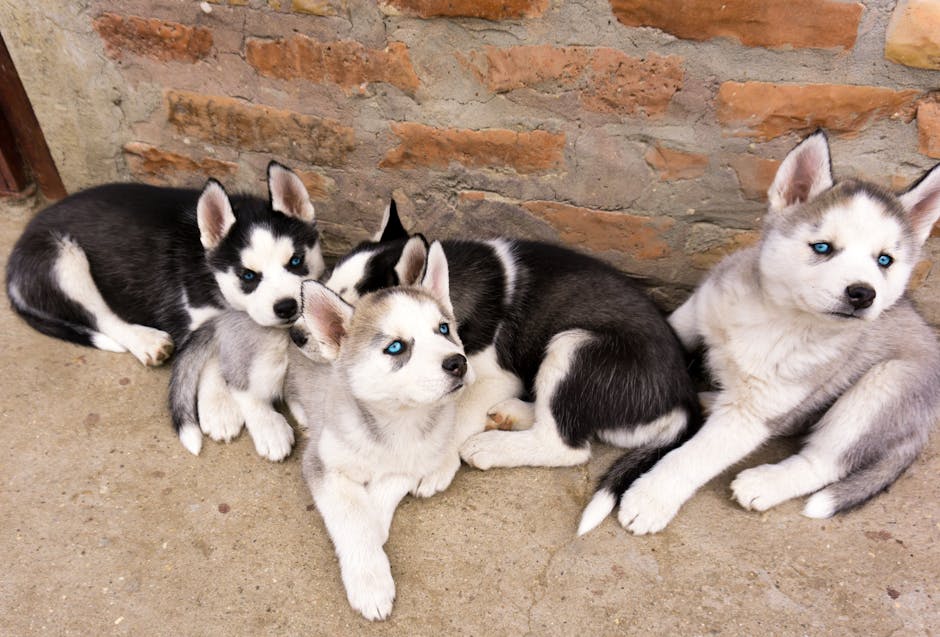
History and Origin of the Agouti Huskies
The agouti color pattern is deeply rooted in the Siberian Husky's ancestry. The breed originated with the Chukchi people of northeastern Asia, who selectively bred dogs for endurance, strength, and adaptability to harsh Arctic conditions. The original Chukchi sled dogs included many individuals with agouti or wolf-like coats because those patterns provided better camouflage in the snowy tundra. As the breed spread to other parts of the world, breeders began favoring more uniform colors like black, gray, and red, causing the agouti gene to become less common. However, thanks to dedicated breeders and the growing popularity of 'wolf-look' dogs, the Agouti Husky has experienced a revival in recent years. Today, it remains a rare but cherished color within the breed.
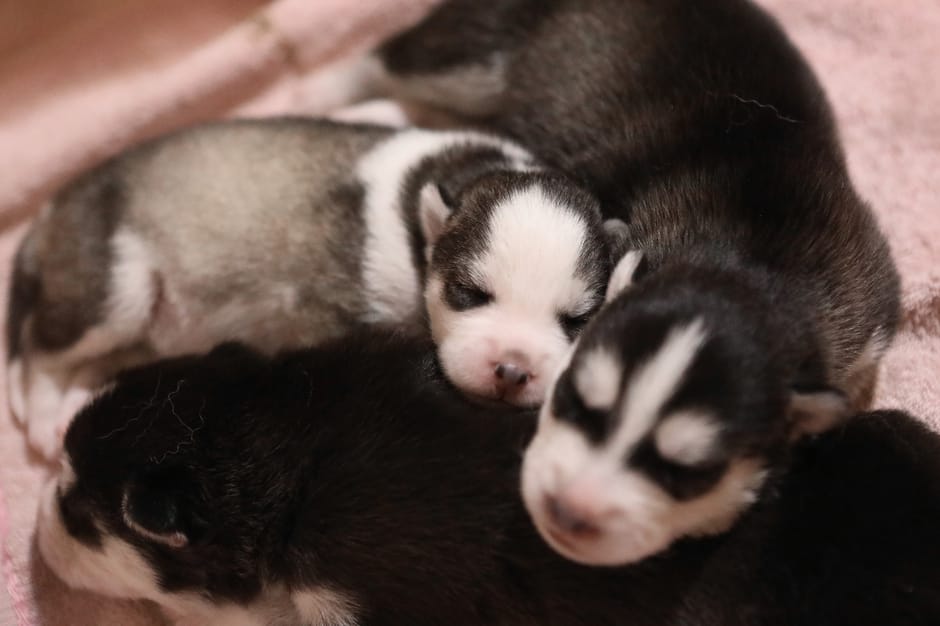
Distinctive Coat Pattern and Genetics
The agouti pattern is the result of the dominant Ay allele at the agouti locus, which controls the distribution of pigment along each hair shaft. In an Agouti Husky, each hair has alternating bands of black, yellow, and white, giving a shaggy, textured appearance. The underbelly, legs, and face are usually lighter, while the back and top of the head are darker. The mask (the facial markings) is often less defined than in typical Husky patterns, sometimes resembling a 'dirty snow' look. Unlike the sable pattern in other breeds, which can fade with age, the agouti Husky's coat remains relatively stable, though it may lighten slightly in summer. Understanding this genetics helps breeders produce healthy litters and helps owners appreciate the uniqueness of their dog's coat.
Physical Characteristics of an Agouti Husky
Beyond the coat, the Agouti Husky shares the same physical traits as any Siberian Husky. Males typically stand 21–23.5 inches tall at the shoulder and weigh 45–60 pounds; females are slightly smaller at 20–22 inches and 35–50 pounds. They have a double coat: a dense, soft undercoat and a straight, harsh outer coat. The eyes can be brown, blue, or heterochromatic (one of each). The ears are triangular and erect, set high on the head. The tail is foxlike, carried in a sickle shape when alert but often hanging down when relaxed. The overall impression is one of grace, strength, and endurance. The agouti pattern often enhances the wolf-like expression, with a narrower face and more prominent cheekbones, but it's important to remember they are still fully domesticated dogs with Husky temperament.
Temperament and Personality
Agouti Huskies have the same general temperament as any Siberian Husky: they are friendly, outgoing, intelligent, and independent. They were bred to work in packs and thus get along well with other dogs, but their prey drive can be strong around small animals like cats or rabbits. They are not typically guard dogs; they are too sociable with strangers. Huskies are known for being escape artists – they can jump fences, dig under gates, and open doors. Training an Agouti Husky requires patience and consistency because they can be stubborn. Positive reinforcement works best; harsh methods will cause them to shut down. Early socialization is critical to prevent shyness or aggression. With proper training, they make wonderful family dogs, especially for active households.
Caring for an Agouti Husky: Grooming and Maintenance
Brushing
The thick double coat sheds heavily twice a year (fall and spring). During these 'blowouts,' daily brushing is necessary to remove dead fur and prevent matting. Use an undercoat rake and a slicker brush. Outside of shedding season, weekly brushing is sufficient.
Bathing
Bathe your Agouti Husky only when needed (every 2–3 months) to avoid stripping natural oils. Their coats are self-cleaning to some degree. Use a dog-specific shampoo that won't irritate the skin.
Nail Trimming and Dental Care
Trim nails every 2–4 weeks to prevent cracking and discomfort. Brush teeth several times a week with a dog toothpaste to avoid dental problems.
Other Needs
Check ears weekly for dirt, redness, or odor. Clean with a vet-recommended solution if needed. Because Huskies are active, ensure they have a secure, fenced yard or be prepared for long daily walks.
Health Considerations for Agouti Huskies
Agouti Huskies are generally healthy, but like all purebred dogs, they are prone to certain conditions:
- Hip Dysplasia: A genetic condition where the hip joint doesn't fit correctly, leading to arthritis. Responsible breeders screen parents.
- Cataracts: Huskies can develop juvenile or adult-onset cataracts, which may lead to blindness if untreated. Regular eye exams are recommended.
- Progressive Retinal Atrophy (PRA): A degenerative eye disease that causes vision loss. Genetic testing can identify carriers.
- Autoimmune Disorders: Some lines may have hypothyroidism or von Willebrand's disease (bleeding disorder).
The average lifespan of a Siberian Husky is 12–14 years. Providing a high-quality diet, regular exercise, and routine veterinary care can help your Agouti Husky live a long, healthy life.
Training and Exercise Requirements
Huskies were bred to run – an Agouti Husky needs at least one hour of vigorous exercise daily. This can be running, hiking, biking, or playing in a secure area. Without adequate exercise, they become destructive (chewing, digging, howling). Mental stimulation is equally important: puzzle toys, obedience training, agility, or nose work keep their clever minds busy. Because of their independent nature, recall training must be solid before off-leash adventures; many Huskies never achieve reliable recall and should be kept on a leash unless in a fenced area. Crate training can help with housebreaking and preventing destructive behavior when unsupervised.
Feeding and Nutrition
Feed your Agouti Husky a high-quality dog food appropriate for their age, size, and activity level. A protein-rich diet (20-25% protein) with moderate fat (10-15%) supports their energy needs. Look for omega-3 fatty acids from fish oil to maintain coat health. Avoid overfeeding – Huskies have a tendency to become overweight if not monitored. Adult dogs typically eat 1.5 to 2.5 cups of dry kibble per day, split into two meals. Puppies need 3-4 smaller meals initially. Always provide fresh water. Consult your vet for specific recommendations, especially if your dog has food allergies (common in Huskies).
How to Find an Agouti Husky Puppy
Because the agouti color is recessive, finding a puppy may require patience. Look for reputable breeders who perform health clearances (hip, eyes, thyroid) and can show you the parents. Avoid puppy mills or pet stores; instead, visit the breeder's facility, ask to see the dam, and ensure the puppies are raised in a home environment. Rescue organizations occasionally have Agouti Huskies; adopting is a wonderful option. Be prepared for a waitlist – good breeders plan litters carefully. Prices for Agouti Husky puppies range from $800 to $2,000 depending on lineage and location. Remember: a cheaper puppy often comes from an irresponsible breeder, so invest in health and temperament.
Conclusion
The Agouti Husky is a rare and stunning variation of the Siberian Husky, prized for its wild wolf-like coat and gentle demeanor. Owning one requires understanding the breed's high energy, independent spirit, and grooming needs. With proper exercise, training, and care, an Agouti Husky can be a loyal, affectionate companion for an active individual or family. Whether you are drawn to their striking looks or their rich history, the Agouti Husky is a wonderful representation of the Siberian Husky's versatility and beauty.
| Feature | Agouti Husky | Standard Husky (Black/White) |
|---|---|---|
| Coat color pattern | Banded (wild-type) | Solid patches |
| Underbelly color | Light cream/white | White |
| Facial mask | Less defined, often 'dirty' | Clear white mask |
| Genetics | Agouti ASIP gene | Non-agouti (dominant black) |
| Popularity | Rarer | Common |
Disclaimer: This article is for informational purposes only. Always consult a veterinarian or professional dog trainer for specific advice regarding your pet.