The term "mini husky" often sparks curiosity among dog lovers who adore the Siberian Husky's striking appearance but find the standard size daunting. However, the truth behind this nickname is more nuanced than simply a smaller version of the breed. This comprehensive guide will unpack everything you need to know about so-called mini huskies, from their origins and care requirements to how they compare with similar breeds like the Alaskan Klee Kai. Whether you're considering adding one to your family or are just fascinated by these wolf-like dogs, read on for expert insights.
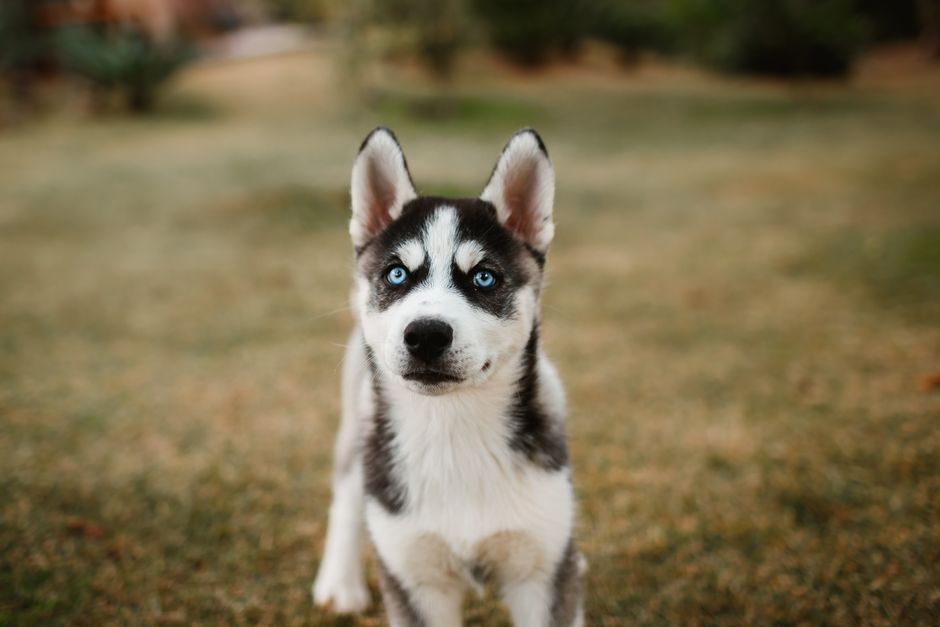
What Is a Mini Husky?
The term "mini husky" is not a recognized breed by major kennel clubs (AKC, UKC). Instead, it is a marketing label often applied to two distinct sources:
- Alaskan Klee Kai – a separate breed developed in the 1970s specifically to create a smaller, companion-sized husky lookalike. They come in toy, miniature, and standard sizes (typically 10–17 inches tall, 5–9 kg).
- Runts or poorly bred Siberian Huskies – some breeders intentionally breed for smaller size by selecting the smallest individuals, often compromising health and temperament.
Most ethical breeders and experts advise that a true "mini husky" is actually an Alaskan Klee Kai. Understanding this distinction is critical for potential owners.
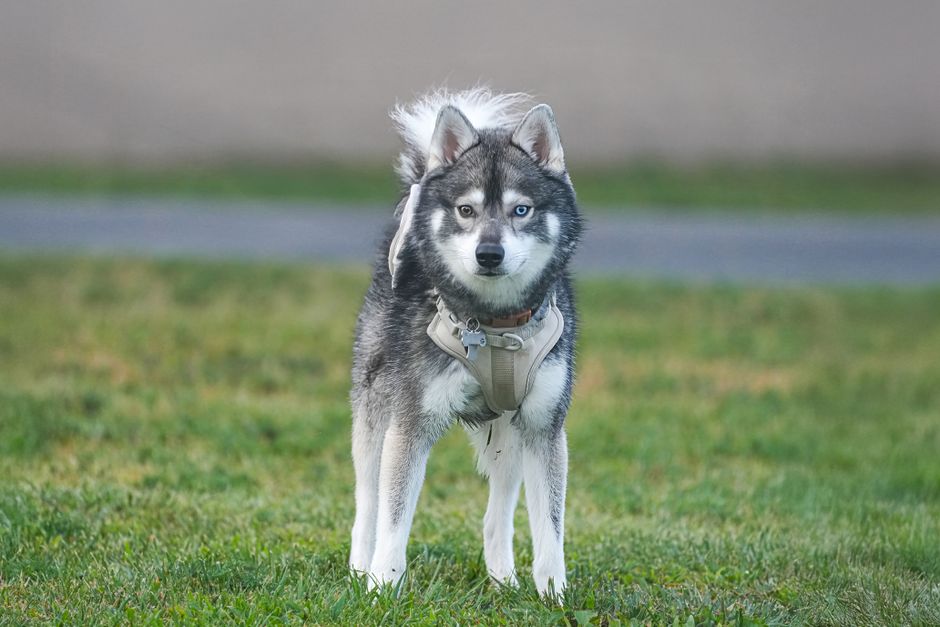
Mini Husky vs. Alaskan Klee Kai vs. Siberian Husky: A Comparison
| Trait | Mini Husky (often Alaskan Klee Kai) | Standard Siberian Husky |
|---|---|---|
| Size (height) | 10–17 inches | 20–23.5 inches |
| Weight | 4–10 kg (toy/mini), up to 14 kg (standard Klee Kai) | 16–27 kg |
| Energy Level | High | Very High |
| Barking | Moderate (less howling) | Frequent howling |
| Trainability | Smart but independent | Stubborn yet intelligent |
| Good with Children | Yes, with proper socialisation | Generally yes, but boisterous |
| Recognized Breed? | Yes (UKC, not AKC) | Yes (AKC, UKC) |
If you encounter a seller advertising a "mini husky" that is not an Alaskan Klee Kai, proceed with caution.
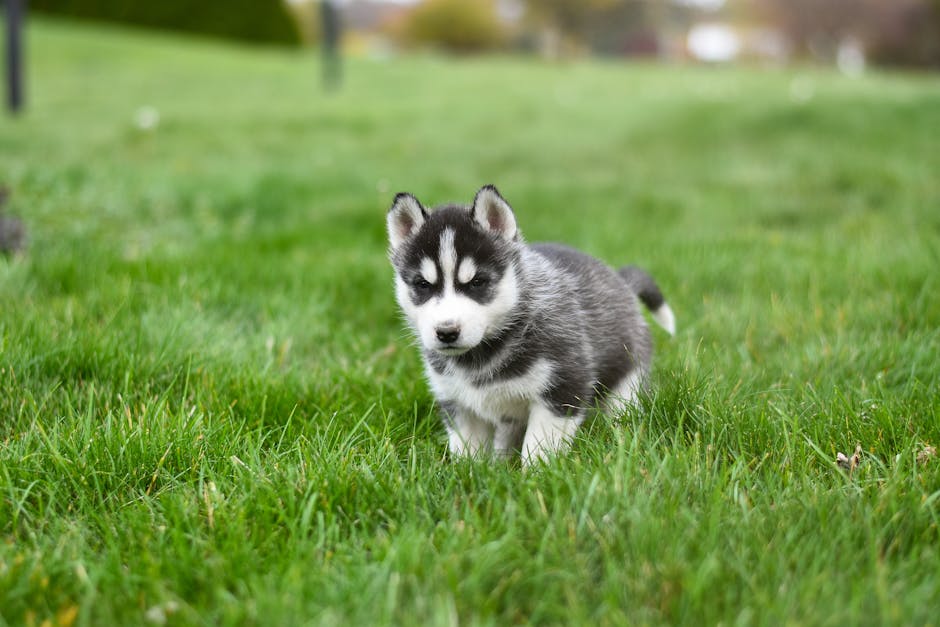
Are Mini Huskies Real?
Technically, there is no purebred Siberian Husky that is naturally miniature. Some irresponsible breeders attempt to produce smaller huskies by mixing in small breeds (like Shih Tzu, Pomeranian) or by breeding runts repeatedly. These practices can lead to serious health problems such as hip dysplasia, heart issues, and temperament instability. The only reputable way to get a husky-like dog in a small package is through an Alaskan Klee Kai breeder who follows ethical standards.
Red Flags to Watch For
- Breeders who cannot provide health clearances for the parents.
- Claims that a "mini husky" is a new or rare variety.
- Prices that are unusually high or low.
- No mention of Alaskan Klee Kai or crossbreeding.
Temperament and Personality
Whether you choose a Klee Kai or a responsibly bred small husky mix, expect a dog that is highly intelligent, alert, and energetic. These dogs bond closely with their families but can be wary of strangers. Early socialisation is important for prevent excessive shyness or reactivity. Like their larger cousins, they have a prey drive and may chase small animals. They also love to explore and may try to escape if not properly secured.
Training and Socialization
Training a mini husky type requires patience and consistency. They respond best to positive reinforcement methods such as treats, praise, and play. Avoid harsh corrections, as they can become stubborn or fearful.
Key Training Tips
- Start socialisation and obedience classes as early as 8 weeks.
- Use crate training for housebreaking and to provide a safe den.
- Practice recall daily in a secure area; their independence can override training in off-leash situations.
- Mental stimulation through puzzle toys, obedience drills, and nose work is as important as physical exercise.
Exercise Needs
Don't let the small size fool you – these dogs are high-energy working breeds at heart. Aim for at least 45–60 minutes of vigorous activity daily. This can include brisk walks, jogging, fetch, agility, or hiking. Without sufficient exercise, they may develop destructive behaviors like chewing, digging, or excessive barking.
Grooming and Shedding
The double coat of a mini husky is thick and sheds heavily twice a year (spring and autumn). During those seasons, daily brushing is mandatory. Year-round, brush 2–3 times per week to manage loose fur. Bathe only when necessary to avoid stripping natural oils. Trim nails monthly and clean ears weekly.
Health Concerns
When properly bred, a mini husky (especially an Alaskan Klee Kai) is generally healthy but can be prone to certain conditions:
- Patellar luxation (knee dislocation)
- Hip dysplasia
- Eye disorders (cataracts, PRA)
- Heart murmurs
- Thyroid issues
A responsible breeder will screen for these conditions and provide clearance certificates. Lifespan is typically 12–15 years.
Feeding and Nutrition
Feed a high-quality diet appropriate for small to medium, high-energy breeds. Divide daily portions into two meals to prevent bloat. Portion size varies by activity level, but expect about ½ to 1 cup of dry kibble per day. Avoid overfeeding, as these dogs can become obese if under-exercised. Fresh water must always be available.
Is a Mini Husky Right for You?
Before committing, evaluate your lifestyle:
- Do you have one hour daily for active exercise?
- Can you handle heavy seasonal shedding?
- Are you prepared for an independent, sometimes stubborn dog?
- Is your home secure (fenced yard, no small escape routes)?
- Do you have vet budget for possible hereditary issues?
Mini huskies are not ideal for first-time owners or those with a sedentary lifestyle. However, for active singles, couples, or families with older children, they can make loyal and entertaining companions.
How to Find a Reputable Breeder
If you decide to pursue a mini husky (Alaskan Klee Kai), follow these guidelines:
- Contact the Alaskan Klee Kai National Association for breeder referrals.
- Visit the breeder in person; meet the parents and see the environment.
- Request health clearances (OFA for hips, eyes, etc.).
- Ask about temperament testing and early socialisation.
- Expect a waitlist – ethical breeders rarely have puppies readily available.
Alternatively, consider adopting a Klee Kai from a rescue organization. Shelters sometimes have adult dogs needing homes.
, the term "mini husky" is best understood as the Alaskan Klee Kai – a distinct breed that offers the husky look in a smaller, more apartment-friendly package. By doing your research and choosing ethical sources, you can enjoy the beauty and personality of these captivating dogs while avoiding the pitfalls of poor breeding. Prepare for a high-energy, intelligent, and feisty companion that will keep you on your toes for years to come.