Huskies are known for their striking appearance, intelligence, and independent spirit. However, their strong-willed nature often translates into attention-seeking behaviors that can be challenging for owners. Whether it's incessant whining, nudging your hand, or destructive chewing, these actions are your Husky's way of saying, "Look at me!" Understanding the root causes and implementing the right strategies is important for a harmonious relationship. This guide explores why Huskies crave attention, common behaviors, and effective solutions to manage them.
Understanding Why Huskies Seek Attention
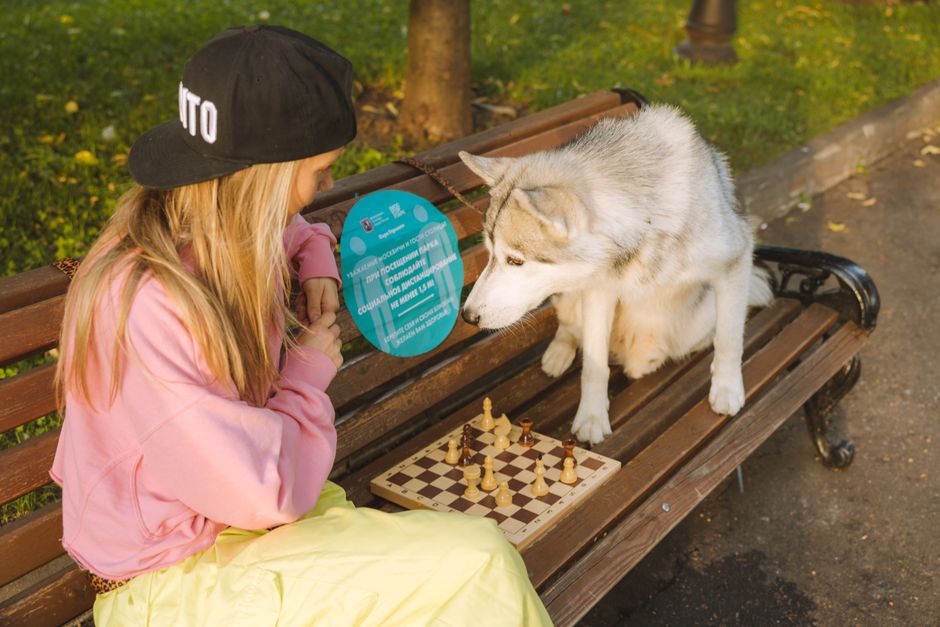
Huskies were originally bred as working dogs, pulling sleds in harsh Arctic environments. They are highly social, intelligent, and energetic. In a home setting, without adequate mental and physical stimulation, they may resort to attention-seeking behaviors to alleviate boredom or anxiety. Additionally, Huskies are pack animals; they thrive on interaction and can become distressed when left alone for long periods. Recognizing that attention-seeking is often a communication tool rather than mere misbehavior is the first step toward resolution.
Common Attention-Seeking Behaviors in Huskies
Huskies have a repertoire of antics designed to get your focus. Some of the most frequent include:
- Vocalization: Whining, barking, or howling, especially when you're busy or ignoring them.
- Physical Contact: Pawing at you, nudging your hand with their nose, or jumping up.
- Destructive Actions: Chewing furniture, digging, or stealing items to initiate a chase.
- Excessive Energy: Zoomies, pacing, or restlessness when they want playtime.
- Demand Barking: Barking directly at you until you respond.
It's important to note that some behaviors, like whining, can also signal genuine needs such as hunger or needing to go outside. Context is key.
How to Differentiate Attention Seeking from Genuine Needs
Deciphering whether your Husky is truly in need or just demanding attention requires careful observation. Consider these factors:
| Behavior | Possible Genuine Need | Likely Attention-Seeking |
|---|---|---|
| Whining at door | Needs to potty | Wants to go outside for fun |
| Pawing at bowl | Hungry or thirsty | Wants treats or food rewards |
| Bringing toy | Wants playmate | Demanding immediate play |
| Barking at you | Alerting to something | Demanding attention or treats |
If the behavior stops once you fulfill a basic need, it likely wasn't attention-seeking. However, if your Husky persists even after meeting all needs, it's probably about attention.
Effective Training Techniques to Reduce Attention Seeking
Training is crucial to teach your Husky appropriate ways to get your attention. Consistency and positive reinforcement are key.
Ignore Unwanted Behaviors
When your Husky engages in attention-seeking acts, avoid eye contact, turn away, and remain silent. Once they stop, immediately reward them with praise or a treat. This teaches that calm behavior gets attention, while noise or pawing gets none.
Teach an Alternative Behavior
Train your Husky to perform a specific action like sitting or touching a bell when they want something. For example, teach them to sit before you open the door or give them a toy. This redirects their energy into a positive cue.
Use Positive Reinforcement
Reward your Husky frequently when they are calm and not demanding attention. Use high-value treats and verbal praise. Over time, they will learn that relaxing leads to rewards.
Establish a Routine
Huskies thrive on predictability. Set regular times for feeding, walks, play, and training. A structured schedule reduces anxiety and the need to seek attention randomly.
Practice the ‘Nothing in Life is Free’ Protocol
Before giving your Husky anything—food, walks, play—ask for a simple command like sit or down. This reinforces that they must earn privileges, reducing demanding behavior.
Enrichment and Exercise: The Key to a Calm Husky
A tired Husky is a well-behaved Husky. Adequate physical and mental stimulation can dramatically cut down attention-seeking behaviors.
Physical Exercise
Huskies need at least 1–2 hours of vigorous exercise daily. This includes brisk walks, running, hiking, or dog sports like agility or canicross. Without enough outlets, they’ll invent their own (often destructive) games.
Mental Stimulation
Puzzle toys, treat-dispensing balls, hide-and-seek games, and obedience training engage their sharp minds. Scent work or teaching new tricks can also tire them out mentally, reducing the need for attention.
Interactive Play
Set aside dedicated one-on-one playtime each day. Tug-of-war, fetch, or flirt pole games satisfy their prey drive and strengthen your bond. When you initiate play, your Husky learns to wait for your invitation instead of demanding constantly.
When to Seek Professional Help
If your Husky’s attention-seeking behaviors persist despite consistent training and enrichment, or if they escalate into aggression, property destruction, or self-harm (like excessive licking), consult a professional. A certified dog behaviorist or trainer with experience in high-energy breeds can provide tailored strategies. Additionally, rule out medical issues—sometimes pain or discomfort can manifest as clinginess or restlessness.
, attention-seeking behavior in Huskies is a common but manageable issue. By understanding their needs, providing ample exercise and enrichment, and training with patience and consistency, you can foster a calm, happy dog. Remember, your Husky's antics are often their way of loving you—they just need guidance to express it appropriately.