Aggression in Siberian Huskies can be alarming, but it's important to these dogs are not inherently aggressive. With their wolf-like appearance and independent spirit, huskies often develop aggressive behaviors due to fear, lack of socialization, or misunderstandings in communication. This comprehensive guide will walk you through the root causes, early warning signs, and proven training techniques to stop aggression in your husky and build a trusting, peaceful relationship.
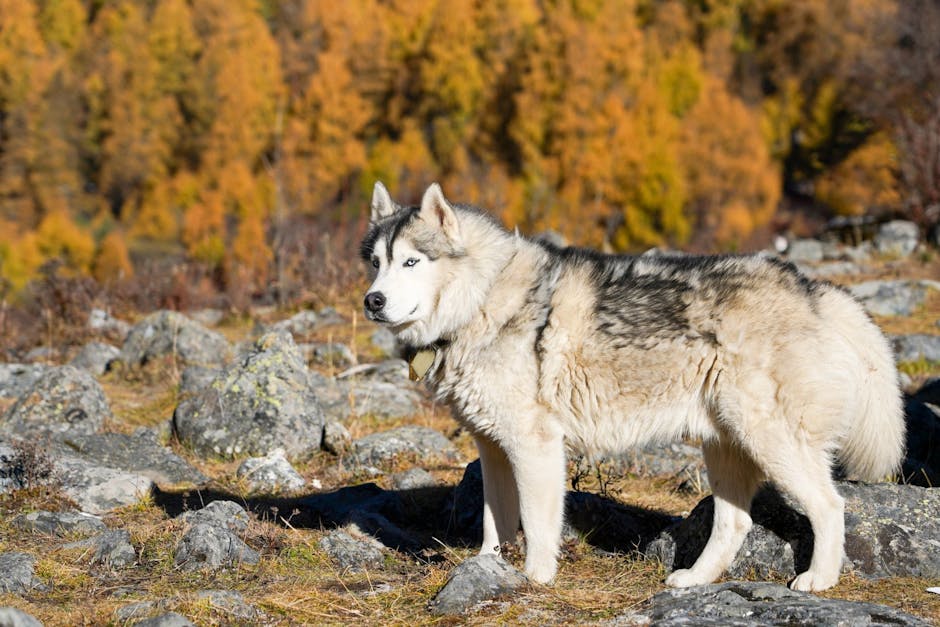
Understanding Aggression in Siberian Huskies
Before diving into training, it's crucial to understand what aggression actually means for a Siberian Husky. Huskies were bred to work cooperatively in packs, pulling sleds over long distances. They are social, energetic, and intelligent. True aggression is a behavior that aims to distance a threat, not a personality flaw. Many behaviors owners label as aggression—like growling, snapping, or stiff posturing—are actually fear, frustration, or stress signals.
Huskies can be particularly prone to resource guarding (especially food or high-value toys) and territorial barking. However, with patience and consistent training, most aggressive tendencies can be managed or eliminated.
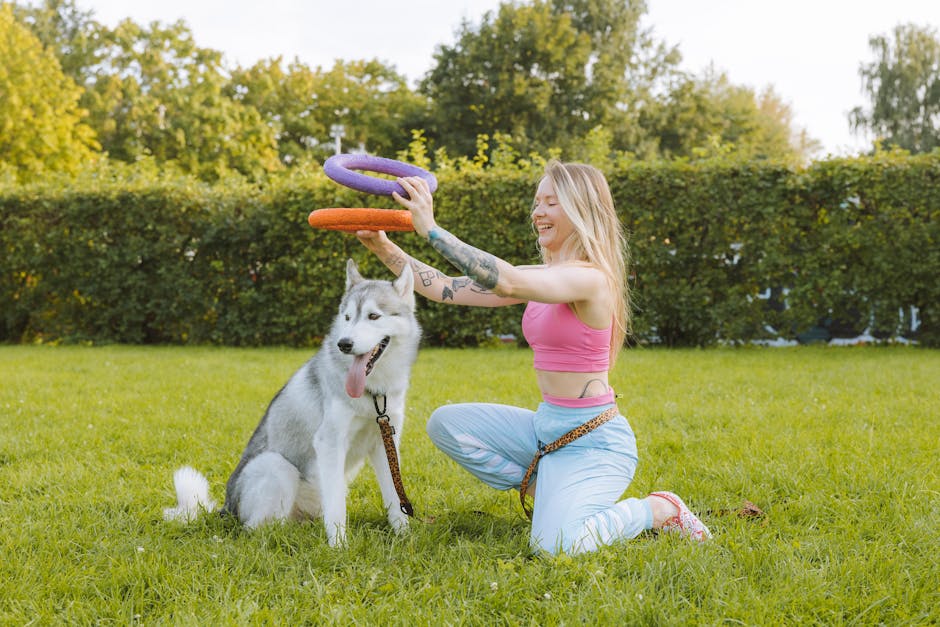
Common Causes of Aggression in Huskies
Aggression doesn't appear out of nowhere. Identifying the trigger is the first step to solving the problem. Common causes include:
- Fear: Loud noises, strange people, other dogs, or unfamiliar environments can trigger a fear-based response.
- Resource Guarding: Protecting food, treats, toys, or even a favorite resting spot.
- Territoriality: Huskies may guard their home, yard, or family members from perceived intruders.
- Pain or Illness: An underlying medical issue (hip dysplasia, dental pain, ear infections) can cause irritability.
- Lack of Socialization: Puppies not exposed to various people, animals, and environments may become fearful and reactive as adults.
- Frustration: A husky that is under-exercised, bored, or confined may redirect frustration into aggressive outbursts.
- Predatory Drift: High prey drive can cause chasing behavior that looks like aggression toward small animals.
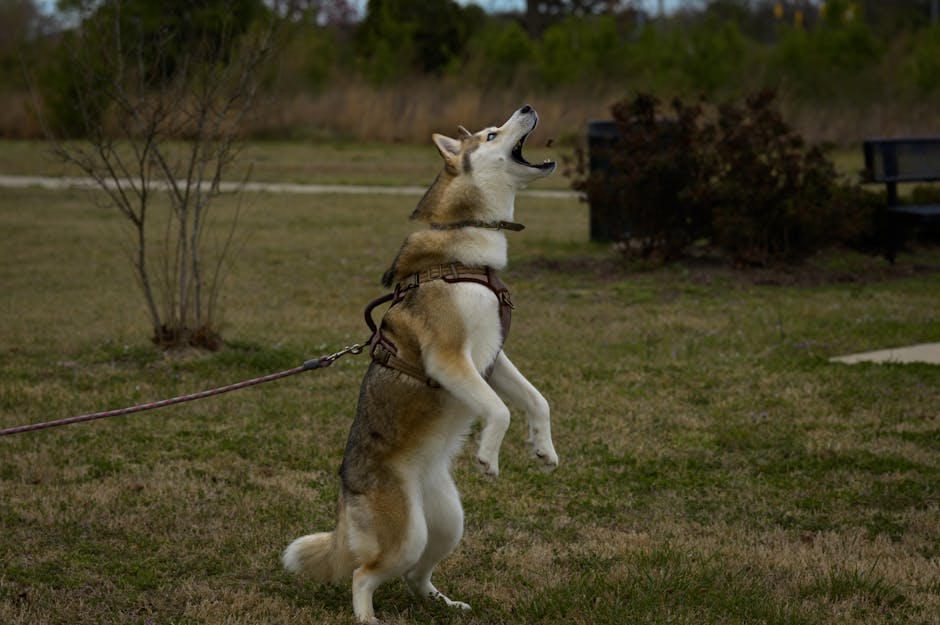
Recognizing Early Warning Signs
Huskies are expressive. Learning to read their body language can prevent escalation. Watch for these subtle and obvious signals:
- Stiff body posture – tail held high and rigid, ears forward.
- Raised hackles (hair along the back standing up).
- Growling or snarling – a clear vocal warning.
- Whale eye – showing the whites of the eyes, often when guarding.
- Lip lifting or snapping – a step before a bite.
- Freezing – the dog goes completely still, a sign of high arousal.
Intervening when you see these signs (by redirecting or removing the stressor) can prevent a full aggressive episode.
Step-by-Step Training to Stop Aggression
Establish Leadership and Trust
Aggression often stems from a lack of clear leadership. You don't need to dominate your husky—instead, be a calm, consistent leader. Set predictable routines, reward calm behavior, and avoid punishment-based methods (which increase fear). Use positive reinforcement to build trust: treat your husky for eye contact, sitting calmly, and responding to cues.
Desensitization and Counter-Conditioning
This is the gold standard for fear- or trigger-based aggression. Start with the trigger at a distance where your husky notices it but does not react. Reward with high-value treats. Gradually shorten the distance over multiple sessions. The goal is to change the emotional response from fear to anticipation of something good.
For example, if your husky growls at strangers, have a friend stand far away. As soon as your dog looks at the friend but remains quiet, click or say “yes” and give a treat. Slowly increase proximity over days or weeks.
Positive Reinforcement Techniques
Reward desired behaviors consistently. Use markers (clicker or verbal) to mark the exact moment your husky chooses a non-aggressive response. For instance, if your dog turns away from a trigger, reward immediately. This teaches self-control and builds alternative habits.
Never use punishment, yelling, or physical corrections—these often escalate aggression and damage your bond.
The 'Leave It' Command
Teaching a solid “leave it” can prevent resource guarding and unwanted reactions. Start with a treat in your closed hand. When your dog stops sniffing or licking and looks at you, say “yes” and open your hand. Then work up to items on the floor and later to triggers like another dog or a dropped steak. This gives you a safety tool in tense moments.
Controlled Socialization
If your husky is aggressive toward other dogs, arrange controlled introductions with a calm, well-mannered dog on neutral ground. Walk parallel at a distance, then gradually decrease space while rewarding calm behavior. Avoid dog parks until your husky is reliably non-reactive. A professional trainer can help with structured playdates.
When to Seek Professional Help
If your husky's aggression has resulted in bites, is becoming more frequent, or if you feel unsafe, consult a certified dog behaviorist or a trainer with experience in aggression. Medical causes should also be ruled out by a veterinarian. Professional help is especially important for:
- Severe resource guarding that cannot be managed with basic exercises.
- Aggression directed at family members.
- Any behavior that causes you or others to fear for safety.
Preventing Aggression in Husky Puppies
The best cure is prevention. Start early with husky puppies:
- Socialize extensively: Between 3 and 16 weeks, expose your puppy to several people, dogs, surfaces, and sounds in a positive way.
- Handle regularly: Touch paws, ears, mouth, and body to prevent handling sensitivity.
- Teach bite inhibition: If the puppy mouths too hard, yelp and stop play. Reinforce gentle mouthing.
- Practice resource guarding prevention: Trade low-value items for high-value treats so your puppy learns that giving up something leads to something better.
Training Methods Overview
| Method | Purpose | Example |
|---|---|---|
| Desensitization | Reduce fear response | Expose to trigger at low intensity |
| Counter-Conditioning | Change emotional reaction | Pair trigger with treats |
| Positive Reinforcement | Reward calm/non-aggressive behavior | Click and treat for looking away from trigger |
| “Leave It” Command | Self-control / impulse control | Tell “leave it” when dog focuses on a potential fight object |
| Controlled Socialization | Build positive dog-dog interactions | Parallel walking with a calm dog |
Conclusion
Stopping aggression in your Siberian Husky is not about “breaking” their spirit—it's about understanding their needs, respecting their communication, and teaching them a safer way to interact with the world. Be patient: progress may be slow, but every small step toward calm behavior is a victory. Combine training with plenty of exercise (physical and mental) to release pent-up energy. If you ever feel overwhelmed, reach out to a professional who loves huskies as much as you do. With dedication, you can transform your aggressive husky into a confident, well-adjusted companion.