Huskies are known for their distinctive vocalizations, and howling is one of their most iconic behaviors. Unlike barking, which is common in many breeds, howling is a deep-rooted instinct that serves multiple purposes. In this comprehensive guide, we will explore the reasons behind why huskies howl, from their ancestral wolf heritage to modern-day communication. Whether you’re a new husky owner or a seasoned enthusiast, understanding this behavior will help you better interpret your dog’s needs and strengthen your bond.
The Ancestral Roots: Howling is in Their DNA
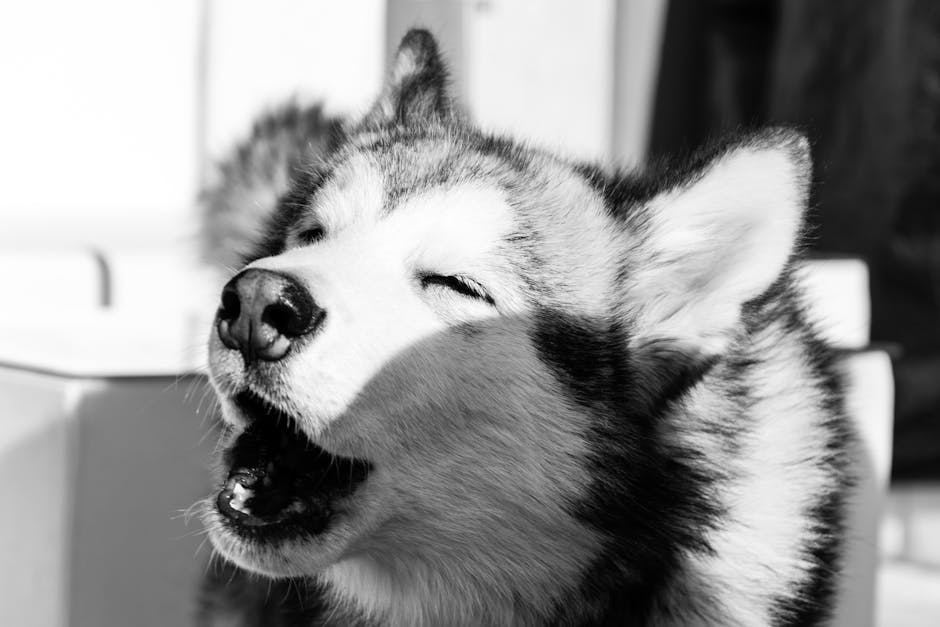
Huskies are an ancient breed, closely related to wolves. Their howling behavior is an inherited trait from their wolf ancestors. Wolves howl to communicate over long distances, gather the pack, or signal danger. Domestic huskies retain this instinct even though they live in human families. The genetic predisposition means that huskies don’t have to learn how to howl; it comes naturally. Even a puppy husky may start howling without any training.
Comparison with Other Breeds
While many dogs howl occasionally, huskies are among the top howlers along with beagles, basset hounds, and malamutes. The difference is that huskies often howl for a wider range of reasons, including social bonding, attention-seeking, and even boredom.
Common Reasons Why Huskies Howl
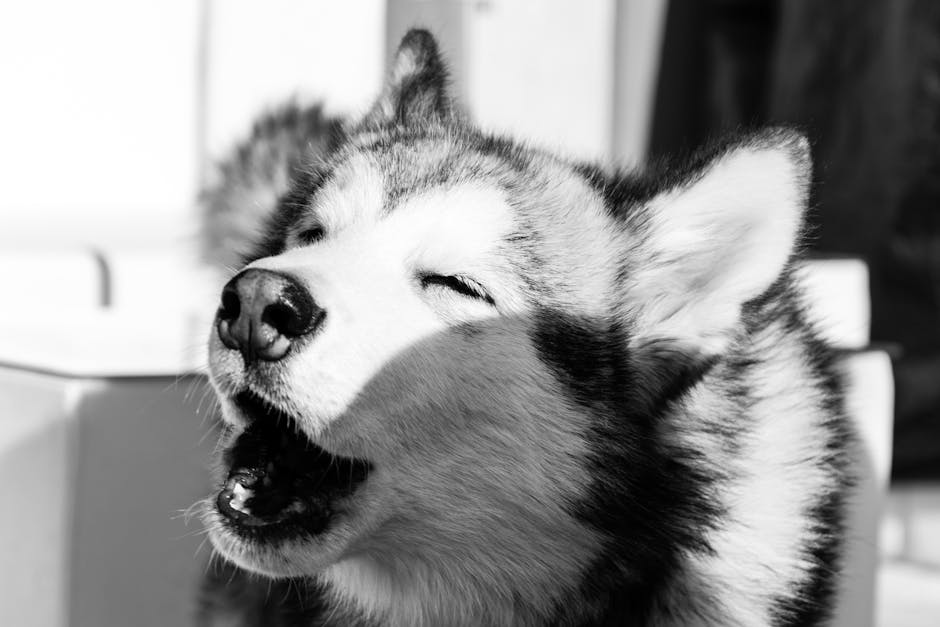
Huskies howl for a variety of reasons, and it’s important to recognize the context. Here are the most common triggers:
- Communication with other dogs: Huskies howl to greet other dogs, express location, or call a pack member.
- Response to high-pitched sounds: Sirens, musical instruments, or even a baby crying can trigger a howling response because the sound resembles a howl.
- Separation anxiety: A husky left alone for long periods may howl to express distress and attempt to summon its family back.
- Attention-seeking: If a husky learns that howling gets your attention (positive or negative), it may repeat the behavior.
- Boredom or loneliness: Huskies are energetic and social; without enough exercise or mental stimulation, they howl out of frustration.
- Excitement or play: Some huskies howl when they’re happy, such as before a walk or when greeting their owner.
- Mimicking other noises: A husky may howl when it hears a musical note, a phone ringtone, or a television sound that it associates with a howl.
Decoding the Howl: What Your Husky Is Trying to Say
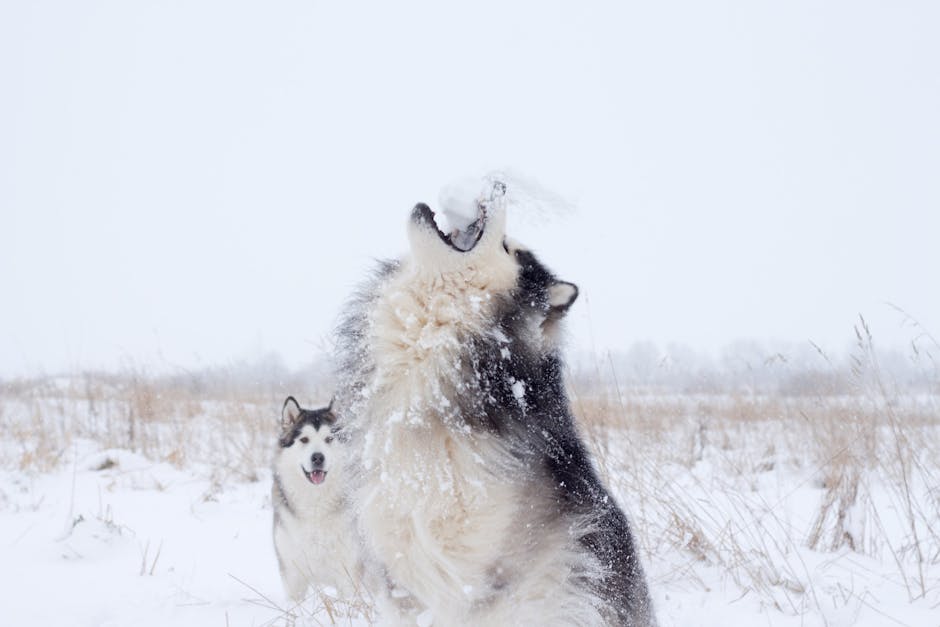
Not all howls are the same. Pay attention to pitch, duration, and frequency to understand your husky’s message.
| Type of Howl | Likely Meaning |
|---|---|
| Short, sharp howl | Alert or excitement (e.g., doorbell, visitor) |
| Long, wavering howl | Loneliness or calling for a pack member (you or another dog) |
| Low, mournful howl | Sadness, separation anxiety, or pain |
| Repetitive howling with breaks | Boredom or obsessive behavior |
| Howl that starts low and rises | Response to a high-pitched sound (siren, music) |
By observing the situation, you can often determine the cause. For example, if your husky howls every time you leave the house, separation anxiety is likely.
Is Excessive Howling a Problem?
Occasional howling is normal, but excessive or constant howling can indicate an underlying issue. Common problems include:
- Separation anxiety: If your husky howls non-stop when you’re away and you receive complaints from neighbors, professional training or behavior modification may be needed.
- Health issues: Pain, discomfort, or cognitive decline in older dogs can lead to increased vocalization.
- Environmental triggers: A new noise or stressor in the home (construction, new pet) can cause persistent howling.
If the howling is new or excessive, consult your veterinarian to rule out medical causes, and then work with a certified dog trainer if needed.
How to Manage and Reduce Unwanted Howling
While you can’t eliminate a husky’s natural instinct to howl, you can manage it to keep the peace at home and with neighbors.
Provide Adequate Exercise and Mental Stimulation
A tired husky is a quiet husky. Ensure your dog gets at least 60–90 minutes of vigorous exercise daily, plus puzzle toys, training sessions, or interactive games. Boredom is a major trigger for howling.
Desensitize to Triggers
If your husky howls at sirens or music, use desensitization: play the sound at a very low volume while offering treats, and gradually increase the volume over days or weeks. Pair the sound with positive experiences.
Train the “Quiet” Command
Teach your husky to be quiet on cue. When your dog howls, say “quiet” in a calm but firm voice. As soon as your husky stops for even a second, reward with a treat and praise. Gradually increase the duration of silence before rewarding.
Address Separation Anxiety
For howling due to separation anxiety, start with short departures (minutes) and gradually increase duration. Crate training, leaving a piece of your clothing with your scent, and providing a special toy can help. In severe cases, consult a behaviorist.
Avoid Reinforcing the Howling
If you shout at your husky to stop, you may inadvertently reinforce the behavior because the dog gets attention. Instead, ignore howling when possible and reward moments of quiet. Never punish a howl – it can increase anxiety.
When Howling Is a Good Thing
Howling isn’t always negative. Many husky owners enjoy the vocal nature of the breed. Howling can be a form of bonding, especially when you join in. Some owners and dogs have howling “conversations” that strengthen the human-animal bond. Additionally, if your husky howls in response to your singing or playing an instrument, it can be a fun interaction.
Embrace the howl as part of your husky’s unique personality, but also ensure that it doesn’t disturb your neighbors or indicate distress. With proper training and understanding, howling can become one of the many endearing traits of your Siberian Husky.
Health Considerations: Could Howling Signal a Medical Issue?
In rare cases, chronic howling may point to a medical problem. Conditions such as ear infections (which can cause hypersensitivity to sound), thyroid imbalances, or cognitive dysfunction in senior dogs can lead to increased vocalization. Always check your dog’s ears for redness or discharge, and monitor for other symptoms like lethargy, appetite loss, or disorientation. If in doubt, a veterinary checkup is warranted.
Conclusion: Understanding and Living with Your Howling Husky
Why do huskies howl? The answer lies in their ancient wolf ancestry, combined with modern-day triggers like engagement, emotion, and environment. By recognizing the different types of howls and their meanings, you can respond appropriately. Whether you’re soothing a lonely howl or laughing at a playful one, remember that this vocal behavior is a fundamental part of what makes a husky a husky. Embrace it with patience and training, and you and your husky will enjoy a harmonious relationship.