Huskies are intelligent, social, and energetic dogs that form strong bonds with their owners. However, their pack-oriented nature makes them particularly prone to separation anxiety when left alone. If your Husky exhibits destructive chewing, excessive barking, or house soiling only when you're away, they may be suffering from this condition. The good news: with consistent training and patience, you can help your Husky feel safe and calm during alone time. This guide provides seven proven strategies to train a Husky with separation anxiety.
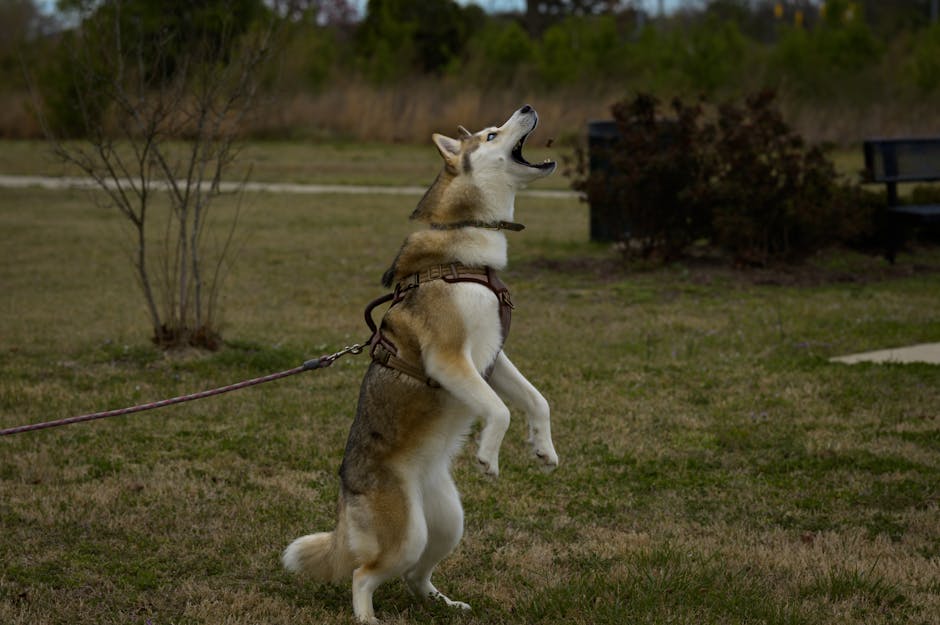
1. Establish a Consistent Routine
Huskies thrive on predictability. A fixed daily schedule for feeding, walks, playtime, and alone time can significantly reduce anxiety because your dog knows exactly what to expect. Start by setting specific times for morning and evening walks, meals, and training sessions. Keep departures and returns low-key — avoid dramatic goodbyes or excited greetings, as these can heighten your Husky's emotional response.
Consistency also extends to your pre-departure cues. If you always pick up your keys, put on shoes, or grab a jacket a few minutes before leaving, your Husky will learn to associate these actions with your departure, triggering anxiety. To break this association, perform these cues at random times without leaving. For example, jingle your keys and then sit down to watch TV. Over time, these triggers lose their predictive power, reducing anticipatory stress.
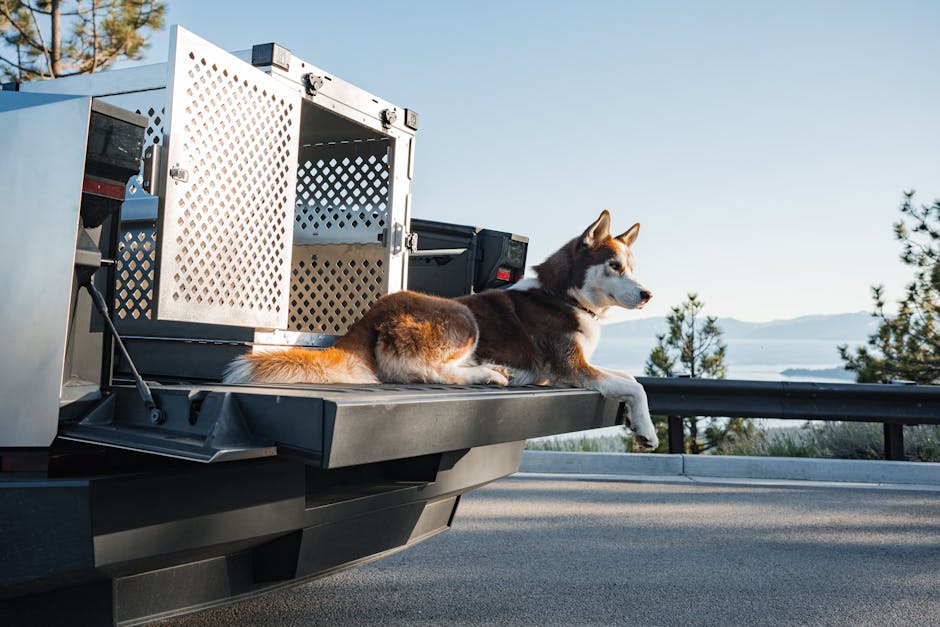
2. Practice Short Departures and Gradual Desensitization
Gradual desensitization involves leaving your Husky for very short periods and slowly increasing the duration as they remain calm. Start by stepping out the door for just 30 seconds, then return immediately. Repeat this multiple times a day, gradually extending the time to one minute, two minutes, five minutes, and so on. The goal is to show your dog that you always come back, and that being alone is not a threat.
Use a neutral cue like “I’ll be back” before each departure. During early sessions, reward your Husky with a small treat or favorite toy when you return, but only if they are quiet and relaxed. Do not make a big fuss — calm, quiet praise is best. Progress at your dog’s pace; if they show signs of stress (panting, pacing, whining), shorten the time and build more slowly. This process can take weeks or even months, but it is the foundation of overcoming separation anxiety.
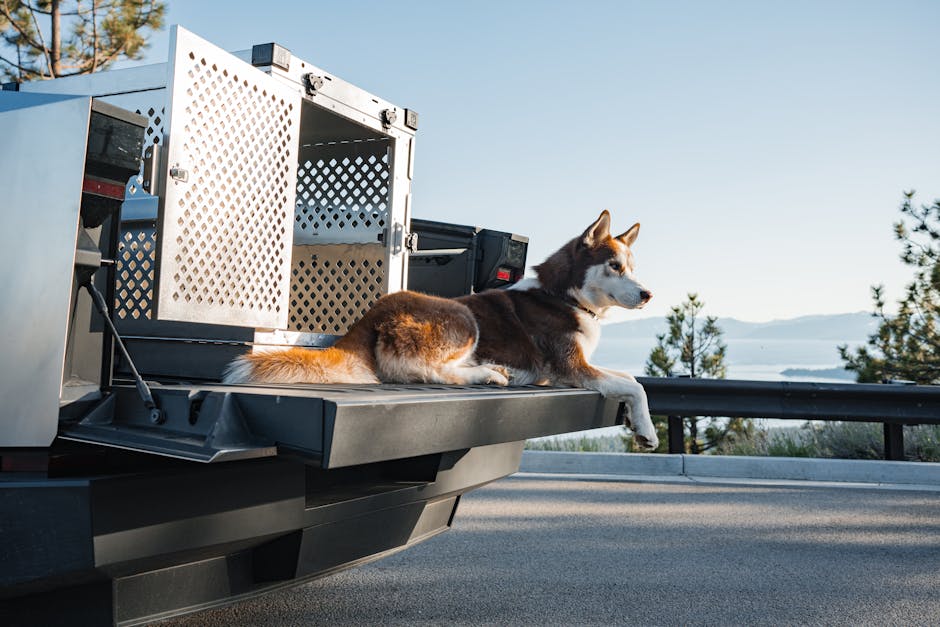
3. Create a Safe and Comforting Environment
Make your Husky’s alone time pleasant by providing a comfortable, designated space. This could be a cozy corner in the living room with their bed, a few safe chew toys, and a piece of clothing that smells like you. The scent can be very calming because it reminds them of your presence. Leave background noise such as calming music or a TV show at low volume — the sound helps mask outside noises and creates a soothing ambiance.
Consider using a pheromone diffuser (such as Adaptil) or a calming supplement recommended by your vet. These products release synthetic hormones that mimic the natural calming signals mother dogs give to their puppies. While not a cure-all, they can help lower your Husky’s overall stress level when combined with behavioral training. Remove any items that may trigger anxiety, like shoes or furniture they have previously destroyed — better to prevent the behavior than punish after the fact.
4. Use Positive Reinforcement and Reward Calm Behavior
Positive reinforcement is key to changing your Husky’s emotional response to being alone. Reward any calm, relaxed behavior — both when you are present and when you are about to leave. For example, if your Husky lies down quietly in their bed while you prepare to leave, toss a treat. The goal is to teach them that calmness leads to rewards, while anxiety does not.
Avoid punishing your dog for anxious behavior after you return. Punishment increases fear and distrust, making anxiety worse. Instead, focus on rewarding the moments of calm that occur naturally. Use high-value treats (small pieces of chicken or cheese) that your Husky only gets during training sessions. This makes the training more exciting and helps create positive associations with your departures.
5. Incorporate Mental and Physical Stimulation
A tired Husky is a calmer Husky. These dogs were bred to run for miles, so they need ample exercise every day. A long walk, jog, or play session before you leave can help burn off excess energy that might otherwise fuel anxiety. Aim for at least 45–60 minutes of vigorous activity in the morning. Follow up with a mental workout — puzzle toys, a short training session, or a frozen Kong filled with peanut butter and kibble to keep them occupied.
Interactive toys that dispense treats or require problem-solving can engage your Husky’s mind and distract them from your absence. Rotate toys to keep them novel and interesting. Remember, mental stimulation can be as tiring as physical exercise. A well-stimulated dog is more likely to rest quietly rather than obsess over your departure.
6. Consider Crate Training as a Den
Many Huskies find comfort in a crate if it is introduced properly as a safe den, not a punishment. Crate training can be especially helpful for dogs with separation anxiety because it provides a secure, enclosed space that reduces the feeling of needing to patrol the house. Start by making the crate inviting with soft bedding, a chew toy, and leaving the door open. Feed your Husky meals inside the crate and give them treats when they voluntarily enter.
Once your Husky is comfortable being inside the crate with the door closed for short periods, begin leaving the room for a few minutes. Gradually increase duration as they remain relaxed. Never use the crate as a time-out or leave your Husky crated for more than a few hours at a time. Some dogs with severe anxiety may panic in a crate, so monitor their reaction closely. If they show signs of extreme distress, such as drooling or attempting to escape, choose an alternative confinement method like a baby gate or exercise pen.
7. Seek Professional Help When Needed
If your Husky’s separation anxiety does not improve despite consistent training, or if they engage in dangerous behaviors like trying to break through windows or doors, it’s time to consult a professional. A certified dog behaviorist or a veterinarian specializing in behavior can create a tailored plan that may include medication to reduce anxiety enough for training to be effective. Medication is not a fix but a tool to help your dog reach a state where they can learn new coping skills.
Additionally, consider working with a trainer who uses force-free methods and has experience with separation anxiety. They can observe your Husky’s behavior, identify subtle stress signals, and adjust your training approach. Support groups or online communities of Husky owners can also provide encouragement and practical tips. Remember, you are not alone — separation anxiety is a common issue in the breed, and with patience and the right strategies, most Huskies can learn to be comfortable alone.