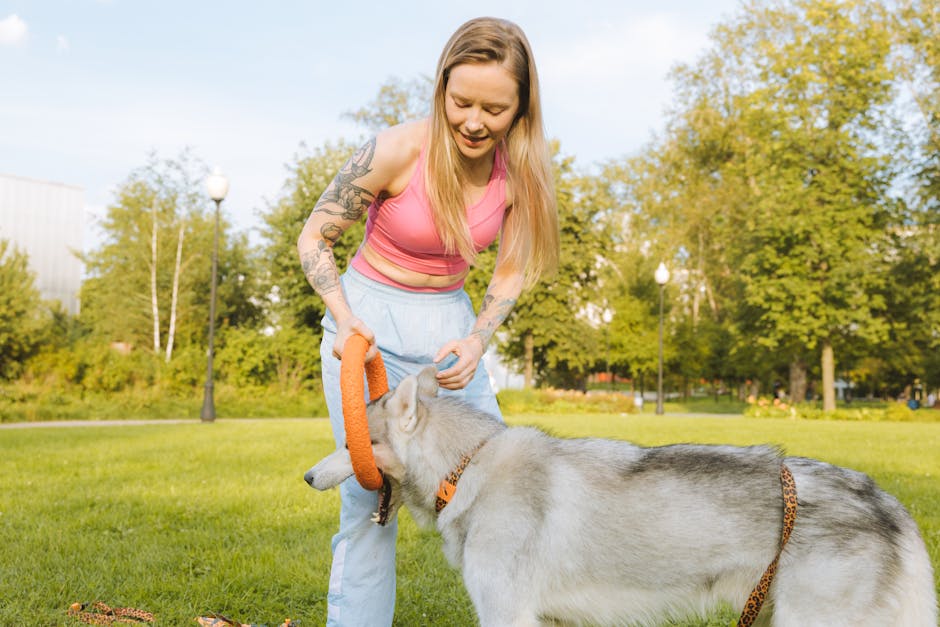
House training an adult Siberian Husky can feel like a daunting task, especially if you've adopted a rescue or rehomed a dog with unknown past habits. Unlike puppies, adult Huskies may have learned undesirable behaviors or never been properly trained at all. However, with patience, consistency, and the right techniques, even a stubborn adult Husky can become reliably housebroken. This comprehensive guide covers proven methods tailored specifically for this intelligent, independent breed.
Understanding the Adult Husky's Background
Before diving into training, it's crucial to understand why your adult Husky might not be house trained. Many adult Huskies come from shelters, rescue organizations, or previous homes where they lived outdoors, were neglected, or never received consistent training. Some may have spent long periods in crates without proper bathroom breaks. Others might be marking territory due to anxiety or lack of neutering. Identify the root cause to tailor your approach. Observe your Husky's body language—sniffing, circling, whining, or heading to the door—these are classic signs they need to go.
Setting Up for Success: Essential Supplies
Before starting, gather the right tools:
- High-value treats: Small, soft, smelly treats (e.g., freeze-dried liver, cheese) that your Husky loves.
- Crate: Sturdy, well-ventilated, large enough for your Husky to stand, turn around, and lie down comfortably, but not so big that they can eliminate in one corner and sleep in another.
- Enzymatic cleaner: Products like Nature's Miracle eliminate odors that may encourage repeat accidents.
- Leash and collar/harness: For supervised potty trips.
- Potty schedule chart: A simple notepad or app to track successes and accidents.
- Baby gates or playpen: To restrict access to other parts of the house during initial training.
The Crate Training Method for Adult Huskies
Crate training is one of the most effective ways to house train an adult Husky. This breed has a natural den instinct—they generally avoid soiling their sleeping area. Use the crate as a tool, not a punishment. Introduce it gradually with positive associations: feed meals inside, toss treats in, and keep the door open at first. Start with short confinement periods (30–60 minutes) while you are home. Never leave a Husky in a crate longer than they can physically hold it—adult Huskies can usually hold their bladder for 4–6 hours during the day, but not longer without a break. For overnight, 8 hours is possible if the dog is fully acclimated.
Important: If your Husky has been used to eliminating in a crate (common in rescues who lived in unsanitary conditions), you may need to use a smaller crate or a sectioned-off area. Alternatively, try an ex-pen (exercise pen) with a small designated potty area inside, then gradually reduce it.
Establishing a Consistent Potty Schedule
Huskies thrive on routine. A consistent schedule helps their bodies adjust and builds trust. Take your adult Husky out at the following times:
- First thing in the morning
- After every meal (15–20 minutes later)
- After drinking water
- After play sessions or exercise
- Before bedtime
- Every 2–3 hours during the day initially
Use a specific command like “Go potty” each time you go to the designated spot. Choose a consistent spot outside. Stay with them on a leash until they eliminate, then immediately reward with treats and praise. If no elimination occurs within 5–10 minutes, return indoors and try again in 15 minutes. Never punish for not going—this creates anxiety.
Using Positive Reinforcement
Positive reinforcement is the backbone of house training an adult Husky. These dogs are independent and may ignore punishment, but they respond enthusiastically to rewards. Every time your Husky eliminates outside, mark the behavior with a clicker or a word like “Yes!” then give a high-value treat and enthusiastic praise. Be generous at first—use multiple treats for a single success. Gradually phase out treats but keep verbal praise. For accidents indoors, do not scold—clean up silently with enzymatic cleaner. Punishment can cause aversion to eliminating in front of you, leading to sneaky elimination later.
Managing Accidents: Cleaning and Prevention
Accidents will happen. Clean them thoroughly with an enzymatic cleaner to break down urine proteins and eliminate odors that attract your Husky back to the same spot. Avoid ammonia-based cleaners, which smell like urine and encourage remarking. While training, supervise your Husky constantly—either keep them on a leash tethered to you, or confine them to a small dog-proofed area. Watch for warning signs: circling, sniffing the floor, whining, sudden restlessness. If you catch them in the act, interrupt with a sharp clap or “Ah-ah!” then rush them outside. If they finish outside, give a huge reward. If not, just clean up without fuss.
Troubleshooting Common Issues
Marking Behavior in Male Huskies
Unneutered males may mark vertical surfaces indoors. Neutering often reduces marking, but it may not eliminate it if it's a learned habit. Clean marked areas with enzymatic cleaner, restrict access to marked spots, and increase supervision. Use belly bands (male dog wraps) as a temporary measure. Reward your Husky for urinating on approved surfaces outside.
Submissive or Excitement Urination
Some adult Huskies, especially those from stressful backgrounds, may urinate when excited (greeting you) or when feeling submissive (when scolded). This is involuntary. Avoid punishing; it worsens the behavior. Greet your dog calmly, avoid direct eye contact, and kneel down. Redirect with a toy or treat before the excitement builds. Build confidence through positive training.
Fear-Based Accidents
If your Husky is afraid of certain sounds (thunder, fireworks) or new environments, they may lose bladder control. Work on desensitization and counter-conditioning. Provide a safe, soundproofed space with a crate covered in a blanket. Use calming aids like Adaptil pheromone diffusers or anxiety wraps. Never force them outside during a fear episode.
When to Seek Professional Help
If you've followed a consistent schedule for 2–4 weeks with no improvement, or if your Husky shows signs of a medical issue (frequent small amounts, straining, blood in urine, excessive thirst), consult a veterinarian first to rule out UTIs, diabetes, or kidney problems. If medical causes are ruled out, consider working with a certified professional dog trainer or veterinary behaviorist, especially for severe anxiety or marking issues. Many rescues offer post-adoption support.
Conclusion: Patience and Consistency Win
House training an adult Husky requires patience, consistency, and understanding of the breed's independent nature. They are not spiteful—accidents usually stem from lack of training, medical issues, or stress. By creating a solid schedule, using positive reinforcement, and managing the environment, you can successfully housebreak your adult Husky. Celebrate small victories, stay calm, and remember that every dog learns at their own pace. With time and dedication, your Husky will become a trusted indoor companion.
Sample Daily Schedule for Adult Husky House Training
| Time | Activity |
|---|---|
| 6:30 AM | Immediate potty trip |
| 7:00 AM | Breakfast |
| 7:20 AM | Potty trip after meal |
| 8:00 AM | Crate or confined area (if alone) |
| 10:00 AM | Potty break (if someone is home) |
| 12:00 PM | Lunchtime potty & play |
| 2:00 PM | Potty break |
| 5:00 PM | Potty trip after returning home |
| 6:00 PM | Dinner |
| 6:20 PM | Potty after meal |
| 9:00 PM | Final potty trip (limit water after 8:30 PM) |
| 10:30 PM | Bedtime potty & crate overnight |