Bringing home a Siberian Husky puppy is an exciting adventure, but it also comes with the responsibility of keeping your new companion healthy. One of the most critical aspects of early puppy care is parasite prevention. Parasites can cause serious health issues, from mild discomfort to life-threatening conditions. This comprehensive guide covers everything you need to know about preventing parasites in your husky puppy, including internal and external parasites, deworming schedules, flea and tick prevention, and tips for a clean environment.

Why Parasite Prevention Is Crucial for Husky Puppies
Husky puppies are particularly vulnerable to parasites because their immune systems are still developing. Common parasites like roundworms, hookworms, tapeworms, giardia, fleas, ticks, and heartworms can lead to:
- Stunted growth and poor weight gain
- Diarrhea and vomiting
- Anemia and weakness
- Skin irritations and infections
- Serious organ damage (heartworms)
- Transmission of other diseases (e.g., Lyme disease from ticks)
By following a consistent prevention plan, you can protect your husky puppy from these dangers and ensure a happy, active life.
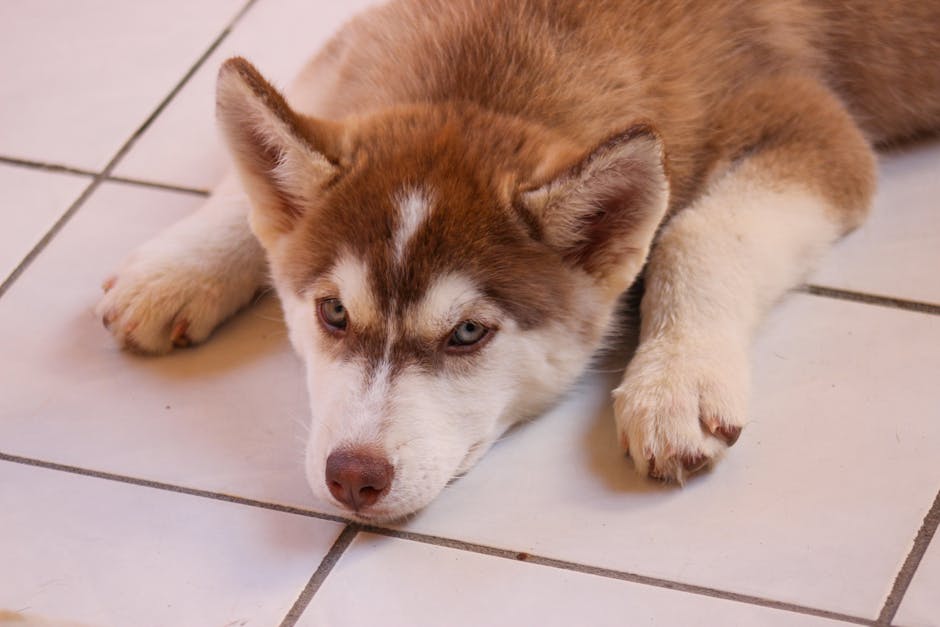
Types of Parasites That Affect Husky Puppies
Internal Parasites (Intestinal Worms and Protozoa)
These live inside the puppy's body, usually in the intestines, and can cause digestive upset and malnutrition.
- Roundworms: The most common puppy worm. Puppies can get them from their mother's milk. Symptoms include a pot-bellied appearance, poor growth, and vomiting worms.
- Hookworms: Attach to the intestinal wall and feed on blood, causing anemia and bloody diarrhea.
- Tapeworms: Often transmitted by fleas or from eating infected rodents. You may see small rice-like segments around the puppy's anus.
- Whipworms: Less common but can cause chronic colitis and weight loss.
- Giardia: A protozoan parasite that causes foul-smelling diarrhea and dehydration.
- Coccidia: Another protozoan that leads to watery diarrhea, especially in stressed puppies.
External Parasites (Fleas, Ticks, Mites)
These live on the skin or fur and can cause itching, allergic reactions, and disease transmission.
- Fleas: Cause intense itching and can lead to flea allergy dermatitis. They also carry tapeworms.
- Ticks: Attach to the skin and can transmit Lyme disease, ehrlichiosis, and anaplasmosis.
- Ear Mites: Cause dark, crumbly discharge and head shaking.
- Mange Mites (Demodex/Sarcoptes): Can cause hair loss and severe itching.
Heartworms
Heartworms are transmitted by mosquitoes. They live in the heart and lungs and can be fatal. Puppies can be infected early, so prevention is key.
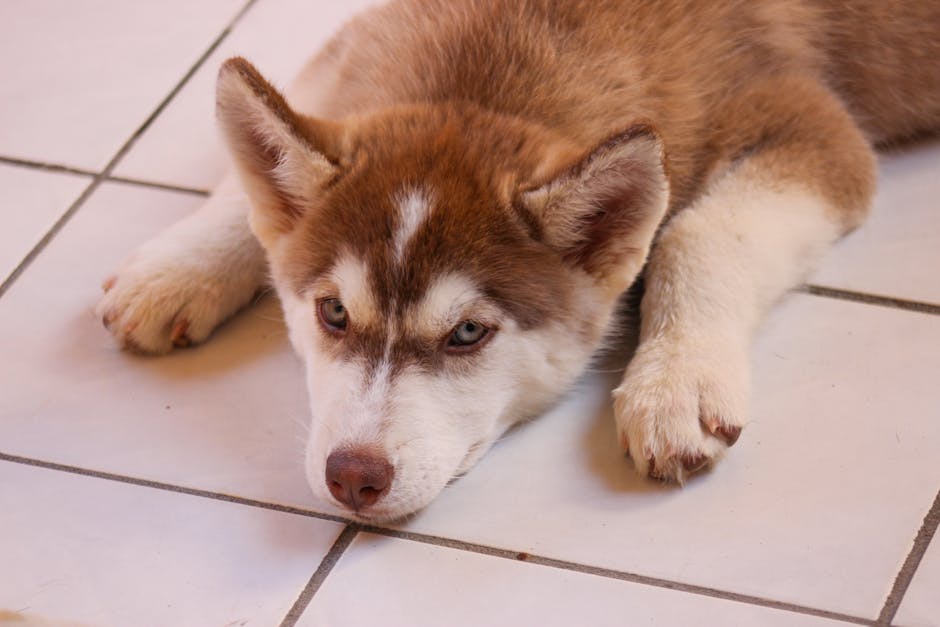
Creating a Parasite Prevention Schedule for Your Husky Puppy
A structured schedule ensures your puppy stays protected from the start. Work with your veterinarian to tailor a plan based on your location and lifestyle. Below is a typical schedule.
Deworming Schedule for Intestinal Worms
Puppies should be dewormed every 2 weeks until 12 weeks of age, then monthly until 6 months, and then every 3 months for life. Here's a table with a typical protocol:
| Age | Medication (example) | Target Parasites |
|---|---|---|
| 2 weeks | Pyrantel pamoate | Roundworms, Hookworms |
| 4 weeks | Pyrantel pamoate | Roundworms, Hookworms |
| 6 weeks | Pyrantel pamoate | Roundworms, Hookworms |
| 8 weeks | Panacur (fenbendazole) or Drontal | Roundworms, Hookworms, Tapeworms, Whipworms |
| 10 weeks | Pyrantel pamoate | Roundworms, Hookworms |
| 12 weeks | Panacur or Drontal | Broad-spectrum |
| 16 weeks | Monthly heartworm preventive + broad-spectrum dewormer | Heartworms, Roundworms, Hookworms, Tapeworms |
| 6 months and every 3 months thereafter | Veterinary-prescribed broad-spectrum dewormer | All intestinal worms |
Note: Always use products specifically approved for puppies and follow your vet's dosage instructions.
Flea and Tick Prevention
Start flea and tick prevention as early as 8 weeks of age (depending on the product). Options include:
- Topical treatments: Applied to the skin between the shoulder blades once a month.
- Oral medications: Chewable tablets given monthly (e.g., NexGard, Bravecto).
- Collars: Some last up to 8 months (e.g., Seresto).
- Sprays and shampoos: For immediate relief during outbreaks.
Huskies have a thick double coat, so ensure the product reaches the skin. Consult your vet before using any combination of products.
Heartworm Prevention
Heartworm prevention should start as early as 6–8 weeks, but a heartworm test is recommended at 6–7 months before starting preventive medication. Most heartworm preventives also protect against some intestinal worms. Options include:
- Monthly oral chewables (Heartgard, Interceptor)
- Monthly topical (Revolution)
- Injectable (ProHeart 6 or 12 given by your vet every 6 or 12 months)
Practical Tips for Preventing Parasites at Home
Maintain a Clean Environment
- Pick up feces from your yard daily to prevent reinfection.
- Wash your puppy's bedding weekly in hot water.
- Vacuum carpets and furniture regularly to remove flea eggs and larvae.
- Keep grass trimmed and remove standing water where mosquitoes breed.
Practice Good Hygiene
- Wash your hands after handling your puppy or cleaning up after them.
- Don't let your puppy eat raw meat or scavenge outdoors.
- Keep your puppy away from areas with high parasite exposure (e.g., dog parks with poor sanitation, known tick habitats).
Feed a Healthy Diet
A strong immune system helps fight off parasites. Feed a high-quality puppy food formulated for large breeds (Siberian Huskies are medium-large). Add probiotics and omega-3 fatty acids as recommended by your vet.
Regular Veterinary Checkups
Your vet will perform fecal exams to check for intestinal parasites (at least 2-4 times in the first year). They will also test for heartworms and perform a physical exam to spot external parasites.
Natural and Complementary Approaches
Some owners prefer natural prevention methods alongside conventional ones. While these can support overall health, they should not replace vet-approved preventives. Examples include:
- Diatomaceous earth (food grade) – can help control fleas in the environment.
- Coconut oil – applied topically may repel fleas, but effectiveness varies.
- Apple cider vinegar – diluted spray may deter fleas, but not a reliable preventive.
- Garlic – NOT RECOMMENDED for dogs; it can be toxic.
Always consult your vet before trying natural remedies, as some can be harmful or interfere with prescribed medications.
Common Myths About Parasite Prevention
- Myth: My husky stays indoors, so they don't need prevention.
Fact: Parasites can enter your home on shoes, clothing, or other pets. - Myth: I only need to deworm if I see worms.
Fact: Many worms are invisible to the naked eye. Regular deworming is needed even without symptoms. - Myth: Natural products are safer and just as effective.
Fact: Many natural products lack scientific proof of efficacy and may not prevent serious diseases like heartworm. - Myth: I can skip winter months for flea/tick prevention.
Fact: In many regions, fleas and ticks survive year-round indoors.
When to Call the Vet
Contact your veterinarian if you notice any of these signs:
- Visible worms in stool or vomit
- Diarrhea lasting more than 24 hours
- Lethargy or decreased appetite
- Excessive scratching, hair loss, or skin redness
- Swollen abdomen (pot belly)
- Coughing or difficulty breathing (possible heartworm)
Conclusion
Parasite prevention is a lifelong commitment, but it starts with a solid plan for your husky puppy. By combining veterinary care, routine deworming, flea/tick/heartworm prevention, and a clean environment, you can keep your puppy healthy and happy. Remember, every husky is different, so work closely with your vet to customize a prevention program that fits your puppy's needs. Start today and give your husky the best start in life!
Recommended Products for Your Husky
As an Amazon Associate, we earn from qualifying purchases. Learn more.
- Puppy Starter Kit — Check price on Amazon
- Puppy Crate — Check price on Amazon
- Puppy Toys — Check price on Amazon
Frequently Asked Questions
When should I spay or neuter?
Many vets suggest 6–12 months for Huskies to protect joint and hormone development. Discuss timing with your vet.
What should I buy before a Husky puppy?
A crate, chew toys, a harness (not a collar for pulling), a groomer-grade brush, and puppy food. Skip the tiny water bowl — they grow fast.
How do I housebreak a Husky puppy?
Take them out every hour, after meals, and on waking; reward immediately. Crate overnight so they won't soil their den.
Editor's Note
We've recommended early socialization classes to every husky puppy owner we work with. The pack-oriented ones who learned dog language young handle the dog park calmly; the isolated ones arrive reactive and stressed.
Sources & Further Reading
HuskySpot researches each topic against recognized breed and veterinary authorities. The following organizations inform our content: