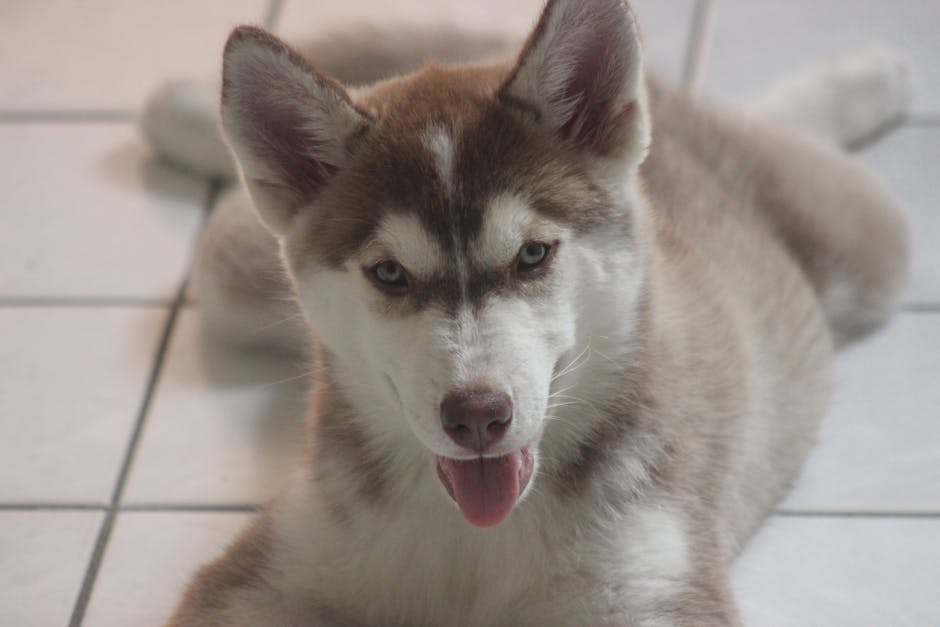
Introduction to Husky Puppy Nutrition
Bringing home a Siberian Husky puppy is an exciting journey, but it comes with the responsibility of providing the right nutrition. Husky puppies have unique dietary needs due to their high energy levels, rapid growth rate, and predisposition to certain health issues. Choosing the correct food not only supports healthy development but also prevents obesity, joint problems, and digestive sensitivities. In this comprehensive guide, we’ll walk you through everything you need to know about husky puppy food recommendations—from essential nutrients to feeding schedules and top brand choices.
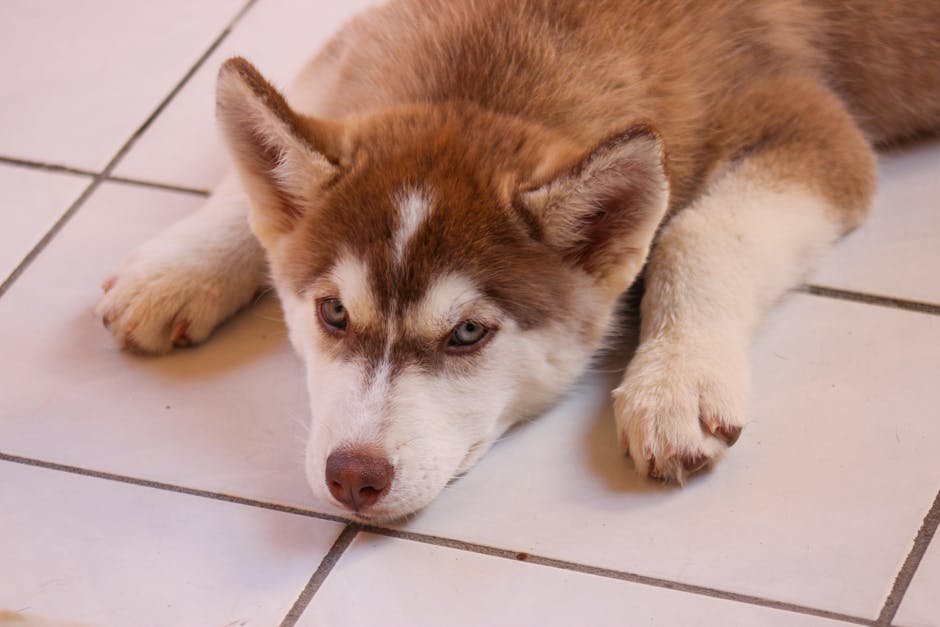
Understanding a Husky Puppy’s Nutritional Requirements
Siberian Huskies are an ancient breed bred for endurance and cold climates. Their metabolism differs from many other dogs, and as puppies, they require a balanced diet rich in protein, fats, vitamins, and minerals. Here are the key nutrients to look for:
- High-quality protein (from chicken, fish, lamb, or beef) – supports muscle development and energy. Look for 30-40% protein content in dry matter.
- Healthy fats (omega-3 and omega-6 fatty acids) – promote a shiny coat, healthy skin, and brain development. Aim for 15-20% fat.
- Complex carbohydrates (sweet potatoes, brown rice, oats) – provide steady energy without spikes in blood sugar.
- Calcium and phosphorus – crucial for bone growth; balance is important for avoid skeletal deformities.
- DHA (docosahexaenoic acid) – supports cognitive and visual development. Often found in fish oil or salmon meal.
- Prebiotics and probiotics – aid digestion and strengthen the immune system.
Husky puppies are prone to zinc deficiency, which can cause skin and coat problems. Ensure the food contains added zinc chelate or zinc proteinate.
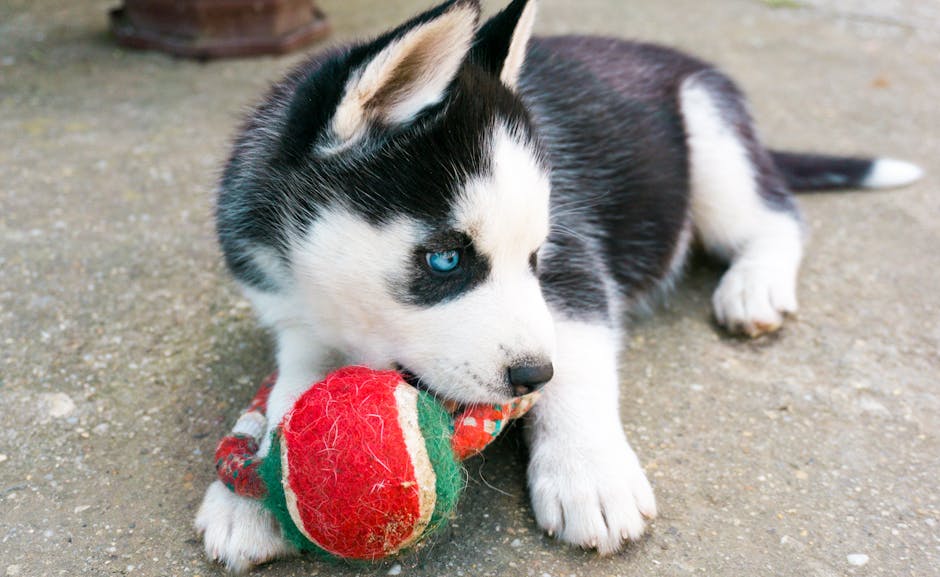
Types of Husky Puppy Food: Kibble, Wet, Raw, and Home-Cooked
Dry Kibble (Most Convenient)
High-quality dry kibble is the most popular choice because it’s balanced, convenient, and helps clean teeth. Look for brands that list a specific protein source as the first ingredient and avoid fillers like corn, wheat, and soy. Kibble should be size-appropriate for small mouths to prevent choking.
Wet or Canned Food
Wet food has higher moisture content, which can help with hydration and is often more palatable. However, it is stickier and can contribute to dental issues if not supplemented with chews. Many owners feed a mix of wet and dry.
Raw Diets (Biologically Appropriate Raw Food – BARF)
A raw diet mimics what Huskies would eat in the wild. It typically includes raw meat, bones, organs, vegetables, and fruits. While some owners see great results, raw feeding requires careful balancing to avoid nutritional deficiencies and bacterial contamination. Consult a veterinary nutritionist before starting a raw diet.
Home-Cooked Meals
Home-cooked food allows you to control ingredients and cater to allergies. However, it’s time-consuming and easy to miss essential nutrients. If you choose this route, work with a vet to create a complete recipe.
Top Recommended Commercial Husky Puppy Foods
Below is a table comparing some of the best-rated commercial puppy foods for Siberian Huskies. Always choose a formula labeled for “large breed” or “all life stages” with appropriate calcium levels for large-breed puppies (Huskies are medium-large).
| Brand | Key Features | Protein % | Fat % | Best For |
|---|---|---|---|---|
| Orijen Puppy Original | Biologically appropriate, high meat inclusion, fresh regional ingredients | 38% | 20% | Active puppies with high energy |
| Acana Puppy & Junior | Whole prey ratios, limited carbs, rich in DHA | 33% | 17% | All-around balanced growth |
| Wellness Complete Health Large Breed Puppy | Glucosamine & chondroitin, probiotics, DHA | 30% | 14% | Joint health and digestion |
| Blue Buffalo Life Protection Puppy Large Breed | LifeSource Bits (antioxidants), deboned chicken | 26% | 15% | Sensitive stomachs |
| Taste of the Wild High Prairie Puppy | Bison & venison, novel proteins, roasted bison | 32% | 18% | Allergies to chicken/beef |
| Hill’s Science Diet Large Breed Puppy | Clinically proven antioxidants, balanced minerals | 25% | 13% | Vet-recommended, consistent quality |
When selecting a food, also consider your puppy’s specific needs: activity level, allergies, and whether they will be spayed/neutered early (which may slow metabolism).
Feeding Schedule and Portion Control for Husky Puppies
Husky puppies grow rapidly, so an erratic feeding schedule can lead to overeating or undernutrition. Use this general guideline (adjust based on food label and vet advice):
- 8–12 weeks old: 3–4 meals per day (morning, midday, afternoon, early evening).
- 3–6 months: 3 meals per day (breakfast, lunch, dinner).
- 6–12 months: 2 meals per day (breakfast and dinner).
- After 12 months: Transition to adult food (still 2 meals daily).
Portion sizes depend on the food’s caloric density. A typical 8-week-old Husky (5–7 lbs) eats about 1/2 cup of dry food per meal. By 6 months (25–35 lbs), portions increase to 1–1.5 cups per meal. Use a kitchen scale to measure accurately, and adjust if your puppy becomes too thin or too heavy. Huskies are prone to obesity if overfed, so keep them lean to protect joints.
How to Transition Your Husky Puppy to a New Food
Sudden dietary changes can cause diarrhea and upset stomachs. Always transition over 7–10 days:
- Days 1–3: 75% old food + 25% new food
- Days 4–6: 50% old food + 50% new food
- Days 7–9: 25% old food + 75% new food
- Day 10: 100% new food
Monitor your puppy’s stool consistency. If diarrhea occurs, slow down the transition. Add a probiotic supplement like FortiFlora to ease digestion.
Foods to Avoid for Husky Puppies
Some human foods and low-quality ingredients can harm your puppy. Never feed:
- Chocolate, grapes, raisins, onions, garlic, macadamia nuts
- Xylitol (artificial sweetener found in some peanut butters and gums)
- Cooked bones (can splinter); raw bones are okay under supervision
- High-fat table scraps (can trigger pancreatitis)
- Dairy (many Huskies are lactose intolerant)
- Foods with artificial preservatives like BHA, BHT, or ethoxyquin
Common Mistakes When Feeding a Husky Puppy
- Overfeeding treats: Treats should make up no more than 10% of daily calories. Use small training treats.
- Free-feeding: Leaving food out all day encourages overeating and reduces food motivation for training.
- Ignoring growth rate: Husky puppies should gain weight steadily but not too fast. Check rib coverage: you should feel ribs with a slight fat layer.
- Inconsistent meal times: Huskies thrive on routine; set fixed meal times.
- Choosing a food with too much grain: While not all grains are bad, excessive corn or wheat may cause allergies.
Supplements for Husky Puppies
Most quality commercial foods are complete, but some puppies benefit from targeted supplements:
- Fish oil: Extra omega-3s for coat and brain health.
- Probiotics: Especially during transitions or if prone to soft stool.
- Joint support: Glucosamine and chondroitin are helpful for large-breed puppies to prevent hip dysplasia.
- Zinc: If your Husky shows signs of zinc deficiency (crusty nose, dry skin), a vet can recommend a supplement.
Always consult your veterinarian before adding supplements; excess of some nutrients (like calcium) can be harmful.
Conclusion: Setting Your Husky Puppy Up for a Healthy Life
Selecting the right husky puppy food is one of the most important decisions you’ll make. Prioritize high-quality protein, balanced fats, and DHA. Choose a reputable brand that meets AAFCO standards for growth. Follow a consistent feeding schedule, measure portions, and adjust as your puppy grows. By giving your Husky puppy optimal nutrition, you’ll help them develop strong bones, a gleaming coat, and boundless energy for years of adventures together.
Remember, every puppy is unique. Monitor body condition, energy levels, and stool quality. If you have concerns, consult your veterinarian. With the right food and love, your Husky puppy will thrive!
Recommended Products for Your Husky
As an Amazon Associate, we earn from qualifying purchases. Learn more.
- Premium Husky Food — Check price on Amazon
- Grain-Free Kibble — Check price on Amazon
- High-Protein Food — Check price on Amazon
Frequently Asked Questions
What should I feed a Husky puppy?
A large-breed puppy formula with controlled calcium supports steady growth and lowers dysplasia risk.
When should I spay or neuter?
Many vets suggest 6–12 months for Huskies to protect joint and hormone development. Discuss timing with your vet.
What should I buy before a Husky puppy?
A crate, chew toys, a harness (not a collar for pulling), a groomer-grade brush, and puppy food. Skip the tiny water bowl — they grow fast.
Editor's Note
One pattern we track: adolescent regression around the first birthday. Training that was solid at eleven months falls apart at thirteen. We warn owners to hold the line, not relax it, and the rough patch passes faster.
Sources & Further Reading
HuskySpot researches each topic against recognized breed and veterinary authorities. The following organizations inform our content: