Why Vaccinations Are Crucial for Your Husky
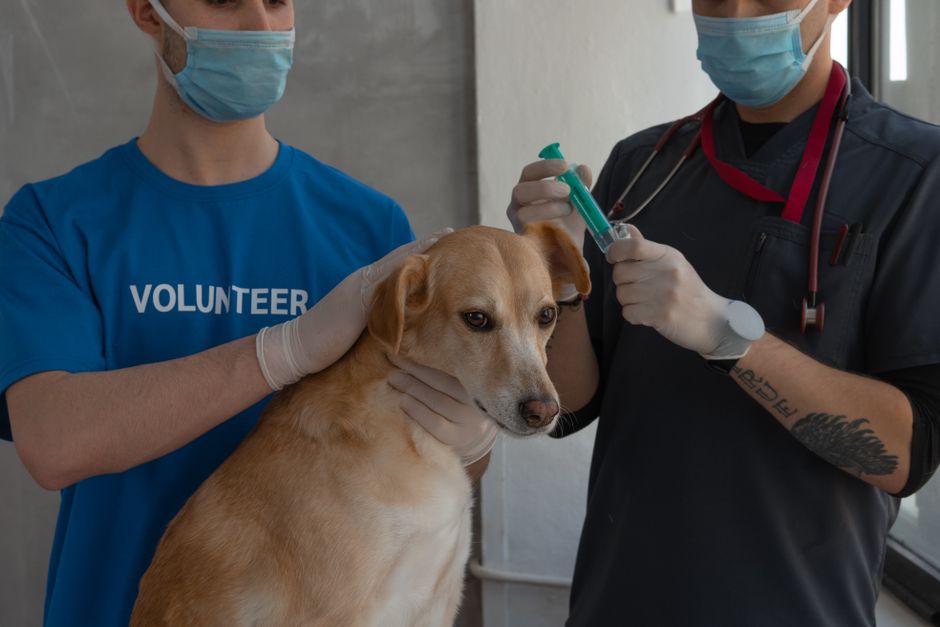
Vaccinations are a cornerstone of preventive healthcare for Siberian Huskies. They protect against highly contagious and potentially fatal diseases. A proper vaccine schedule ensures your husky develops strong immunity during puppyhood and maintains it throughout adulthood. This guide provides a detailed timeline, explains core vs. non-core vaccines, and offers practical tips for keeping your husky healthy.
Core Vaccines Every Husky Needs
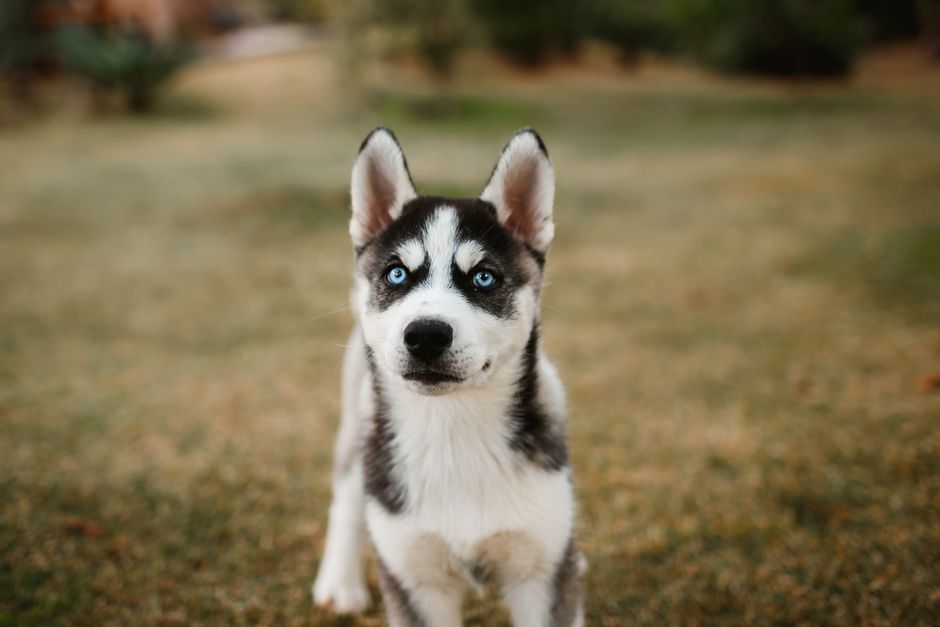
Core vaccines are recommended for all dogs regardless of lifestyle. For huskies, the essential core vaccines include:
- Distemper – a viral disease affecting respiratory, gastrointestinal, and nervous systems.
- Adenovirus (Canine Hepatitis) – targets the liver, kidneys, and eyes.
- Parvovirus – a highly contagious virus causing severe vomiting and diarrhea.
- Rabies – a fatal zoonotic disease required by law in most regions.
Non-Core Vaccines: When Are They Needed?
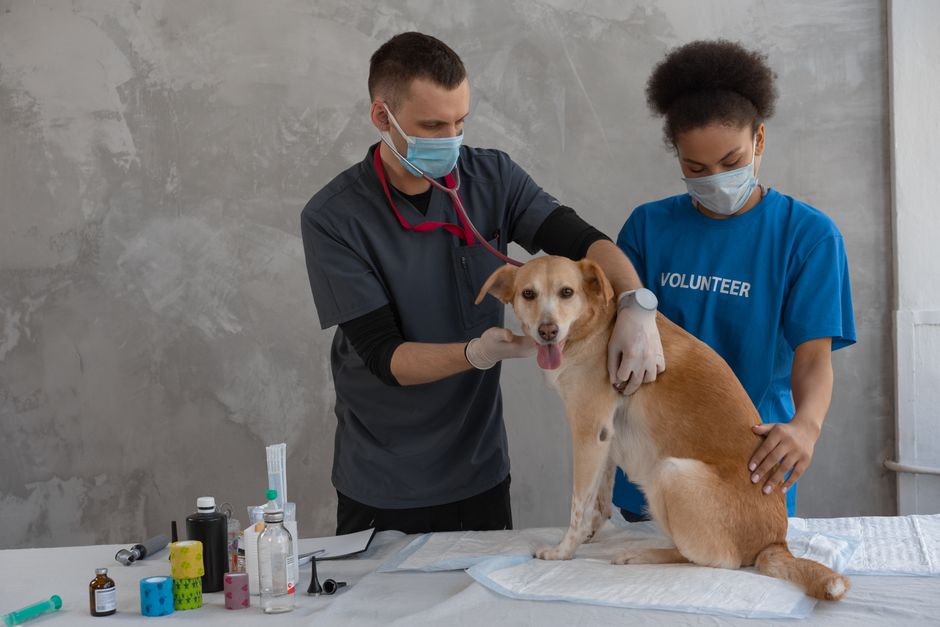
Non-core vaccines are given based on geographic location, lifestyle, and exposure risk. Common non-core vaccines for huskies include:
- Bordetella bronchiseptica (Kennel Cough) – recommended if your husky attends daycare, boarding, or dog parks.
- Leptospirosis – bacterial infection spread through wildlife urine; huskies that hike or swim in lakes may need it.
- Canine Influenza (H3N8 and H3N2) – recommended in areas with outbreaks or kennel exposure.
- Lyme Disease – necessary if you live in or travel to tick-endemic regions.
Puppy Vaccination Schedule for Siberian Huskies
Puppies receive maternal antibodies through colostrum, which wanes over time. The typical schedule starts at 6-8 weeks and includes boosters every 2-4 weeks until 16-20 weeks of age.
| Age | Vaccines | Notes |
|---|---|---|
| 6-8 weeks | Distemper + Parvovirus (DP) | First shot; usually a combination vaccine |
| 10-12 weeks | DHPP (Distemper, Adenovirus, Parainfluenza, Parvovirus) | Second shot; some vets add Leptospirosis if risk exists |
| 14-16 weeks | DHPP booster + Rabies (if age appropriate) | Rabies given at 12-16 weeks depending on local laws |
| 16-20 weeks | Final DHPP booster + optional non-core | Ensures immunity before socializing fully |
Important Timing Tips
- Do not start vaccines before 6 weeks; maternal antibodies can interfere.
- Keep a strict schedule – delays leave your puppy vulnerable.
- Limit exposure to unvaccinated dogs until 2 weeks after final shot.
Adult Husky Booster Schedule
After the puppy series, your husky needs boosters to maintain immunity. Frequency has changed in recent years; many vets now recommend every 3 years for core vaccines (except rabies, which follows local laws).
| Vaccine | Booster Frequency | Common Protocols |
|---|---|---|
| DHPP (core) | Every 1-3 years | Triennial boosters are standard; annual possible |
| Rabies | Every 1-3 years | Check local ordinances; often annual first, then triennial |
| Leptospirosis | Annual | Recommended if at risk; requires yearly shot |
| Bordetella | Every 6-12 months | Based on exposure; often required by kennels |
| Canine Influenza | Annual | Initial two-dose series, then yearly |
| Lyme | Annual | Initial two-dose series, then yearly |
Understanding Vaccine Titers
Some owners opt for titer testing (blood test to measure antibody levels) instead of automatic boosters. Titers can help avoid over-vaccination, but they are not accepted for rabies compliance in most areas. Discuss with your vet whether titer testing is right for your husky.
Possible Side Effects and What to Watch For
Most reactions are mild and short-lived. Common side effects include:
- Low fever, lethargy, loss of appetite (for a day or two)
- Mild swelling at injection site
- Sneezing or nasal discharge after intranasal Bordetella vaccine
Serious reactions are rare but require immediate veterinary attention: persistent vomiting, diarrhea, hives, facial swelling, or difficulty breathing. Huskies with a history of vaccine reactions may need pre-medication or a modified schedule.
Cost of Vaccines for Huskies
Costs vary by region, clinic, and whether you use a private vet or low-cost clinic. Estimated ranges:
- Puppy series (DHPP + Rabies): $75–$150
- Annual boosters: $30–$60 for core, $20–$50 each for non-core
- Titer testing: $50–$100 per test
Many pet insurance plans cover preventive care including vaccines. Check with your provider.
Practical Tips for Managing Your Husky’s Vaccine Schedule
- Keep a record – Use a vaccine passport or a simple spreadsheet with dates and vaccine names.
- Set reminders – Boosters can sneak up; set calendar alerts on your phone.
- Bring records to vet visits – Ensures no duplicate shots.
- Socialize safely – After the final puppy booster, wait 2 weeks before taking your husky to dog parks or group classes.
- Discuss lifestyle – Your vet can tailor the non-core schedule to your husky’s activities (hiking, boarding, etc.).
Conclusion
Following a proper vaccine schedule is one of the best things you can do for your Siberian Husky’s health. It protects them from deadly diseases, allows safe socialization, and is a legal requirement for rabies. Work closely with your veterinarian to adjust the schedule as your husky ages. A well-vaccinated husky is a happy, healthy companion ready for all your adventures together.
Recommended Products for Your Husky
As an Amazon Associate, we earn from qualifying purchases. Learn more.
- Husky Care Essentials — Check price on Amazon
- Best-Selling Dog Gear — Check price on Amazon
- Newest Husky Products — Check price on Amazon
Frequently Asked Questions
Are Huskies prone to eye problems?
Yes — cataracts and progressive retinal atrophy occur in the breed. Annual eye exams by a veterinary ophthalmologist are wise.
How do I maintain dental health?
Brush teeth 2–3 times weekly, offer dental chews, and schedule professional cleanings. Small breeds aren't the only ones with tartar.
What flea and tick prevention is best?
Oral or topical preventives from your vet beat OTC products. Tick-borne disease is rising in many Husky-friendly climates.
Editor's Note
We've noticed senior huskies get written off too soon. The seven-year-old who 'slowed down' often just needed a joint supplement and lighter exercise, not a goodbye. Biannual checks changed outcomes for clients we manage.
Sources & Further Reading
HuskySpot researches each topic against recognized breed and veterinary authorities. The following organizations inform our content: