Ticks are a serious threat to your Siberian Husky's health, transmitting diseases like Lyme disease, ehrlichiosis, and anaplasmosis. Choosing the right tick medication is crucial for your dog's well-being. This comprehensive guide covers everything you need to know about husky tick medication, from types and application to natural alternatives and safety tips.
Understanding Ticks and Their Dangers for Huskies
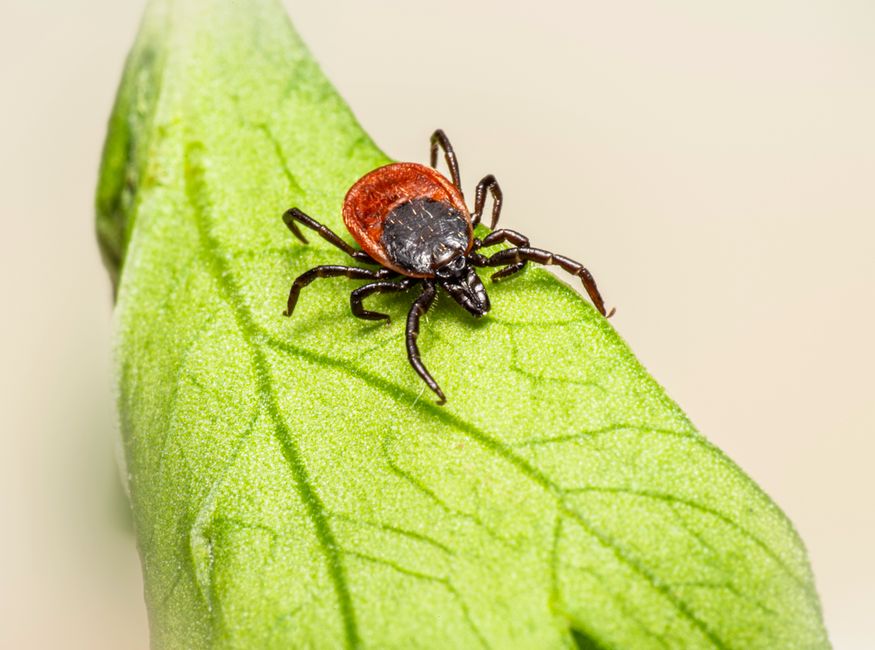
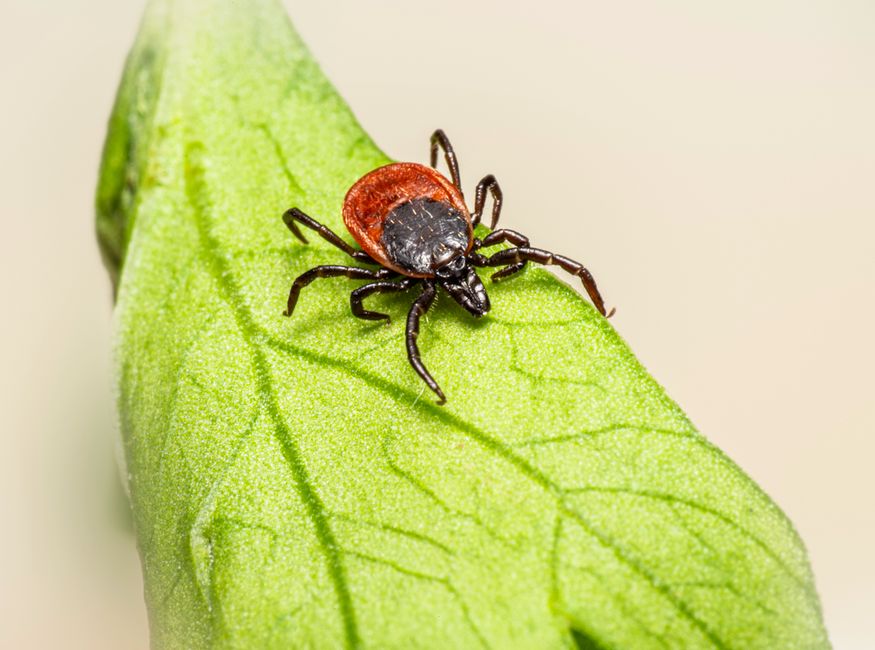
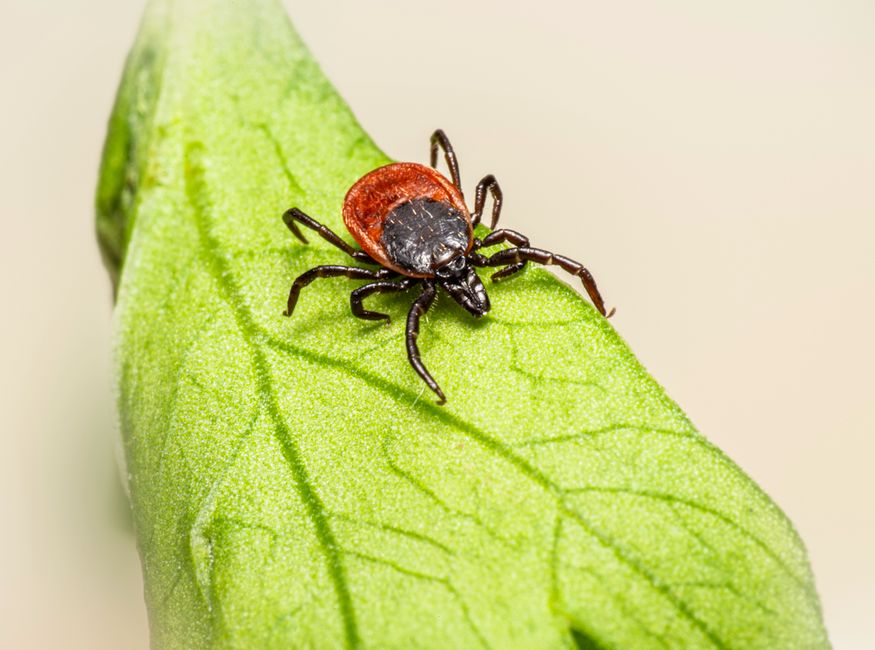
Ticks are arachnids that feed on blood and can attach to your Husky during outdoor activities. Huskies, with their thick double coats, are particularly susceptible because ticks can hide deep within the fur, making detection difficult. Common tick species include the deer tick (black-legged tick), American dog tick, and Lone Star tick. Diseases they carry can cause fever, joint pain, kidney damage, and even death if untreated. Regular tick prevention is non-negotiable for any Husky living in or visiting tick-prone areas.
Types of Tick Medications for Huskies
There are several classes of tick preventatives, each with unique advantages and considerations for Huskies:
- Topical medications (spot-ons): Applied directly to the skin between the shoulder blades or along the back. Examples include Frontline Plus, K9 Advantix II, and Revolution.
- Oral medications: Chewable tablets or pills that kill ticks systemically. Popular options are Bravecto, NexGard, and Simparica.
- Tick collars: Collars that release active ingredients over time, such as Seresto.
- Shampoos and dips: For immediate tick removal but short-lasting.
Each type works differently, and your choice should depend on your Husky's lifestyle, health status, and any potential sensitivities.
How to Choose the Best Tick Medication for Your Husky
Consider Your Husky's Risk Level
If your Husky spends a lot of time in wooded or grassy areas, opt for a long-lasting systemic option like Bravecto (12 weeks) or a Seresto collar (8 months). For light exposure, monthly topicals may suffice.
Age and Weight
Medications are formulated for specific weight ranges. Always use the correct dosage. Puppies under a certain age may need a milder product. Consult your vet.
Health Conditions
Oral medications may not be suitable for Huskies with a history of seizures or certain genetic conditions. Topicals can cause skin reactions in some dogs. Discuss with your veterinarian to rule out any contraindications.
Multi-Purpose Protection
Many tick medications also prevent fleas, heartworms, and intestinal parasites. If your Husky is on a heartworm preventive, check if it includes tick coverage to avoid overmedicating.
Step-by-Step Guide to Applying Topical Tick Medication
Topical medications are effective when applied correctly. Follow these steps for your Husky:
- Choose a time when your Husky is calm and dry. Brush the fur to remove tangles.
- Part the hair at the base of the neck between the shoulder blades until you see skin.
- Squeeze the entire tube directly onto the skin. Do not apply on top of the fur.
- Avoid petting or bathing your Husky for 24–48 hours after application.
- If you have multiple pets, keep them separated until the product dries.
Oral Tick Medications: Pros and Cons
Oral medications are convenient and mess-free. They work by entering the bloodstream; when a tick bites, it ingests the drug and dies. Benefits include no residue, waterproof, and often faster action. However, they require a prescription and may cause vomiting or diarrhea in sensitive dogs. Also, since the tick must bite to be killed, there is still a risk of disease transmission before the tick dies. Some studies show that oral medications kill ticks before they can transmit diseases, but not all guarantee it.
Tick Collars: Are They Effective for Huskies?
Tick collars like Seresto release low doses of active ingredients over months. They are effective but must fit snugly (two fingers should fit between collar and neck). For Huskies with thick fur, the collar might not make consistent skin contact, reducing efficacy. Also, some dogs develop skin irritation under the collar. Collars are best for low-to-moderate risk situations.
Natural and Homeopathic Tick Repellents for Huskies
Some owners prefer natural options to avoid chemicals. While these are less effective, they can be used as supplementary measures:
- Essential oils like cedarwood, lavender, and eucalyptus (diluted and used with caution – never ingest or apply undiluted).
- Diatomaceous earth (food grade) sprinkled on bedding or in the yard.
- Garlic or brewer’s yeast supplements (controversial; excessive garlic can be toxic to dogs).
Note: Natural repellents alone are rarely sufficient for Huskies in high-risk areas. Always combine with a proven medication.
Tick Removal: Safe Techniques
Despite prevention, you may find a tick attached. Remove it promptly:
- Use fine-tipped tweezers or a tick removal tool.
- Grasp the tick as close to the skin as possible.
- Pull upward with steady, even pressure. Do not twist or jerk.
- Clean the bite area with antiseptic and wash your hands.
- Monitor your Husky for signs of illness in the following weeks.
Preventative Measures Beyond Medication
Combine medication with environmental management:
- Keep your yard mowed and remove leaf litter.
- Avoid walking Huskies in tall grass or brush during peak tick seasons (spring and fall).
- Check your Husky thoroughly after outdoor time, especially around ears, neck, armpits, and between toes.
- Use tick-specific repellent sprays for hiking.
Frequently Asked Questions
Can I use dog tick medication on my Husky?
Only use products labeled for dogs. Never use cat products as they can be toxic.
How often should I apply tick prevention?
Follow the product’s schedule – monthly for most topicals and orals; every 12 weeks for Bravecto; 8 months for Seresto collar.
What if my Husky has a reaction?
Signs of adverse reaction include vomiting, lethargy, skin redness, or seizures. Contact your vet immediately.
Are there natural tick remedies that work?
Some natural repellents provide partial protection but are not reliable as sole treatment. Always use a proven vet-recommended product.
Protecting your Siberian Husky from ticks is a year-round responsibility. Consult your veterinarian to select the best tick medication tailored to your Husky’s needs. With the right product and regular checks, you can minimize the risk of tick-borne diseases and keep your furry friend healthy.
Recommended Products for Your Husky
As an Amazon Associate, we earn from qualifying purchases. Learn more.
- Husky Care Essentials — Check price on Amazon
- Best-Selling Dog Gear — Check price on Amazon
- Newest Husky Products — Check price on Amazon
Editor's Note
We've tracked hypothyroidism across dozens of huskies and the signs are sneaky—weight gain, lethargy, thin coat. Annual bloodwork caught it early in clients who might have written it off as simply aging.
Sources & Further Reading
HuskySpot researches each topic against recognized breed and veterinary authorities. The following organizations inform our content: