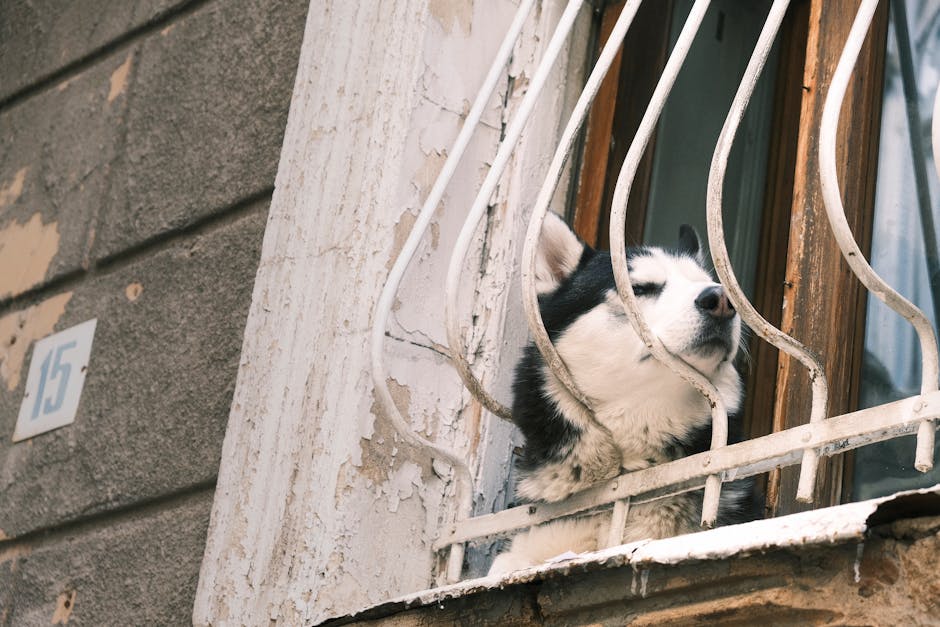
Understanding Itchy Skin in Siberian Huskies
Itchy skin, or pruritus, is a common complaint among Siberian Husky owners. Due to their thick double coats and sensitive skin, Huskies are prone to various irritants that trigger scratching, biting, and licking. This comprehensive guide explores the causes, symptoms, treatments, and prevention strategies for husky itchy skin.
Common Causes of Itchy Skin in Huskies
Allergies
Huskies often develop allergies to environmental substances like pollen, dust mites, mold, or grass. Food allergies, particularly to proteins such as chicken, beef, or grains, can also manifest as skin irritation.
Parasites
Fleas, ticks, and mites (including Sarcoptes and Demodex) cause intense itching. Even a single flea bite can trigger an allergic reaction in sensitive dogs.
Dry Skin
Low humidity, especially in winter, strips moisture from the skin. Over-bathing or harsh shampoos can worsen dryness. Huskies also have naturally low oil production compared to other breeds.
Environmental Factors
Contact with harsh chemicals, fabrics, or plants (like poison ivy) can cause contact dermatitis. Additionally, stress or boredom may lead to compulsive scratching.
Underlying Health Issues
Conditions like hypothyroidism, Cushing's disease, or autoimmune disorders can cause chronic itching. These require veterinary diagnosis.
Symptoms to Watch For
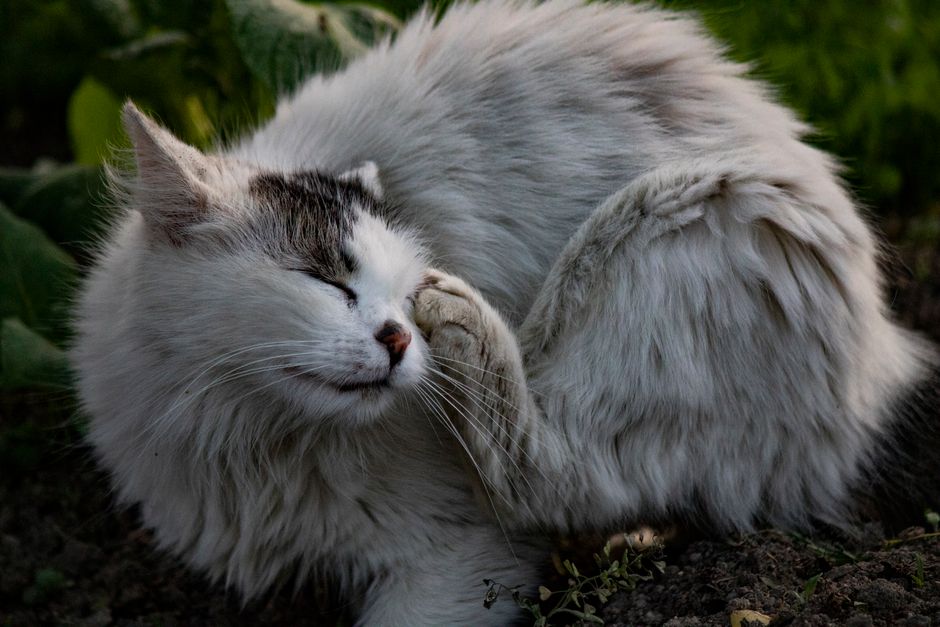
- Frequent scratching, rubbing against furniture, or rolling on the ground
- Red, inflamed skin or raised bumps
- Hot spots (moist, painful lesions)
- Hair loss or thinning patches
- Excessive licking of paws or flanks
- Dandruff or flaky skin
- Ear infections or head shaking
Diagnosing the Root Cause
Because many triggers share similar symptoms, a veterinarian can help pinpoint the issue. Steps include a thorough physical exam, skin scrapings, allergy testing (intradermal or blood), and an elimination diet trial over 8-12 weeks. Keeping a symptom diary helps identify patterns.
Practical Tips to Soothe Itchy Skin at Home
Oatmeal Baths
Colloidal oatmeal baths relieve itching and moisturize the skin. Use a gentle dog-specific oatmeal shampoo; bathe no more than once every 2-4 weeks to avoid stripping natural oils.
Moisturizing with Coconut Oil
Virgin coconut oil can be applied topically to dry patches or added to food (start with ½ teaspoon per 10 lbs). It has antibacterial and anti-inflammatory properties.
Omega-3 Fatty Acids
Fish oil or flaxseed oil supplements reduce inflammation and improve skin barrier function. Give 1000 mg per 10 lbs daily after consulting your vet.
Humidifier
Indoor dry air worsens itching. Use a cool-mist humidifier in rooms where your husky spends most time.
Aloe Vera
Pure, dog-safe aloe vera gel soothes sunburns and minor irritations. Avoid products with added alcohol or preservatives.
Anti-Itch Sprays
Shop for sprays containing colloidal oatmeal, pramoxine, or hydrocortisone (use only if vet-approved). Avoid toxic ingredients like zinc or tea tree oil.
Diet and Nutrition for Healthy Skin
A balanced diet is crucial for skin health. Look for high-quality animal protein (fish, lamb, or novel proteins), omega-3 and omega-6 fatty acids, zinc, and vitamin E. Consider switching to a limited-ingredient or hypoallergenic food if allergies are suspected. Avoid common allergens like chicken, beef, corn, soy, and dairy. Homemade diets should be vet-formulated to ensure completeness.
When to See the Vet
Seek professional help if your husky experiences any of the following: persistent scratching that disrupts sleep or eating, open sores or crusts, signs of infection (pus, foul odor), hair loss in patches, swollen lymph nodes, or behavioral changes. Early intervention prevents secondary infections and chronic skin damage.
Prevention Strategies
- Groom regularly: Brush at least twice a week to remove debris and distribute natural oils. Bathe only when necessary.
- Use flea and tick prevention year-round as recommended by your vet.
- Wash bedding and vacuum frequently to reduce allergens.
- Provide a high-quality diet with omega-3 supplements.
- Maintain indoor humidity levels between 40-60%.
- Reduce stress with adequate exercise, mental stimulation, and a consistent routine.
Comparison of Common Treatments for Husky Itchy Skin
| Treatment | How It Works | Best For | Frequency |
|---|---|---|---|
| Oatmeal Bath | Relieves itching, moisturizes | Mild to moderate pruritus | Every 2-4 weeks |
| Coconut Oil (topical) | Moisturizes, antimicrobial | Dry patches, minor abrasions | As needed |
| Omega-3 Supplements | Reduces inflammation, improves skin barrier | Allergic dermatitis, general dry skin | Daily |
| Antihistamines (e.g., Benadryl) | Blocks histamine release | Seasonal allergies, acute flare-ups | Vet-prescribed |
| Topical Hydrocortisone | Reduces redness and swelling | Hot spots, localized inflammation | Vet-directed |
| Prescription Medications (Apoquel, Cytopoint) | Target specific itch pathways | Severe or chronic allergies | As prescribed |
Conclusion
Itchy skin in Siberian Huskies is manageable with the right approach. By identifying the underlying cause—whether allergies, parasites, or dryness—and combining home remedies with veterinary care, you can restore your husky's comfort and health. Always consult your vet before starting new treatments, especially if symptoms persist. With consistent care, your husky can enjoy a happy, itch-free life.