Heat stroke is a life-threatening emergency that can affect any dog, but Siberian Huskies are particularly vulnerable due to their thick double coats and inherent cold-weather adaptations. As a responsible owner, knowing the husky heat stroke symptoms—from early warning signs to advanced stages—can mean the difference between life and death. This comprehensive guide covers everything you need to recognize, respond to, and prevent heat stroke in your Husky.
What Is Heat Stroke in Huskies?
Heat stroke occurs when a dog’s body temperature rises above 104°F (40°C) due to environmental factors and an inability to cool down effectively. In Huskies, their dense fur and limited panting efficiency (they don’t sweat like humans) make them prone to overheating quickly. Unlike humans, dogs primarily cool themselves through panting and heat dissipation through their paw pads and nose. When these mechanisms are overwhelmed—for example, during high temperatures, intense exercise, or confinement in a hot car—heat stroke can set in rapidly.
There are two types of heat stroke: non-exertional (caused by hot environments) and exertional (caused by strenuous activity). Both are dangerous, but exertional heat stroke can occur even in moderate temperatures if your Husky is overexerted.
Why Are Huskies Prone to Heat Stroke?
- Thick Double Coat: This insulating layer traps heat, making it harder for them to cool off.
- Brachycephalic Trait? No, but Huskies have a narrow nasal passage compared to some breeds, which may slightly impede efficient panting.
- High Energy Drive: They often keep running even when overheated, ignoring signs of fatigue.
- Cold-Weather Origins: Bred for Arctic climates, their bodies are not optimized for hot environments.
Recognizing the Signs: Symptoms of Heat Stroke in Huskies
Early detection is crucial. Below is a table of symptoms categorized by severity.
| Stage | Symptoms |
|---|---|
| Early/Mild | Excessive panting, drooling, bright red gums or tongue, restlessness, seeking shade or water, increased thirst |
| Moderate | Rapid or erratic heartbeat, weakness, staggering, glazed eyes, vomiting or diarrhea (possibly with blood) |
| Severe | Collapse, seizures, unconsciousness, breathing distress, no urine output, bright red or purple mucous membranes |
Additional signs: If your Husky stops panting suddenly (this indicates overheating of the brain), it is a critical emergency.
Subtle Signs Owned Often Miss
- Licking or chewing at paws (trying to cool down through paw pads)
- Refusal to move or lie down
- Whining or agitation
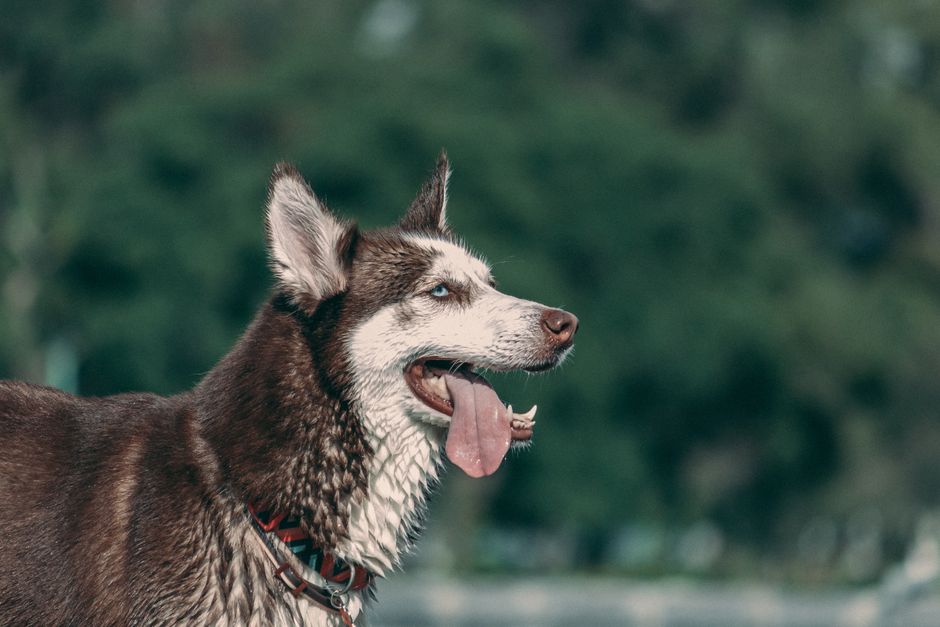
- Mouth open with tongue hanging far out (more than normal panting)
Immediate First Aid for a Husky with Heat Stroke
If you suspect heat stroke, act immediately. Follow these steps:
- Move to shade or cool area (air-conditioned space if possible).
- Offer cool water (not ice-cold) to drink, but do not force it if unconscious.
- Cool your Husky’s body: Use cool (not cold) water on the head, belly, paws, and groin area. You can also apply wet towels or cloths. Avoid ice or extremely cold water, as it can cause blood vessels to constrict and trap heat inside.
- Use fans to increase evaporative cooling.
- Monitor rectal temperature every few minutes; stop cooling once it reaches 103°F (39.4°C) to avoid hypothermia.
- Transport to a vet immediately, even if your Husky seems to recover. Internal damage may not be visible.
Important: Never cover your dog with wet towels for prolonged periods; this can insulate heat. Instead, rotate them or use evaporative cooling methods.
When to Seek Veterinary Help
Heat stroke is always a veterinary emergency. Seek immediate professional care if:
- Your Husky’s temperature exceeds 106°F (41°C) despite cooling efforts.
- There is any loss of consciousness, seizure, or vomiting/diarrhea with blood.
- Breathing is labored or stopped.
- Your dog is unable to stand or walk.
- More than 10 minutes have passed with no improvement.
Vets may administer intravenous fluids, oxygen therapy, temperature monitoring, and medication to prevent organ failure. Prognosis depends on severity and speed of treatment.
Preventing Heat Stroke in Your Husky
Prevention is far better than treatment. Follow these tips:
- Never leave your Husky in a parked car—even with windows cracked, temperatures can rise to lethal levels within minutes.
- Exercise during cooler parts of the day (early morning or late evening) and avoid peak sun hours (10 a.m. to 4 p.m.).
- Provide constant access to fresh water and shade when outdoors.
- Use cooling products: Cooling mats, vests, or bandanas designed for dogs. Frozen treats (like ice cubes with chicken broth) can help lower core temperature.
- Groom appropriately: Brush out the undercoat regularly to reduce insulation, but never shave your Husky’s coat entirely—it protects from sunburn and heat.
- Watch humidity: High humidity reduces the efficiency of panting. Even moderate temperatures with high humidity can be dangerous.
- Know your dog’s limits: Older Huskies, puppies, overweight dogs, and those with respiratory or heart conditions are at higher risk.
Summer Safety Checklist
- Check asphalt temperature with your palm; if too hot for your hand, it’s too hot for paws.
- Avoid vigorous play or running during hot weather.
- Ensure your Husky has a cool spot indoors (tile floors, fans, air conditioning).
- Consider a splash pool or sprinkler for supervised cooling fun.
Conclusion
Heat stroke is a preventable tragedy, but it requires vigilance. By understanding the husky heat stroke symptoms—from the first signs of excessive panting to life-threatening collapse—you can act swiftly to save your beloved companion. Remember: early recognition, immediate cooling, and veterinary intervention are the keys to survival. Keep your Husky safe, cool, and healthy all year round.
Recommended Products for Your Husky
As an Amazon Associate, we earn from qualifying purchases. Learn more.
- Husky Care Essentials — Check price on Amazon
- Best-Selling Dog Gear — Check price on Amazon
- Newest Husky Products — Check price on Amazon
Frequently Asked Questions
What vaccines does my Husky need?
Core vaccines: rabies, distemper, parvovirus, adenovirus. Your vet may add leptospirosis or bordetella based on risk.
How do I spot illness early?
Watch for appetite loss, lethargy, vomiting, diarrhea, limping, or eye changes. Huskies hide pain, so subtle shifts matter.
Are Huskies prone to eye problems?
Yes — cataracts and progressive retinal atrophy occur in the breed. Annual eye exams by a veterinary ophthalmologist are wise.
Editor's Note
We've tracked hypothyroidism across dozens of huskies and the signs are sneaky—weight gain, lethargy, thin coat. Annual bloodwork caught it early in clients who might have written it off as simply aging.
Sources & Further Reading
HuskySpot researches each topic against recognized breed and veterinary authorities. The following organizations inform our content: