If you've ever watched a Siberian Husky encounter a mirror for the first time, you know it's pure comedy gold. With their dramatic howls, playful bows, and intense stares, Huskies treat their reflection like a mysterious rival—or a new best friend. But why do these smart, stubborn dogs react so hilariously to their own image? In this guide, we'll dive into the science behind mirror reactions, explore typical Husky behaviors, and offer practical tips to keep the fun safe and stress-free.

Understanding the Mirror Image: A Canine Perspective
The mirror self-recognition test (MSR) is a classic experiment to determine if an animal can recognize itself. While humans, great apes, dolphins, and elephants pass, dogs typically fail. A dog sees another dog that smells like itself but has no odor—its own reflection. This contradiction confuses canines, especially intelligent breeds like the Husky. Instead of recognizing themselves, Huskies perceive a strange, silent twin that mimics their every move. This triggers a mix of curiosity, playfulness, and sometimes suspicion.
Interestingly, vision is not a dog's primary sense. They rely heavily on scent, and the mirror offers none. This olfactory mismatch is why some Huskies try to sniff behind the mirror or circle it. They are trying to locate the source of the familiar smell that's coming from the reflection itself. When that fails, they default to visual interpretation—and that's where the comedy begins.
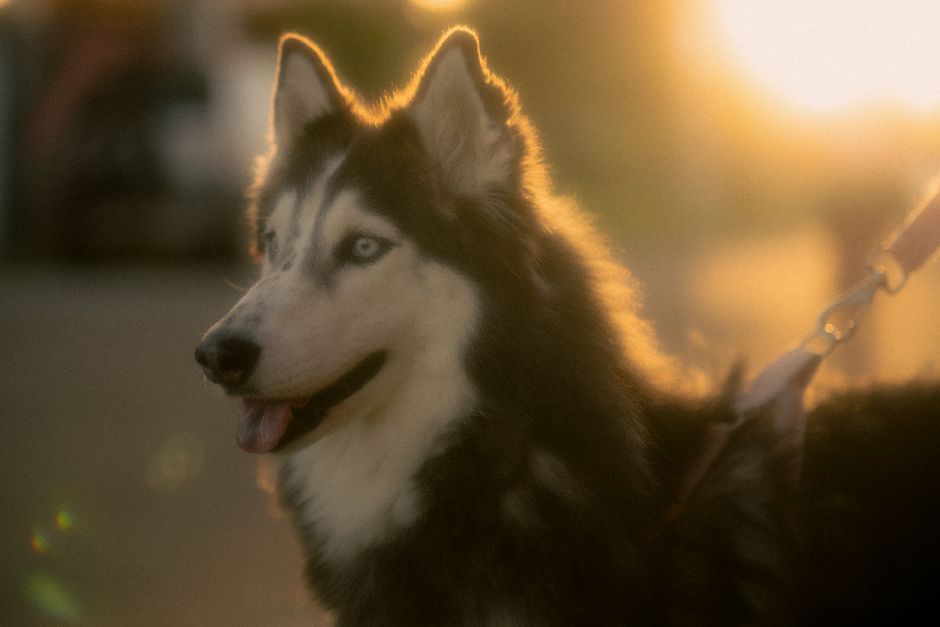
Why Huskies React Differently Than Other Breeds
Not all dogs react to mirrors with such gusto. Huskies stand out due to several breed-specific traits:
- Independence and Intelligence: Huskies were bred to make decisions in harsh Arctic conditions. They are problem-solvers, so a confusing stimulus like a mirror invites investigation and experimentation.
- Vocal Nature: Huskies are famous for howling, whining, and “talking.” When confronted with a reflection, they often try to communicate—barking, howling, or making a range of playful noises.
- High Prey Drive: The movement in the mirror triggers their chase instinct. They may stalk or pounce as if the reflection is prey.
- Playful, Puppy-like Demeanor: Even adult Huskies retain a youthful playfulness. They see the mirror as an invitation to engage in a game, complete with play bows and exaggerated body language.
In contrast, Labrador Retrievers may give a brief tail wag and move on. Herding breeds might stare and try to control the “other dog.” But Huskies bring a full theatrical performance.
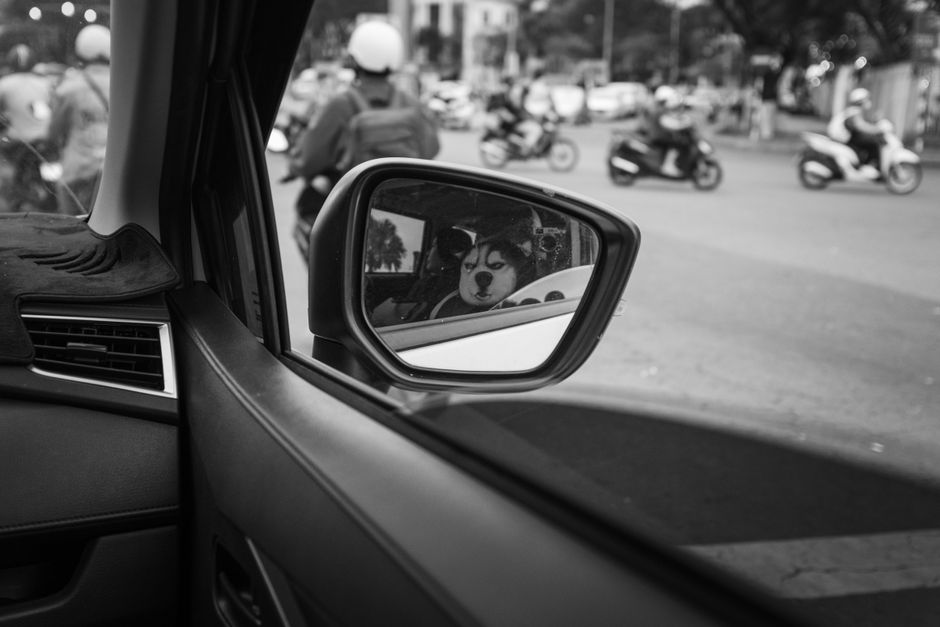
Typical Husky Reactions to Mirrors
| Reaction Type | Description | Typical Duration |
|---|---|---|
| The Head Tilt | Husky cocks head while staring at reflection, as if trying to understand the mimic. | A few seconds |
| The Play Bow | Husky lowers front legs and wags tail, inviting the "other dog" to play. | Several minutes |
| The Barking/Howling | Loud vocalizations directed at the mirror, often escalating. | Until distracted |
| The Stalking | Slow, deliberate approach as if hunting the reflection. | Brief |
| The Ignorance | After initial investigation, Husky loses interest completely. | Permanent |
| The Confused Howl | Prolonged, mournful howl often accompanied by pacing. | Up to 10 minutes |
Most Huskies cycle through these reactions in the first few encounters. Some may never get used to mirrors; others learn to ignore them after a few weeks.
Is This Behavior Dangerous or Just Funny?
Generally, mirror reactions are harmless and hilarious. However, there are a few risks to watch for:
- Furniture damage: Your Husky might paw or jump at the mirror, potentially knocking it over or scratching surfaces. Secure large mirrors to the wall.
- Stress or anxiety: If the reflection seems threatening (e.g., in low light or at night), some Huskies may become anxious, whine, or bark incessantly. Provide adequate lighting and avoid placing mirrors where your dog sleeps.
- Obsessive behavior: Rarely, a Husky might become fixated on its reflection to the point of neglecting food, walks, or rest. If you notice this, intervene promptly.
- Ingestion of mirror pieces: If your Husky breaks a mirror, shards can cause serious injury. Supervise mirror interactions and use shatterproof alternatives in high-traffic areas.
If your Husky shows signs of distress or obsession, it's best to remove the mirror temporarily or cover it when not supervised.
How to Manage Your Husky’s Mirror Obsession
For most owners, the mirror antics are a source of joy. But if the behavior becomes excessive or disruptive, try these strategies:
- Positive association: Toss high-value treats or favorite toys away from the mirror to redirect attention. Reward calm behavior near the mirror.
- Distraction: Engage your Husky in a favorite game (fetch, tug) or training session in a different room.
- Cover the mirror: Use a blanket, removable contact paper, or a decorative screen when you want to limit access.
- Increase exercise and mental stimulation: A tired Husky is less likely to fixate on reflections. Aim for at least 60 minutes of vigorous activity daily, plus puzzle toys or nose work.
- Teach a "leave it" command: Use positive reinforcement to train your Husky to ignore the mirror on cue. Practice in short sessions.
- Rotate environments: If possible, rearrange furniture or move the mirror to a less accessible location. Novelty diminishes over time.
Remember, this behavior is normal and often cute. Unless it becomes problematic, feel free to enjoy the show—and record it for laughs!
Fun Facts About Huskies and Reflections
- Huskies often react more strongly to mirrors than many other breeds due to their independent thinking and strong reactions to novelty.
- Puppies are more likely to react dramatically; older Huskies may have learned that reflections aren't real.
- Some Huskies have been observed trying to look behind the mirror for the "other dog."
- Nighttime reflections (like in a dark window) can sometimes trigger fear responses, so provide adequate lighting.
- The iconic "Husky talk"—a series of rumbling, chirping howls—is often reserved for mirror conversations.
, your Husky's mirror antics are a delightful window into their curious, playful nature. While they may never fully understand that they're staring at themselves, their joyful confusion is a reminder of why we love these quirky dogs. So grab your phone, capture the moment, and share the silliness with fellow Husky lovers!