If you're a Siberian Husky owner, you've probably witnessed the phenomenon known as "zoomies" — those sudden bursts of frantic energy where your dog runs in circles, bounces off furniture, and seems to lose all control. But in winter, when snow covers the ground, these episodes can reach a whole new level. Welcome to the world of husky snow zoomies, where your dog transforms into a snow-loving maniac. In this guide, we'll explore why huskies go wild in winter, how to keep them safe, and how to embrace the madness.
What Are Snow Zoomies?
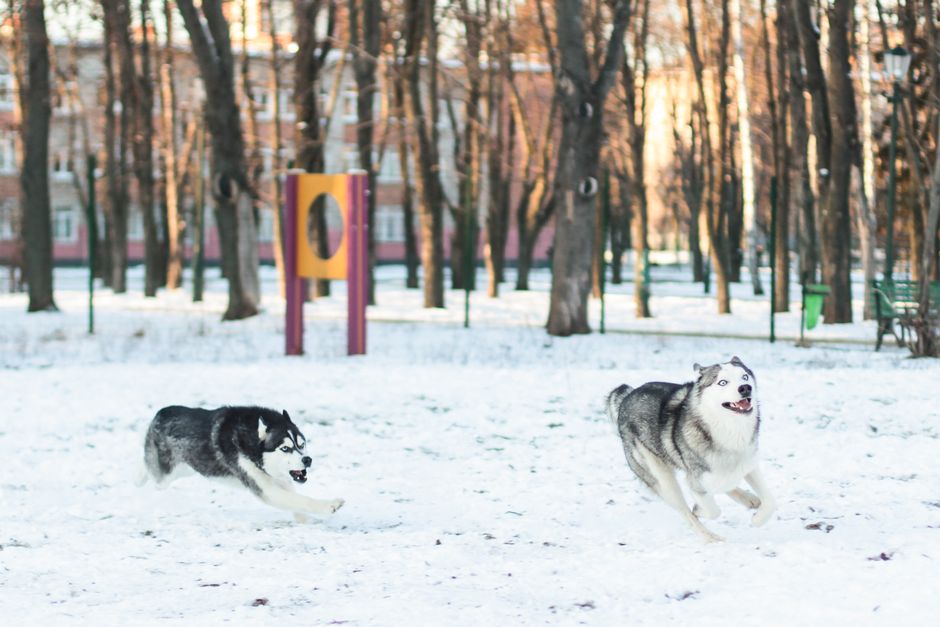
Zoomies, technically called Frenetic Random Activity Periods (FRAPs), are normal canine behaviors characterized by sudden, intense energy bursts. For huskies, snow amplifies these episodes. You'll see them sprinting, spinning, leaping into snowbanks, and rolling around with pure joy. This behavior is instinctual—a way to release pent-up energy and express excitement. In winter, the cold air and fresh snow provide a sensory playground that triggers these wild runs.
Why Huskies Love Snow Zoomies
1. Cold-Weather Adaptations
Siberian Huskies were bred for Arctic conditions. Their thick double coat insulates them against extreme cold, and their paws have special pads that reduce heat loss. Snow feels comfortable, not freezing, to them. When they run, they generate even more heat, making snow a perfect surface for intense play.
2. Instinctual Joy
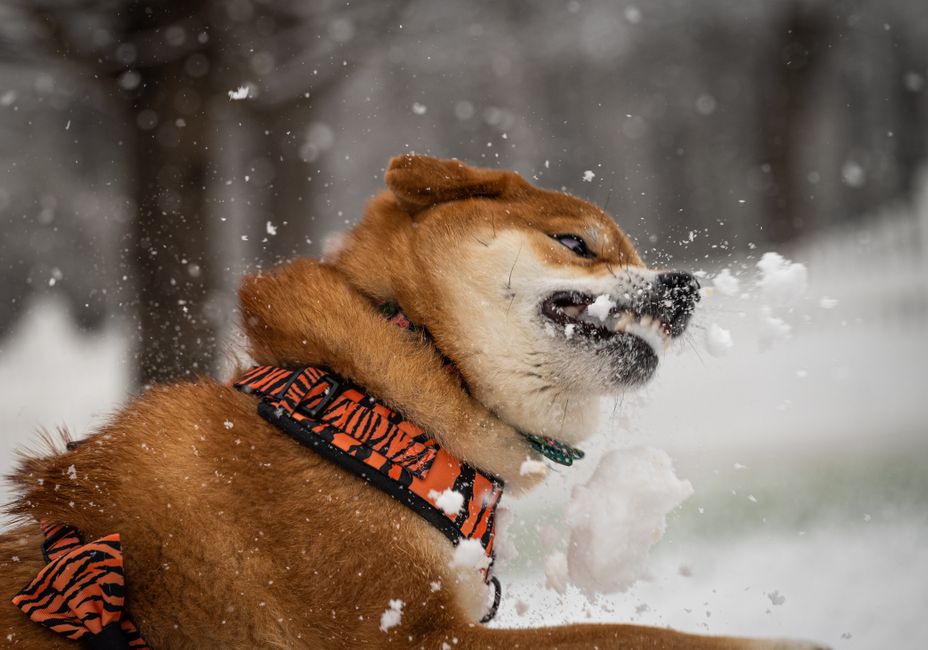
Huskies have a strong prey drive and love to chase. Snow drifts, blowing flakes, and even their own footprints trigger chasing instincts. The soft, fluffy texture of snow also encourages digging and pouncing, mimicking hunting behaviors. This primal satisfaction can lead to extended zoomie sessions.
3. Mental Stimulation
Snow transforms familiar environments into new landscapes. The crunch underfoot, the scent of cold air, and the visual whiteout provide rich sensory experiences. This mental stimulation can cause excitement overflow, resulting in zoomies.
Safety Tips for Winter Zoomies
While zoomies are fun, winter conditions pose unique risks. Here’s how to keep your husky safe:
- Check paws regularly: Snow and ice can ball up between toes, causing discomfort. Use paw wax or booties if snow is sticky.
- Avoid icy patches: Hidden ice can cause slips and injuries. Stick to grassy or snowy areas.
- Monitor time outdoors: Even huskies can get hypothermia in extreme cold. Limit sessions to 30 minutes when temperatures drop below -20°F (-29°C).
- Watch for frostbite: Ears, tail, and paw pads are vulnerable. If they appear pale or cold, bring your dog inside.
- Hydration: Running in cold air can dehydrate. Offer water after play.
How to Encourage Safe Zoomies
Want to harness that snowy energy? Try these tips:
- Create a safe zone: Fenced yard or open field without obstacles. Clear hidden dangers like sticks or wires.
- Use toys: Toss a snowball or a flying disc to direct the zoomie path. Many huskies love to chase snowballs until they disintegrate.
- Join the fun: Run with your husky or play hide-and-seek in the snow. Your enthusiasm will increase their excitement.
- Teach a "settle" command: Train your dog to calm down after play. Use treats and praise to reward relaxation.
- Provide after-play care: Dry your husky thoroughly with a towel, especially between paw pads and in the armpits.
When to Be Concerned About Zoomies
While zoomies are normal, excessive or extreme behavior can indicate issues:
- Obsessive-compulsive disorder (OCD): Repetitive, non-stop zoomies without a break may signal anxiety or compulsion. Consult a vet.
- Pain or discomfort: If zoomies are accompanied by whimpering, limping, or avoidance of snow, check for injuries.
- Sudden changes: If a senior dog suddenly gets frantic zoomies, it may be due to cognitive dysfunction or pain.
- Weather extremes: If your husky refuses to stop despite shivering or lifting paws, intervene immediately.
Most zoomies are harmless. But always trust your instincts—if something seems off, see your veterinarian.
Fun Facts About Huskies and Snow
- Huskies can sleep in snow burrows during storms, using their tails to cover their noses and conserve heat.
- Their paws contain a network of blood vessels that prevent freezing and regulate temperature.
- The word "husky" comes from "Eskimo," referencing the Inuit people who bred them for sled work.
- Snow zoomies are especially common in dogs under 5 years old, but older huskies often join in too.
Conclusion
Snow zoomies are a beautiful display of a husky's natural heritage. Instead of worrying, enjoy the show! With proper precautions, these winter antics can strengthen your bond and provide excellent exercise. So next time your husky gets the wild eye in the snow, grab your camera and celebrate the joy of winter with your furry snow lover.