Introduction: Two Majestic Northern Breeds
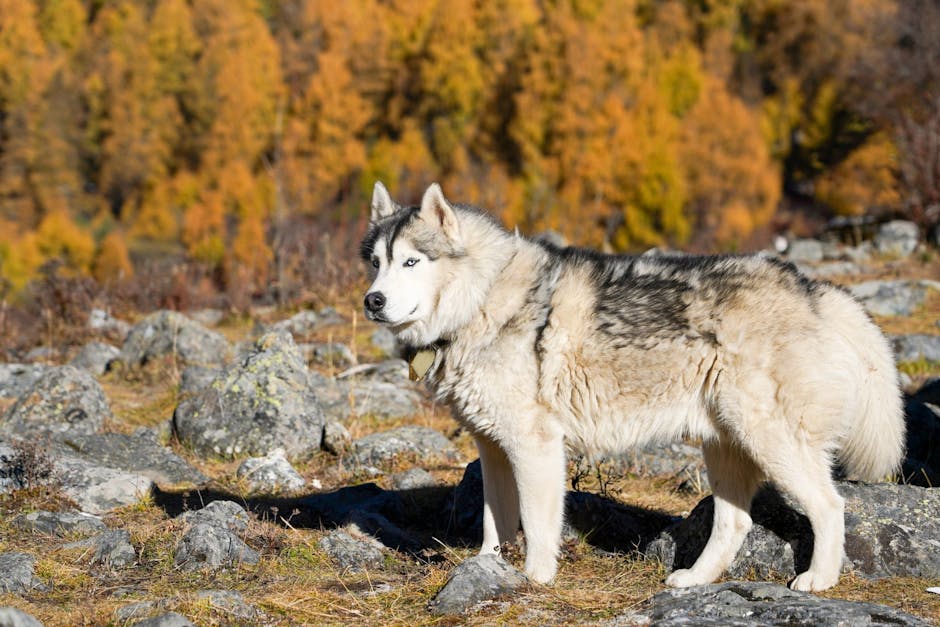
Choosing between a Siberian Husky and an Alaskan Malamute can be challenging for any dog lover. Both breeds share a striking resemblance, a thick double coat, and a heritage rooted in Arctic survival. Yet beneath the surface, they differ significantly in temperament, exercise needs, and trainability. This comprehensive guide will walk you through every key difference, from size and energy levels to grooming demands and family compatibility, helping you decide which breed best fits your lifestyle.
1. Breed Origins & History
Siberian Husky
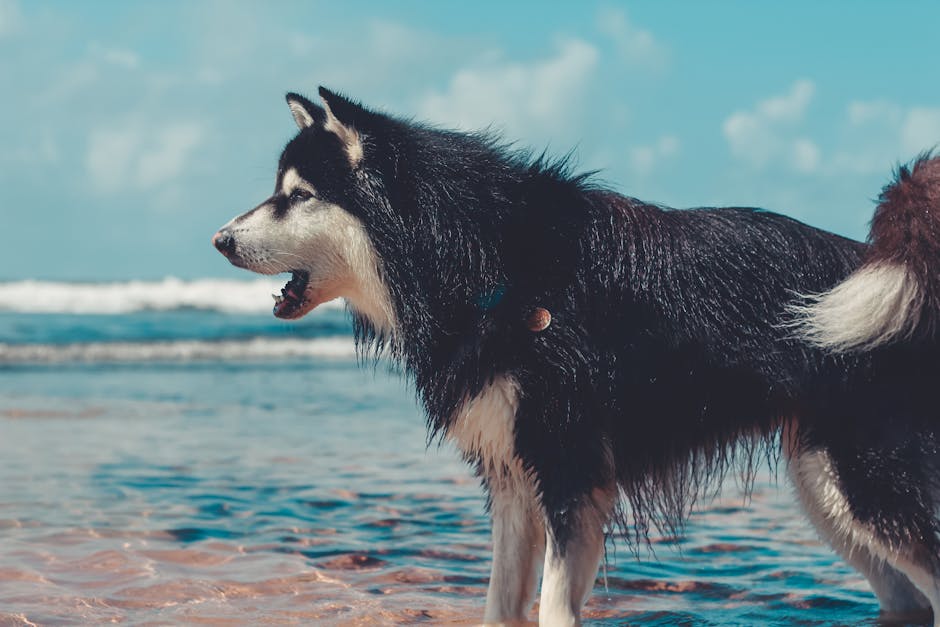
The Siberian Husky was developed by the Chukchi people of northeastern Asia as a sled dog capable of traveling long distances at moderate speed while carrying light loads. They were prized for their endurance, friendly disposition, and ability to work in packs. In 1909, they were brought to Alaska for sled dog racing, and later became beloved family pets.
Alaskan Malamute
The Alaskan Malamute is one of the oldest Arctic sled dog breeds, named after the native Inuit tribe, the Mahlemuts. Bred for heavy hauling and pulling large loads over long distances, Malamutes are larger, more powerful, and built for strength rather than speed. They have a strong independent streak and were historically used for hunting polar bears and seals.
2. Size and Physical Appearance
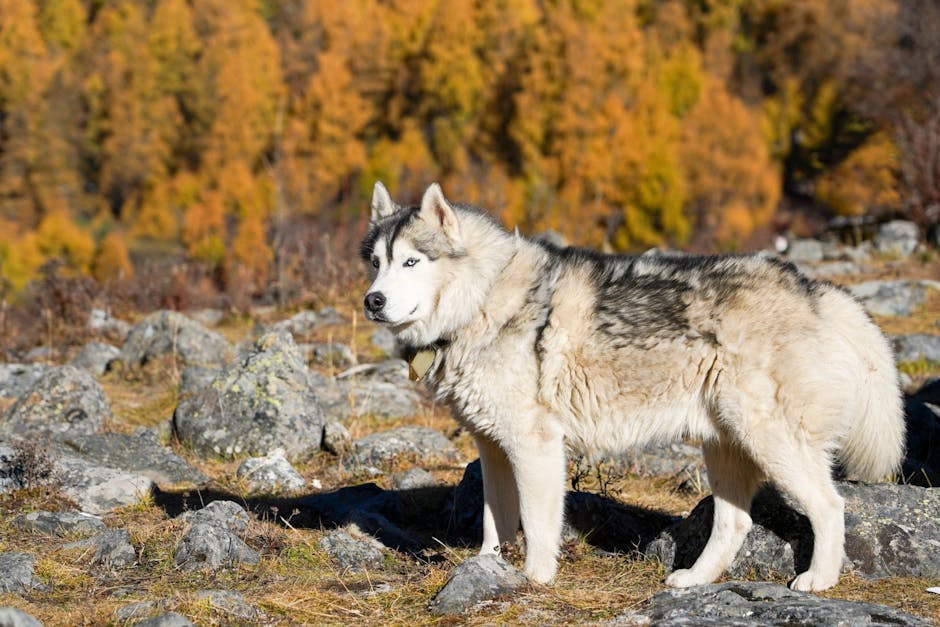
While both breeds share a wolf-like appearance, size is the most obvious difference. Use the table below for a quick comparison:
| Feature | Siberian Husky | Alaskan Malamute |
|---|---|---|
| Height (male) | 21–23.5 inches | 24–26 inches |
| Height (female) | 20–22 inches | 22–24 inches |
| Weight (male) | 45–60 pounds | 75–95 pounds |
| Weight (female) | 35–50 pounds | 65–85 pounds |
| Coat color | Wide range (black, gray, red, agouti, white) | Typically gray, black, sable, or red with white markings |
| Eye color | Blue, brown, or heterochromia (two different colors) | Brown only (blue eyes are disqualifying) |
| Tail | Sickle-curved (carried over back when alert) | Plume-like, carried over back |
3. Temperament and Personality
Siberian Husky
Huskies are outgoing, friendly, and gentle. They rarely show aggression toward humans and are known for being mischievous and playful. They thrive on human companionship and can suffer from separation anxiety if left alone too long. Their intelligence is paired with a stubborn streak—they are not “eager to please” like retrievers.
Alaskan Malamute
Malamutes are dignified, loyal, and affectionate with their family but can be aloof or wary of strangers. They have a stronger prey drive and may not get along with cats or small dogs. They are also more dominant and require an experienced owner who can establish clear leadership. Malamutes are less likely to be good watchdogs; they are more likely to greet intruders with a wagging tail.
4. Energy Levels and Exercise Requirements
Both breeds are high-energy working dogs that demand significant exercise, but the type of activity differs.
- Siberian Husky: Needs at least 1–2 hours of vigorous exercise daily. They excel at running, sledding, and dog sports like canicross. Without enough exercise, they become destructive escape artists.
- Alaskan Malamute: Requires 1.5–2 hours of exercise, but prefers pulling and heavy work over running. Hiking, backpacking, and weight-pulling are ideal. They have less stamina for long-distance running compared to Huskies.
5. Trainability and Intelligence
Both breeds are intelligent but independent. However, their approaches to training differ.
- Siberian Husky: Known for being clever yet stubborn. They bore easily and need positive reinforcement with variety. Consistency is key, but they will test boundaries. Not recommended for first-time dog owners unless they are committed to training.
- Alaskan Malamute: More dominant and biddable than a Husky in some respects, but equally independent. They require a firm, experienced handler. Malamutes respond well to positive methods but will challenge authority. They are more likely to ignore commands if they see no benefit.
6. Grooming and Shedding
Both breeds have a thick double coat that sheds heavily, especially during seasonal blowouts.
- Siberian Husky: Moderate grooming. Brush 2–3 times a week, daily during shedding season. They are fastidiously clean and have minimal “doggy odor.” They seldom need baths.
- Alaskan Malamute: High grooming commitment. Brush 3–4 times a week, daily during shedding. Their coat is thicker and heavier, requiring more effort to prevent matting. They also are more prone to developing hot spots if not groomed properly.
7. Health and Lifespan
Both are generally healthy but prone to certain breed-specific conditions.
| Health Concern | Siberian Husky | Alaskan Malamute |
|---|---|---|
| Lifespan | 12–15 years | 10–14 years |
| Hip dysplasia | Moderate risk | Higher risk (due to heavier weight) |
| Eye issues | Progressive retinal atrophy, cataracts, corneal dystrophy | Cataracts, glaucoma, progressive retinal atrophy |
| Hypothyroidism | Yes | Yes |
| Bloat (GDV) | Lower risk | Higher risk (deep chest) |
| Other | Juvenile cataracts | Chondrodysplasia (dwarfism), seizures |
8. Living Environment and Family Compatibility
Siberian Husky
Huskies adapt well to various environments but need a securely fenced yard (they are escape artists). They are excellent with children, gentle and playful. However, they may not be trustworthy with small animals like cats or rabbits. Apartment living is possible only if they get enough exercise and mental stimulation.
Alaskan Malamute
Malamutes are better suited for homes with large, secure yards. They are generally good with older children but can be too boisterous for toddlers due to their size and strength. They may be dog-aggressive, especially with same-sex dogs, and have a very high prey drive toward small pets. Apartment living is not recommended.
9. Feeding and Nutrition
Both breeds have robust appetites and can become obese if overfed.
- Siberian Husky: Metabolic efficiency means they need less food per pound than many other breeds. Feed high-quality food, about 2–3 cups daily for adults, split into two meals.
- Alaskan Malamute: Larger appetites, requiring 3–5 cups per day depending on activity. Prone to bloat, so avoid vigorous exercise immediately after eating and consider using a slow-feeder bowl.
10. Cost and Ownership Commitment
Both breeds are expensive to own. Initial purchase price ranges from $1,000 to $3,000 from reputable breeders. Annual costs for food, vet care, grooming, and supplies can exceed $2,000 for a Husky and $3,000 for a Malamute (larger portions, more grooming). Expect to invest significant time in training and exercise.
Conclusion: Which One Is Right for You?
If you are an active individual or family looking for a smaller, more agile, and friendly companion that gets along with most people and other dogs, the Siberian Husky is a fantastic choice. However, be prepared for an escape-prone, mischievous dog that requires firm training and plenty of exercise.
If you have experience with dominant breeds, a large property, and a love for heavy pulling activities, the Alaskan Malamute will be a loyal and majestic partner. But be aware of their stronger prey drive, stubbornness, and higher grooming needs.
No matter which breed you choose, both reward committed owners with decades of devotion, laughter, and adventure.