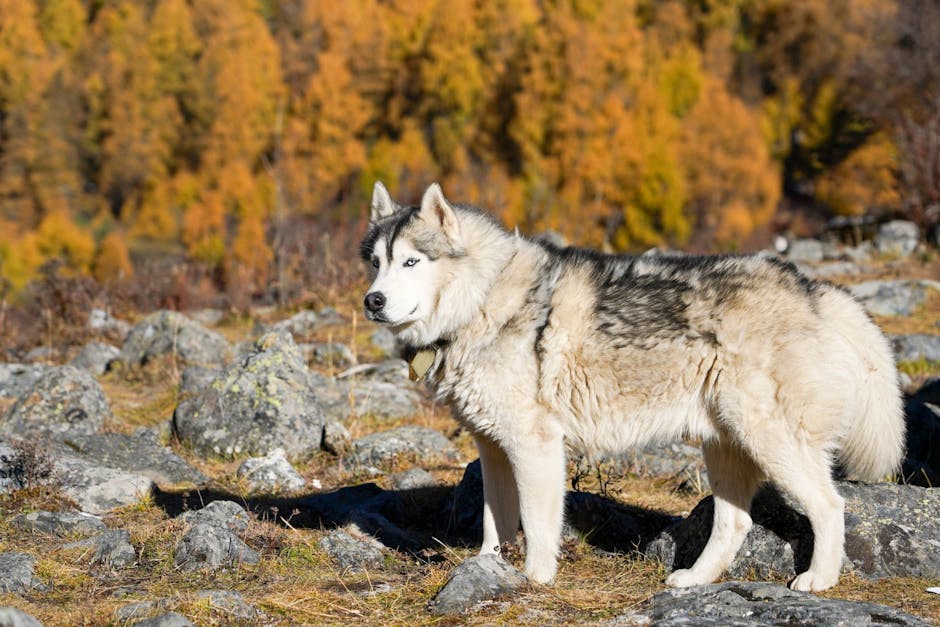
Siberian Husky vs Malamute: A Detailed Breed Comparison
When choosing between a Siberian Husky and an Alaskan Malamute, prospective owners often find themselves torn between these two stunning, powerful Arctic breeds. While both share a common ancestry and distinctive wolf-like appearance, they have very distinct personalities, care requirements, and energy levels. This comprehensive comparison will help you understand the key differences and decide which breed is the best fit for your lifestyle.
Quick Overview Table
| Feature | Siberian Husky | Alaskan Malamute |
|---|---|---|
| Size | Medium (35–60 lbs) | Large (75–85 lbs) |
| Temperament | Friendly, outgoing, mischievous | Loyal, dignified, independent |
| Energy Level | Very high (needs daily vigorous exercise) | High (moderate endurance but loves pulling) |
| Trainability | Moderate (stubborn, easily bored) | Low (strong-willed, needs firm handling) |
| Grooming | Heavy seasonal shedding, weekly brushing | Very heavy shedding, daily brushing during blowout |
| Good with Kids | Yes (gentle, playful) | Yes (protective, but can be rough) |
| Barking/Howling | Frequent howler, rarely barks | Quiet, but can growl or woof |
| Lifespan | 12–14 years | 10–12 years |
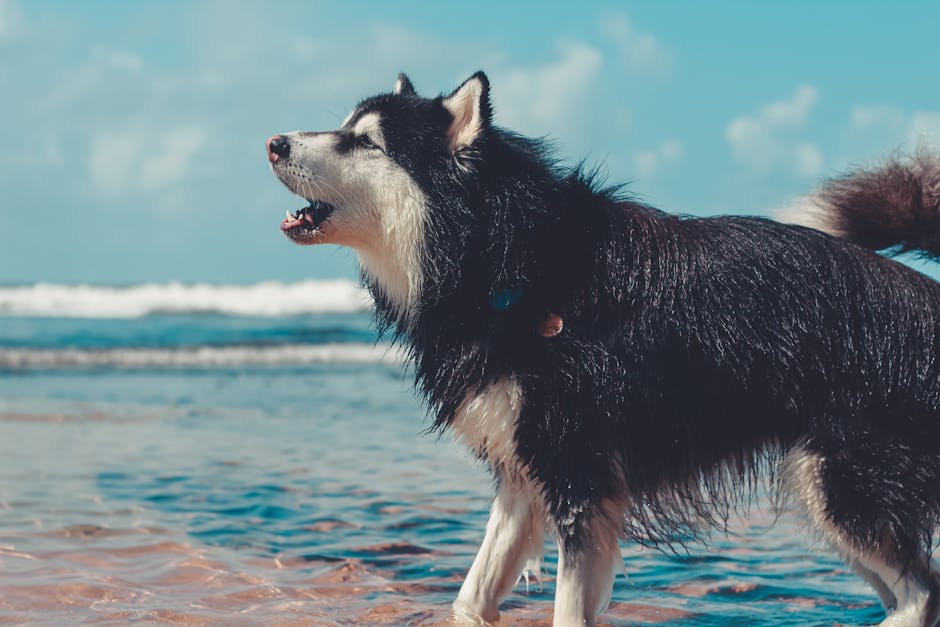
Appearance & Physical Attributes
Siberian Huskies and Alaskan Malamutes are often confused due to their thick double coats, erect ears, and bushy tails. However, there are key physical differences:
- Size & Build: Malamutes are significantly larger, heavier, and more muscular. Huskies are agile and built for speed, while Malamutes are built for heavy hauling.
- Eyes: Huskies commonly have striking blue or heterochromatic eyes; Malamutes have brown eyes only.
- Tail: Malamutes carry their tail high over the back, like a plume; Huskies often curl theirs but not as tightly.
- Coat Pattern: Huskies have more varied coat colors (black, gray, red, sable, etc.) with distinctive facial masks; Malamutes are usually gray, black, or sable with white markings.
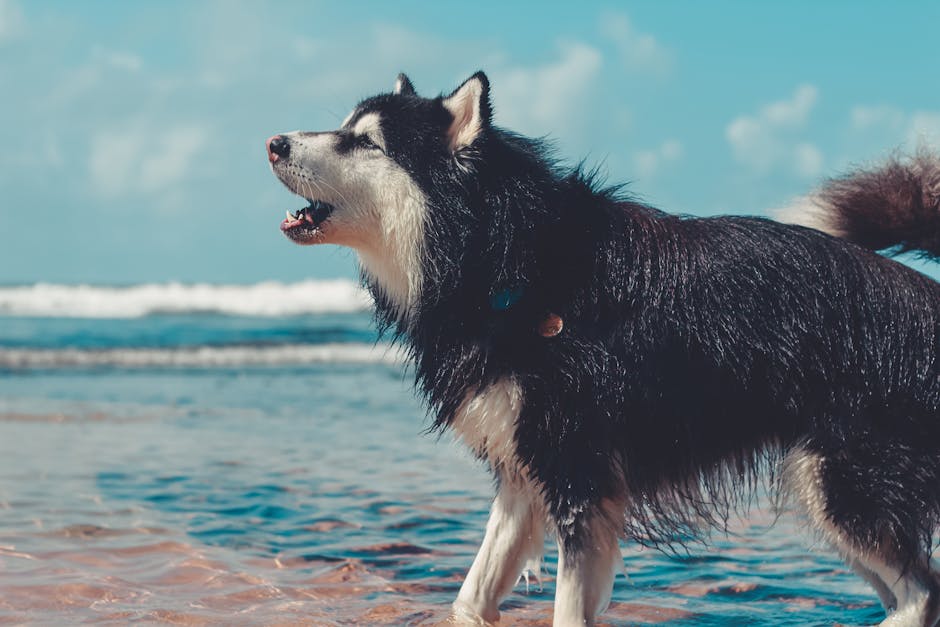
Temperament & Personality
Siberian Husky: The Escape Artist
Huskies are known for their friendly, outgoing, and sometimes clownish nature. They are extremely sociable with people and other dogs, but their independent streak can make training a challenge. They are notorious for their escape attempts—they can dig, jump, and climb fences with ease. Huskies thrive on adventure and are happiest when they have a job to do, like pulling a sled or running alongside a bike.
Alaskan Malamute: The Loyal Giant
Malamutes are dignified, loyal, and deeply devoted to their family. They are more reserved with strangers but not aggressive. Their independence is even stronger than the Husky’s, and they require a confident owner who can provide consistent leadership. Malamutes were bred for heavy work and have a natural “bossiness”—they can be pushy if not properly trained. They are generally quieter than Huskies but can be vocal when they want attention.
Pros & Cons
Siberian Husky
Pros:
- Friendly with everyone—makes a poor guard dog but a great family pet
- Lighter and easier to handle physically
- Excellent running/hiking companion
- Lower tendency to “resource guard” compared to Malamutes
- Energetic and playful well into old age
Cons:
- Very high energy—need at least 1–2 hours of vigorous exercise daily
- Escape artist—requires secure, high fencing
- Can be destructive if bored (chewing, digging)
- Heavy shedder, especially during seasonal blowouts
- Stubborn—obedience training takes patience
Alaskan Malamute
Pros:
- Extremely loyal and protective of family
- Gentle with children when raised properly
- Quiet demeanor—rarely barks
- Impressive strength for pulling/backpacking
- Thick coat provides excellent cold-weather protection
Cons:
- Massive size—needs plenty of space, strong lifting required
- Dominant streak—not recommended for first-time dog owners
- Extreme shedding—daily grooming during coat blow
- Prone to bloat (GDV) due to deep chest
- Can be dog-aggressive (same-sex, especially unneutered males)
- Health problems: hip dysplasia, hypothyroidism, eye issues
Ratings (out of 5 stars)
| Category | Siberian Husky | Alaskan Malamute |
|---|---|---|
| Family Friendliness | ★★★★★ | ★★★★☆ |
| Trainability | ★★★☆☆ | ★★☆☆☆ |
| Exercise Requirements | ★★★★★ (needs lots) | ★★★★☆ (needs a lot but less intense) |
| Grooming Upkeep | ★★☆☆☆ (sheds heavily) | ★☆☆☆☆ (extreme) |
| Health & Longevity | ★★★★☆ (generally healthy, long-lived) | ★★★☆☆ (shorter lifespan, more breed-specific issues) |
| Apartment Suitability | ★★☆☆☆ (only if very active) | ★☆☆☆☆ (needs yard) |
Training & Exercise Needs
Both breeds were developed as working dogs, but their mental and physical requirements differ:
- Husky Training: Positive reinforcement is essential. They get bored with repetitive commands. Use games, variety, and reward-based methods. Crate training helps prevent destructive behavior. Huskies respond well to agility or skijoring.
- Malamute Training: They require firm, consistent, and early socialization. Harsh methods backfire. They excel at weight-pulling sports. Malamutes need a “job” to be happy; without purpose, they become destructive.
Exercise: Huskies need 1–2 hours of high-intensity activity (running, biking, hiking). Malamutes need daily moderate-to-heavy exercise (long walks, pulling, swimming). Both breeds cannot be left to free-run in unfenced areas—their prey drive is strong.
Health Considerations
Siberian Huskies are generally healthy, with fewer genetic issues than many purebreds. Common conditions include hip dysplasia, eye problems (cataracts, progressive retinal atrophy), and hypothyroidism. Alaskan Malamutes are prone to hip dysplasia, elbow dysplasia, bloat, and dwarfism (chondrodysplasia). Regular vet checkups are essential for both.
Recommendations
Choose a Siberian Husky if: You are an active individual or family who can provide daily vigorous exercise, you have a secure yard, you enjoy a dog with a “trickster” personality, and you want a breed that is friendly with everyone.
Choose an Alaskan Malamute if: You are an experienced dog owner, you have space and a property suitable for a large dog, you need a loyal protector, and you can commit to extensive grooming and firm training. Malamutes are better suited for those who want a quiet, dignified companion rather than a high-energy jester.
Conclusion
Both the Siberian Husky and Alaskan Malamute are magnificent breeds with unique charms. The Husky is a smaller, more energetic, and more sociable dog, ideal for owners who love outdoor adventures. The Malamute is a larger, more independent, and more reserved breed that thrives with a confident leader. Neither breed is a couch potato—they demand time, patience, and commitment. But for the right owner, each offers an unparalleled bond.