Huskies are intelligent, independent, and incredibly expressive dogs. While verbal commands work well, many owners discover that hand signals can be even more effective—especially given the husky's keen eyesight and tendency to tune out repetitive words. This comprehensive guide will walk you through everything you need to know about training your husky with hand signals, from the basic why and how to advanced troubleshooting tips.
Why Hand Signals Work So Well for Huskies
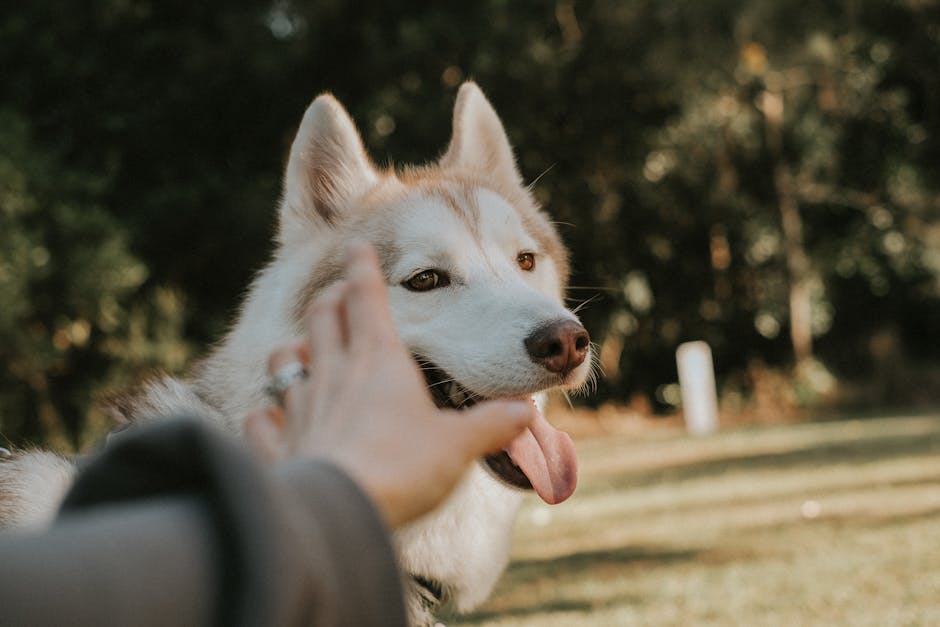
Huskies were bred to work in harsh Arctic conditions where verbal communication could be lost in the wind. Their survival relied on reading subtle body cues from their musher. This genetic predisposition makes them naturally attuned to visual signals. Hand signals cut through distraction, work over long distances, and are important for deaf or hearing-impaired dogs. They also strengthen the bond between you and your husky, as the training process demands focused, two-way communication.
Essential Hand Signals for Every Husky
1. Sit
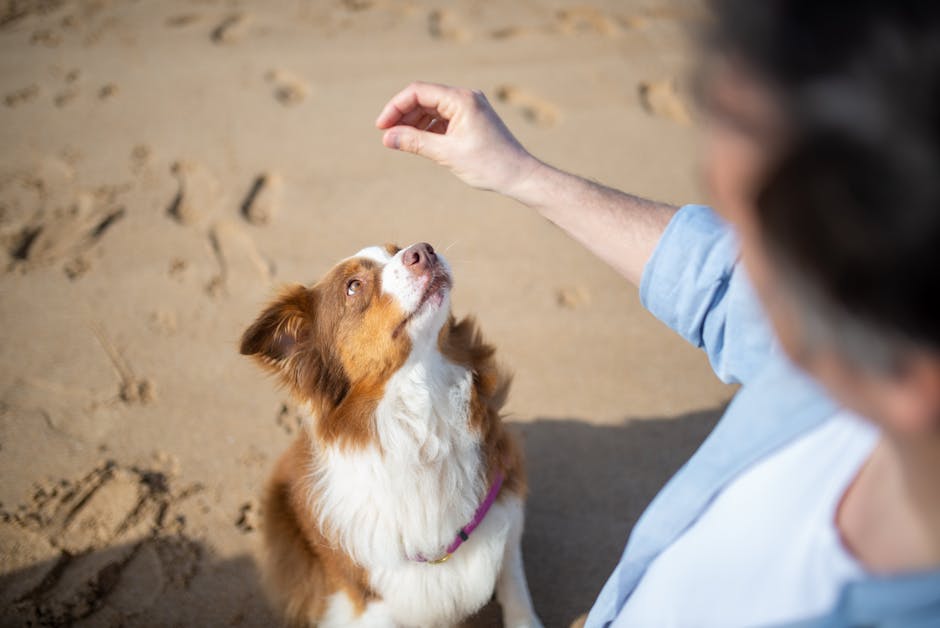
Hold a treat in your hand, palm up, near your husky's nose. Slowly lift your hand upward and slightly back over their head. As their head follows the treat, their rear will naturally lower into a sit. The moment they sit, mark with a yes or clicker and reward. The hand signal itself: flat palm, fingers together, moving upward from waist to shoulder.
2. Down
Start with your husky in a sit. Hold a treat in a closed fist, palm down, and lower your hand straight down to the floor between their front paws. Draw your hand slowly forward along the ground. As they follow, they will lie down. Hand signal: open palm facing downward, moving from chest to ground.
3. Stay
Extend your arm straight out in front of you, palm open and facing your husky (like a stop sign). Accompany with a verbal “stay” initially, then phase out the word. Hold the position for a few seconds before releasing with a cue like “free” or “okay.”
4. Come
Start close. Open your arms wide or pat your thigh while making eye contact. The most universal cue: arm extended to the side at shoulder height, then sweep it across your chest as if hugging yourself. Reward generously when they approach.
5. Heel
Pat your left hip (or right, if you prefer that side) with your hand. This tells the dog to walk close beside you. For more precision, use a finger point to the ground beside your foot.
Step-by-Step Training Process
Step 1: Choose Your Signals
Decide on a set of clear, distinct hand signals. Avoid using signals that look too similar (e.g., “sit” and “stay” should use different hand shapes). Write them down and be consistent.
Step 2: Pair the Signal with a Verbal Cue
Huskies learn best through association. For the first week, always say the verbal command before giving the hand signal. For example, say “sit” then immediately show the hand signal. Once your dog’s head follows the signal, they perform the action. Reward.
Step 3: Fade the Verbal Cue
After your husky reliably responds to the verbal+signal combo, begin giving the hand signal only. If they hesitate, wait a few seconds then repeat the verbal cue. Gradually increase the delay until you can use just the signal. The goal is a dog that responds to the visual cue alone.
Step 4: Add Distance and Distractions
Start practicing in a quiet room, then move to the backyard, then to a park. Use a long leash initially. Increase the distance between you and your dog. If they fail, go back a step until they succeed consistently.
Training Table: Common Commands & Hand Signals
| Command | Hand Signal | Tip |
|---|---|---|
| Sit | Palm up, raise hand from waist to chest | Keep the movement slow to avoid startling |
| Down | Palm down, lower hand to ground | Sweep hand forward along floor |
| Stay | Open palm facing dog, hold steady | Use a stop sign gesture |
| Come | Arm sweep across chest | Make it inviting—lean back slightly |
| Heel | Tap hip or point to ground beside foot | Use a treat to lure into position first |
Troubleshooting Common Issues
My Husky Ignores the Signal When Excited
Huskies have a high prey drive and can become overstimulated. Practice in low-distraction environments first. Use high-value treats (like boiled chicken or cheese) to regain focus. Keep training sessions short—5 to 10 minutes—and end on a success.
The Dog Responds Only When I Have a Treat
This is typical in early stages. Slowly increase the time between the signal and the reward. Use variable reinforcement: reward sometimes with treats, sometimes with praise or play. Over time, your husky will learn that compliance always brings something good, even if not always food.
Two Different Hand Signals Look Too Similar
Revise your signals. For example, use a closed fist for “down” and an open palm for “stay.” Test them yourself in front of a mirror. If they look alike to you, they will confuse your dog.
Tips for Training Success
- Be consistent – Use the exact same hand motion every time. Family members must use the same signals.
- Use marker words – A clicker or a short word like “yes” tells your dog exactly when they did the right thing.
- Practice in short bursts – Huskies get bored easily. Three 5-minute sessions per day are better than one 15-minute session.
- Always end positively – Finish with a command your husky knows well, reward, then release with play.
- Incorporate hand signals into daily life – Use “sit” before meals, “stay” before opening doors, and “come” during recall games. Real-life practice reinforces the training.
Conclusion
Training your husky with hand signals is a powerful way to communicate, especially in noisy situations or at a distance. Their natural visual intelligence makes them quick learners. With patience, consistency, and the clear steps outlined here, you’ll have a husky that responds not only to your voice but to the slightest gesture. Start today and enjoy a deeper connection with your loyal companion.