Siberian Huskies are known for their striking looks, independent spirit, and high energy. However, their intelligence and strong prey drive can sometimes manifest as reactive behavior—barking, lunging, or growling at other dogs, people, or stimuli. Managing a reactive Husky requires patience, consistent training, and an understanding of the breed's unique temperament. This comprehensive guide will walk you through the causes, prevention, and step-by-step training strategies to help your Husky become more calm and confident.
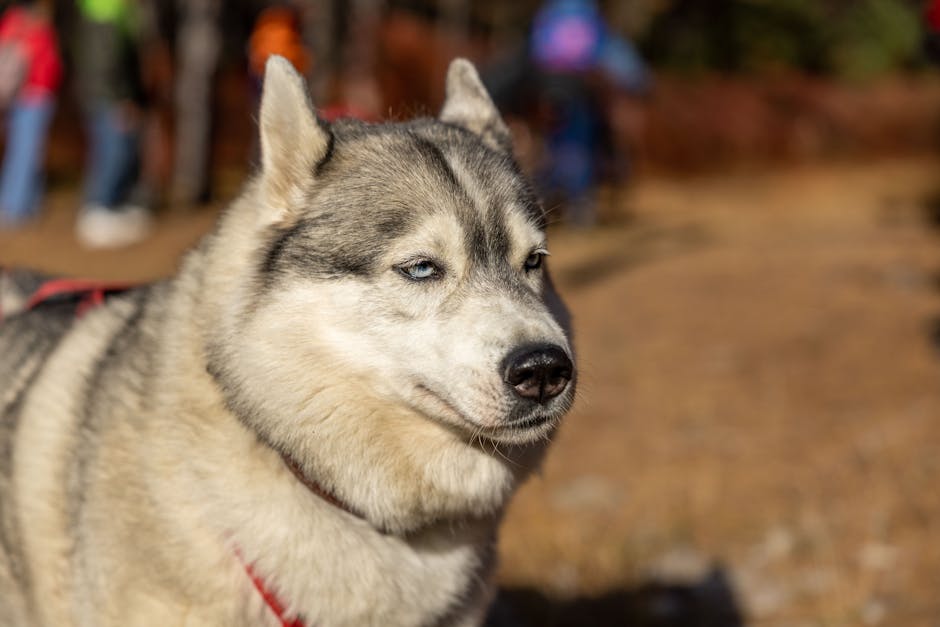
What is Reactivity in Huskies?
Reactivity is an exaggerated response to a stimulus, often rooted in fear, frustration, or overexcitement. Unlike aggression (which intends harm), reactive behavior is usually a communication of discomfort. In Huskies, this can manifest as:
- Lunging and barking at other dogs during walks
- Growling or snapping when approached by strangers
- Excessive arousal at sounds like doorbells or traffic
- Chasing moving objects (bikes, squirrels, cars)
Because Huskies were bred to work in packs and pull sleds over long distances, they have high stamina and react quickly to environmental changes. Their independent nature also means they may not automatically look to you for guidance, making reactivity training essential.
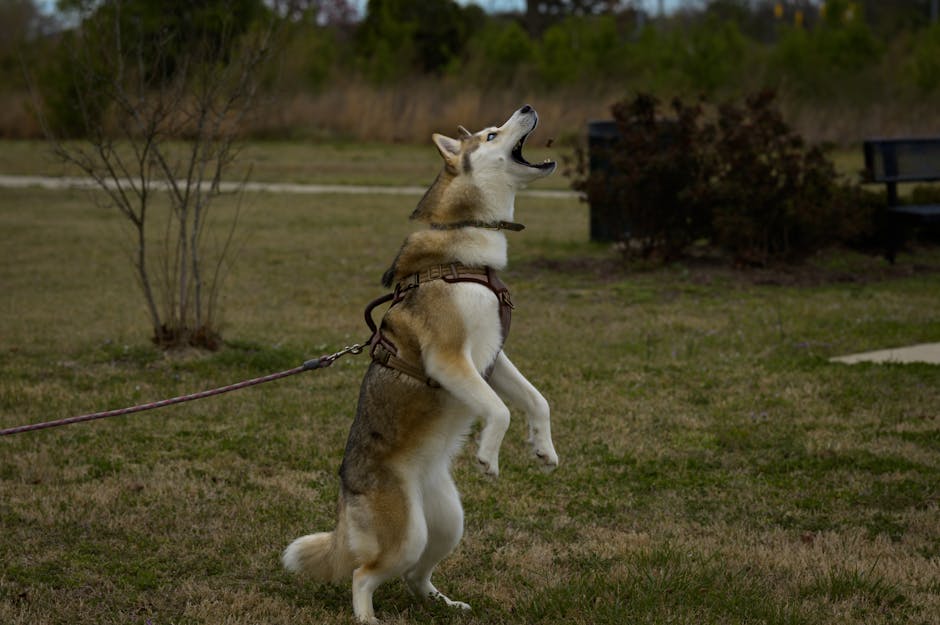
Common Triggers for Reactive Huskies
Identifying your Husky's triggers is the first step toward management. Common triggers include:
- Other dogs: On-leash encounters are especially problematic because the leash prevents natural social rituals.
- Strangers: Some Huskies are wary of unfamiliar people, especially if they approach quickly or make direct eye contact.
- Sudden noises: Fireworks, thunder, construction sounds can startle a sensitive Husky.
- Fast movement: Bicycles, skateboards, runners trigger the prey drive.
- Territorial intrusions: People or animals approaching your home or yard.
Keep a trigger journal for a week—note what caused the reaction, the intensity, and the environment. This data will inform your training plan.
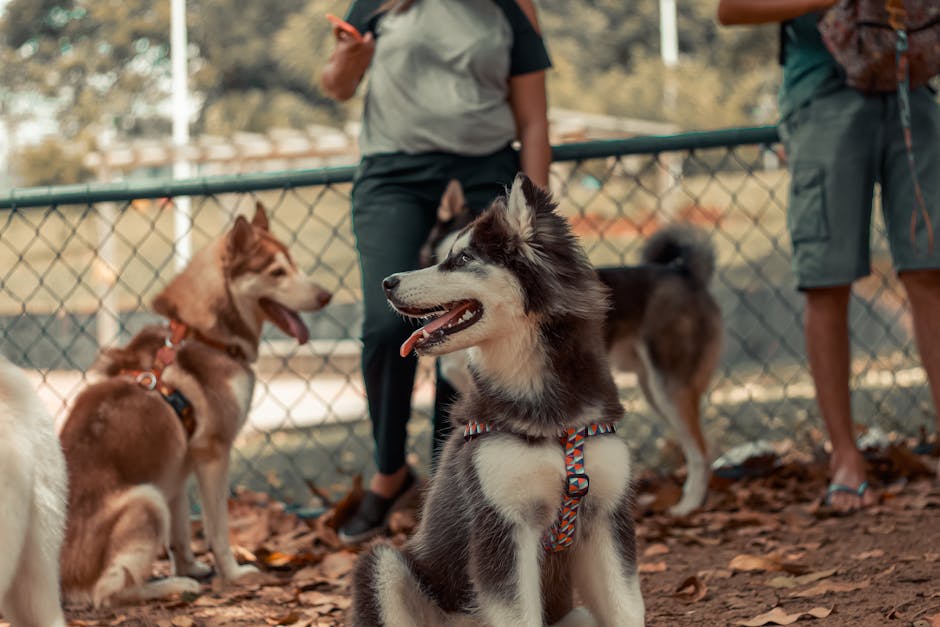
How to Prevent Reactivity in Huskies
Prevention is always better than cure. For puppy owners or those with a young Husky, these practices build a solid foundation:
- Early socialization: Expose your Husky to a variety of people, dogs, surfaces, and sounds in a positive way before 16 weeks of age.
- Impulse control games: Teach “leave it,” “wait,” and “stay” to build self-control.
- Structured walks: Use a front-clip harness and keep walks predictable. Avoid high-traffic times initially.
- Energy management: A tired Husky is less reactive. Ensure at least 60 minutes of aerobic exercise daily (runs, hikes, or bikejoring).
- Mental stimulation: Puzzle toys, nose work, and training sessions prevent boredom-fueled reactivity.
Step-by-Step Training Plan for Reactive Huskies
If your Husky is already reactive, follow these steps. Each session should be short (5–10 minutes) to avoid flooding.
Step 1: Management and Safety
Before any training, manage the environment to prevent rehearsals of reactive behavior. Use:
- A front-clip harness for better control without choking
- Muzzle training if there is any risk of biting (always positive association)
- Barriers (baby gates, curtains) to block visual triggers at home
- Walk at quiet times and avoid trigger-rich areas initially
Step 2: Counterconditioning and Desensitization (CC&D)
This is the core of reactivity training. The goal is to change your Husky's emotional response from negative (fear/excitement) to positive (calm/expectation of treats).
- Find a trigger distance where your Husky notices the stimulus but does not react (sub-threshold).
- Each time the trigger appears, feed high-value treats (chicken, cheese).
- When the trigger disappears, stop the treats.
- Over days/weeks, gradually decrease the distance by a few feet.
Example: If your Husky reacts to other dogs at 50 feet, start CC&D at 100 feet. Mark and treat every time another dog appears at that distance.
Step 3: Engage-Disengage Game
This builds a default behavior: look at the trigger, then look back at you for a treat.
- At a safe distance, when your Husky notices the trigger, say “yes” as soon as they glance at you (even if just for a split second).
- Treat.
- Gradually wait for a clear “check-in” before marking. The dog learns: trigger = look at owner = reward.
Step 4: Calm Behavior Reinforcement
Reinforce any calm behavior around triggers. If your Husky sits, lies down, or offers a relaxed posture, reward heavily. Use a marker word like “calm” or “good.” Avoid punishing reactive outbursts—they are emotional responses, not defiance.
Step 5: Professional Help
If your Husky’s reactivity is intense (lunging, biting, shutting down), work with a certified behaviorist (e.g., IAABC, CCPDT). They can create a custom plan and may recommend tools like a head halter or anxiety medication in severe cases.
Tools and Equipment for Reactive Huskies
Invest in quality gear that supports training:
| Tool | Purpose | Notes |
|---|---|---|
| Front-clip harness (e.g., Ruffwear Front Range) | Gives you steering control without pressure on the neck | Prevents triggering a collar-reactive dog |
| Long line (15–30 ft) | Allows safe distance work in open areas | Use in fenced areas only |
| Treat pouch | Quick access to rewards | Fill with high-value soft treats |
| Basket muzzle | Safety for the dog and others during hot spots | Must be positively conditioned |
| Portable visual barrier (like a fabric shield) | Blocks visual triggers when needed | Useful in urban environments |
What Not to Do with a Reactive Husky
- Do not yell or punish: Punishment increases fear and can escalate reactivity to aggression.
- Do not force interactions: Allow your Husky to choose distance. Never push them face-to-face with a trigger “to get used to it.”
- Do not use prong or shock collars: These can cause pain and worsen reactivity, especially in a sensitive breed like the Husky.
- Do not flood: Overwhelming exposure (e.g., taking your reactive Husky to a busy dog park) can cause trauma and regression.
- Do not expect quick fixes: Changing deep-rooted emotional responses takes weeks to months. Celebrate small wins.
Conclusion
Managing a reactive Husky is a challenging but rewarding journey. By understanding the breed’s instincts, using positive reinforcement, and following a structured desensitization plan, you can help your Husky feel safer and more relaxed. Remember that progress is not linear—some days will be harder than others. Stay consistent, seek professional support when needed, and always prioritize your Husky’s emotional well-being. With patience and love, your reactive Husky can learn to navigate the world with confidence.