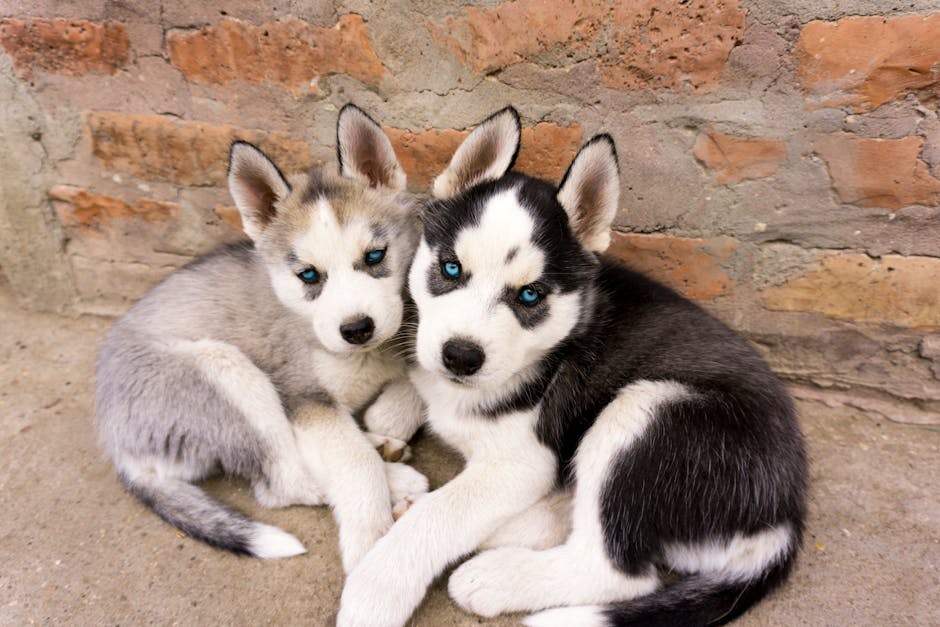
Introduction to Husky Training for First-Time Owners
Bringing a Siberian Husky into your home as a first-time dog owner is an exciting and rewarding experience. However, Huskies are known for their independent spirit, intelligence, and stubbornness—traits that can pose unique training challenges. This comprehensive guide will walk you through everything you need to know about husky training for first time owners, from basic obedience to advanced behavior management. With patience, consistency, and the right techniques, you and your Husky can build a strong, trusting bond.
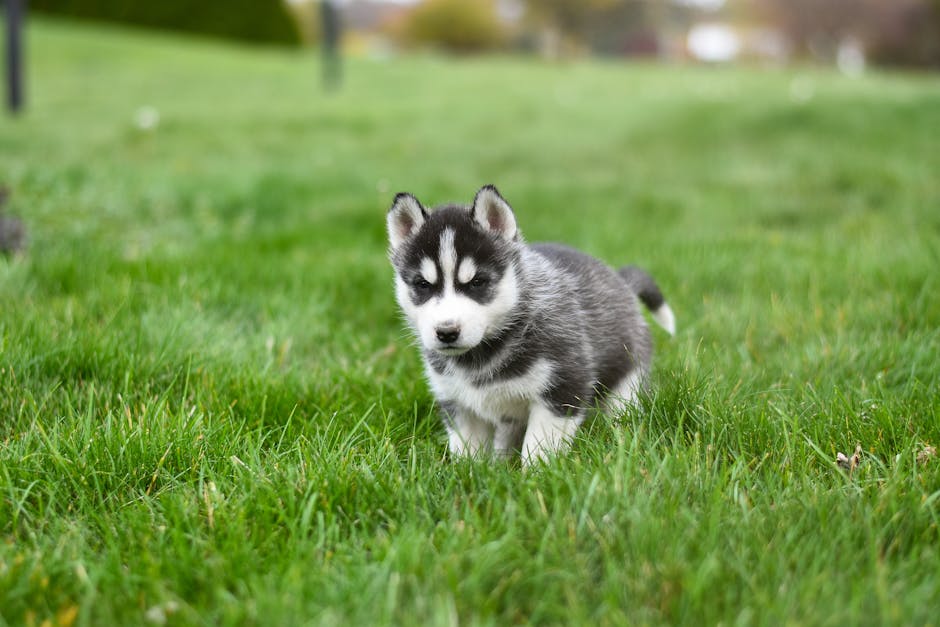
Understanding the Husky Mindset
Before diving into training, it’s important for understand what makes a Husky tick. Bred as sled dogs, they are highly energetic, intelligent, and pack-oriented. They are not natural “pleasers” like Labrador Retrievers; instead, they often question commands and seek to negotiate. Recognizing this will help you approach training with empathy and realistic expectations.
Key Traits That Affect Training
- Independence: Huskies were bred to make decisions on their own while pulling sleds. This means they may decide not to listen if they see no benefit.
- High Energy: A tired Husky is a well-behaved Husky. Without adequate exercise, training sessions become frustrating.
- Stubbornness: They will test boundaries repeatedly. Consistency is non-negotiable.
- Vocalization: Huskies are known for “talking” – howling, whining, and barking. Training must include teaching quiet cues.
- Strong Prey Drive: They may chase small animals. Recall training is critical.

Essential Training Foundations for First-Time Owners
Start with these core principles to set your Husky up for success. Avoid common mistakes like skipping socialization or using harsh corrections.
1. Start Early – But It’s Never Too Late
Puppyhood (8–16 weeks) is ideal for socialization and basic commands. However, adult Huskies can still learn with patience. Focus on building trust first.
2. Use Positive Reinforcement Only
Huskies respond poorly to punishment. Reward desired behaviors with high-value treats (cheese, chicken, or freeze-dried liver) and enthusiastic praise. Avoid shouting or physical corrections; they will only make your Husky more stubborn or fearful.
3. Keep Training Sessions Short and Fun
Huskies have short attention spans. Limit sessions to 5–10 minutes, 2–3 times per day. End on a positive note to keep them eager for the next session.
4. Consistency and Routine
Use the same verbal cues and hand signals every time. All family members must follow the same rules. Huskies love routine – regular training times help them anticipate and focus.
Basic Commands Every Husky Should Know
Master these fundamentals before moving to advanced tasks.
| Command | Training Tip | Common Challenge |
|---|---|---|
| Sit | Hold treat above nose, move back over head. As butt hits floor, say “Sit” and reward. | Husky may back up instead of sitting. Try against a wall. |
| Stay | Start with short durations (1–2 seconds) and gradually increase. Use hand signal (palm out). | Husky may break stay early. Never release them from stay; always release with a cue like “Free.” |
| Come | Use a long leash in a safe area. Say “Come” in a happy tone, then reward heavily when they reach you. | Prey drive overrides recall. Practice indoors first, then in low-distraction environments. |
| Leave It | Place treat on floor under your hand. Say “Leave it.” When they stop trying, reward from your other hand. | Husky may be obsessed with the treat. Use a less exciting object initially. |
| Drop It | Trade a high-value treat for whatever is in their mouth. Say “Drop it” as they release. | Husky may guard toys. Never pry mouth open; trade instead. |
Socialization: The Key to a Well-Rounded Husky
Huskies are generally friendly but can develop fear or aggression without proper socialization. Expose your Husky to different people, dogs, environments, sounds, and surfaces during puppyhood. Continue socializing throughout life.
Tips for Successful Socialization
- Enroll in a reputable puppy kindergarten class.
- Arrange playdates with calm, vaccinated dogs.
- Visit pet-friendly stores, parks, and busy streets.
- Encourage meeting strangers; ask them to offer treats.
- Never force interaction. Let your Husky approach at their own pace.
Crate Training and Housetraining
Crate training provides a safe den for your Husky and aids in housetraining. Huskies are clean animals and will avoid soiling their sleeping area if confined properly.
Step-by-Step Crate Training
- Place the crate in a family area. Leave the door open and toss treats inside.
- Feed meals inside the crate with the door closed for short periods.
- Gradually increase crate time after your Husky is comfortable.
- Never use the crate as punishment.
Housetraining Schedule
Take puppy out first thing in the morning, after meals, after naps, and every 1–2 hours. Reward immediately after elimination outside. Expect accidents – clean with enzymatic cleaner to prevent repeat marking.
Dealing With Common Husky Behavior Problems
Even with consistent training, Huskies may exhibit challenging behaviors. Here’s how to address them.
Excessive Howling and Vocalization
Huskies howl to communicate. If it becomes problematic, teach a “Quiet” command. When they howl, wait for a brief silence, then say “Quiet” and reward. Use a shock-free remote training device if needed (vibrate or sound).
Digging
Provide a designated digging area (sandbox) and bury toys. Increase exercise and mental stimulation – a bored Husky digs. Block off garden beds with fencing.
Chewing and Destructive Behavior
Huskies need to chew. Offer several safe chews (Kong, Nylabone, bully sticks). Rotate toys to maintain interest. When caught chewing furniture, redirect to a chew toy and praise. Ensure your Husky gets enough physical exercise (minimum 1 hour of vigorous activity daily).
Escaping and Running Off
Huskies are notorious escape artists. Secure your yard with high fences (at least 6 feet) that are buried at the bottom to prevent digging out. Always use a leash when outside a secure area. Invest in a GPS tracker for extra safety.
Advanced Training for a Well-Behaved Husky
Once your Husky has mastered basics, move on to more advanced skills to keep them mentally challenged.
Loose-Leash Walking
Use a front-clip harness to reduce pulling. Stop and stand still when your Husky pulls. Only move forward when the leash is loose. Reward walking by your side frequently. Practice in low-distraction areas first.
Reliable Recall (Emergency Come)
Train with a long line. Call your Husky in a high-pitched, excited voice. When they come, reward with jackpot treats. Practice in different environments gradually increasing distance and distractions.
Tricks and Mental Stimulation
Huskies love learning tricks like “spin,” “play dead,” or “fetch a specific toy.” Use shaping (reward small approximations) to teach complex behaviors. Puzzle toys and nose work games also tire out their active minds.
Hydration, Exercise, and Training Success
No amount of training will work if your Husky is not physically and mentally fulfilled. A typical Husky needs 1–2 hours of exercise daily, split into walks, runs, bikejoring (if safe), or hiking. Mental stimulation is equally important – training sessions, food puzzles, and interactive games can prevent boredom-related misbehavior.
When to Seek Professional Help
If you encounter persistent issues like resource guarding, severe anxiety, or aggression, consult a certified positive-reinforcement dog trainer or veterinary behaviorist. First-time owners can greatly benefit from group classes or private sessions. Don’t wait until problems escalate.
Conclusion
Husky training for first time owners is a journey of patience, understanding, and consistency. By leveraging positive reinforcement, early socialization, and meeting your Husky’s exercise needs, you can guide them to become a well-mannered companion. Remember, your Husky isn’t being difficult – they’re simply being a Husky. Embrace their unique personality, and you’ll both enjoy a beautiful relationship for years to come.