Training your Siberian Husky in hot weather requires careful planning and a deep understanding of your dog's unique physiology. Huskies are bred for cold climates, with a thick double coat that makes them prone to overheating in warm temperatures. However, with the right strategies, you can maintain effective training sessions while keeping your husky safe and comfortable. This guide covers everything you need to know about husky training in hot weather, from timing and location to hydration and cooling techniques.
Understanding Your Husky's Heat Sensitivity
The Double Coat and Heat Regulation
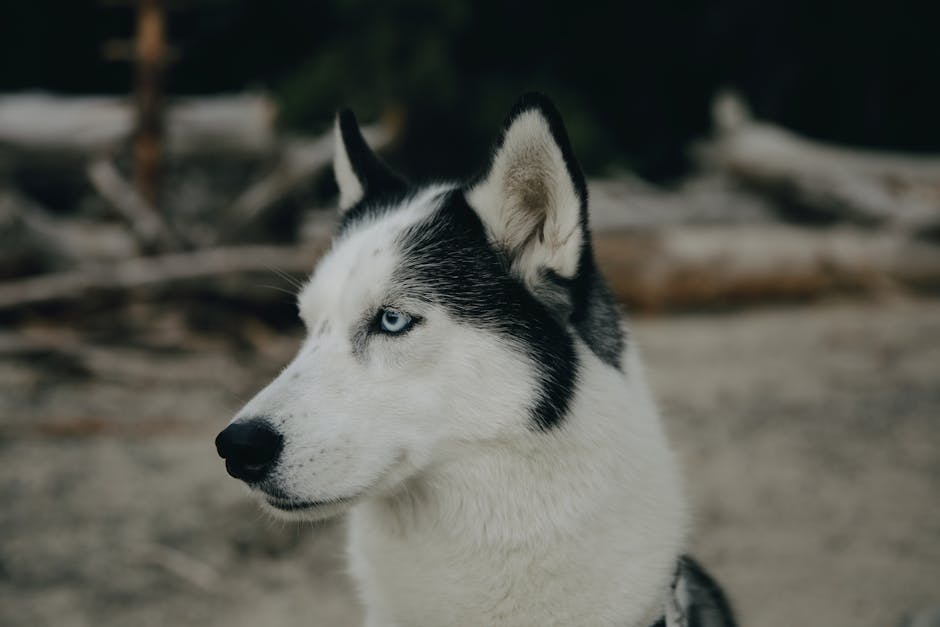
A Siberian Husky's double coat consists of a dense undercoat and longer guard hairs. While this coat insulates against cold, it also traps heat in warm weather. Unlike humans, dogs don't sweat through their skin—they rely on panting and limited sweat glands in their paw pads. This makes heat dissipation less efficient, especially for a breed built for Arctic conditions.
Signs of Overheating
Recognize early warning signs of heat stress: excessive panting, drooling, bright red gums, lethargy, disorientation, or stumbling. If your husky shows any of these, stop training immediately and move to a cool area. Severe overheating can lead to heatstroke, which is life-threatening.
Best Times of Day for Training
Early Morning Sessions
The hours just after sunrise (around 5–7 a.m.) offer the coolest temperatures and lower humidity. Ground surfaces are still cool, reducing the risk of paw pad burns. Start your training routine early to take advantage of the comfortable conditions.
Late Evening Sessions
Similarly, after sunset (8–10 p.m.) temperatures drop significantly. Evening walks and training can be just as effective. Ensure good visibility with reflective gear or a flashlight.
Avoiding Midday Heat
Never train between 10 a.m. and 4 p.m. during summer. The sun is strongest, and pavement can reach temperatures over 120°F (49°C). Heat rises throughout the day, making this period dangerous for huskies.
Training Location and Surface Considerations
Shaded Areas
Choose parks with dense tree cover, forest trails, or yards with awnings. A shaded environment reduces direct sun exposure and keeps the ambient temperature lower. If you don't have natural shade, invest in a portable canopy or train under a covered patio.
Avoiding Hot Pavement
Before walking your husky on concrete or asphalt, place the back of your hand on the surface for 5 seconds. If it's too hot for your hand, it's too hot for your dog's paws. Opt for grass, dirt, or rubberized training surfaces. Consider booties for protection during necessary pavement crossings.
Hydration Strategies
Pre-Training Hydration
Ensure your husky is well-hydrated before any training session. Offer fresh, cool water 30 minutes prior. Avoid giving too much water immediately before exercise to prevent bloating.
Portable Water Solutions
Carry a collapsible water bowl and a insulated water bottle. Offer small amounts every 10–15 minutes during training. Some huskies prefer to drink from a squirt bottle—train them to accept it for quick hydration.
Electrolyte Balance
In extreme heat, add a canine electrolyte supplement (like Vet Classics Canine Electrolyte Solution) to the water. Do not use human sports drinks—they contain sugar and artificial ingredients harmful to dogs.
Modified Training Techniques for Hot Weather
Shorter, More Frequent Sessions
Break training into 5–10 minute bursts with longer rest periods in between. For example, do 3 sessions of 8 minutes each with 15-minute breaks. This prevents overheating while maintaining focus.
Focus on Mental Stimulation
Hot days are perfect for mental exercises: puzzle toys, scent work, or basic obedience drills that don't require heavy physical exertion. Teach new commands like 'place' or 'mat' using only hand signals—this keeps the brain active without raising body temperature.
Water-Based Training Activities
Incorporate swimming or wading pools. A kiddie pool with a few inches of cool water allows your husky to splash while learning retrieval or 'paw' commands. Always supervise water play and dry your dog's ears afterward to prevent infections.
Essential Cooling Gear and Tools
| Product Type | How It Works | Recommended For |
|---|---|---|
| Cooling Vest | Evaporative cooling through water-activated fabric | Long walks, jogging |
| Cooling Mat | Pressure-activated gel stays cool for hours | Rest breaks, car rides |
| Cooling Bandana or Neck Wrap | Soak in water, wring, and tie around neck | Quick cooling on the go |
| Portable Fan with Mister | Battery-operated fan with water mist | Stationary training areas |
Always test any gear on a small area of your husky's skin first to avoid irritation. Wash cooling items regularly per manufacturer instructions.
Recognizing and Preventing Heatstroke
Emergency First Aid Steps
If your husky collapses, has difficulty breathing, or vomits, move them to shade immediately. Pour cool (not ice-cold) water over their body—especially the head, neck, and groin. Offer small amounts of water if they are conscious. Fan them vigorously. Transport to a veterinarian as soon as possible. Heatstroke can cause organ failure, so every minute counts.
Prevent heatstroke by never leaving your dog in a parked car, even with windows cracked, and by monitoring humidity levels. High humidity impairs evaporative cooling through panting.
Nutrition and Diet Adjustments
In hot weather, your husky may eat less due to heat stress. Offer meals in the cooler parts of the day. Add a little wet food or bone broth to increase moisture intake. Avoid high-protein treats that can increase metabolic heat—instead, use frozen blueberries, green beans, or ice cubes with low-sodium chicken broth as training rewards. Keep an eye on weight, as some huskies lose appetite in summer.
Seasonal Training Alternatives
When temperatures soar, consider indoor training: set up an obstacle course in a basement or air-conditioned room, practice 'stay' and 'come' drills, or use a treadmill (with supervision). Doggy daycares with indoor facilities are another option for socialization and controlled exercise. huskies still need mental and physical outlets—adapt, don't skip.
By respecting your husky's limits, using proper cooling methods, and adjusting your training schedule, you can continue building a strong bond and reinforcing commands even during the hottest months. Your husky will thank you with a wagging tail and a healthy, happy demeanor.