Training a Siberian Husky requires patience, consistency, and a clear understanding of their independent and intelligent nature. Huskies were bred to pull sleds over vast distances, making them both highly trainable and stubbornly self-reliant. To build a strong foundation of obedience and safety, every Husky owner should master these ten basic commands. Each command is a building block that strengthens your bond, prevents unwanted behaviors, and keeps your Husky safe in various situations. Below, we break down each command step by step, with practical tips tailored to the Husky mindset.
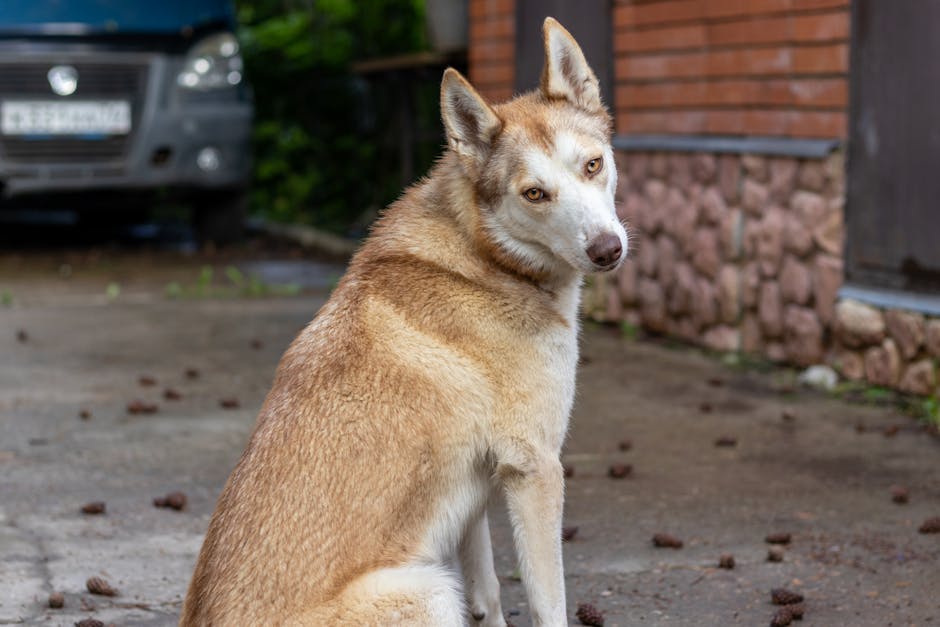
1. Sit
The "Sit" command is the cornerstone of all training. It teaches your Husky to control impulses and focus on you, which is especially important for a breed that can easily get distracted by sights, sounds, or scents.
How to Train
- Hold a treat close to your Husky’s nose and slowly move it upward and slightly back over their head. As they follow the treat, their bottom will naturally lower into a sitting position.
- The moment they sit, say “Sit” and immediately reward with the treat and praise.
- Repeat 5–10 times per session, gradually extending the duration before rewarding. Aim for a 1–2 second hold initially.
- Once reliable, practice in different locations with mild distractions (like the backyard or a quiet park).
Husky-Specific Tip
Huskies get bored easily. Keep sessions short (3–5 minutes) and use high-value treats like small pieces of cheese or freeze-dried liver. If your Husky refuses to sit, they may be testing you—stay patient and never push their hips down, as this can cause aversion.
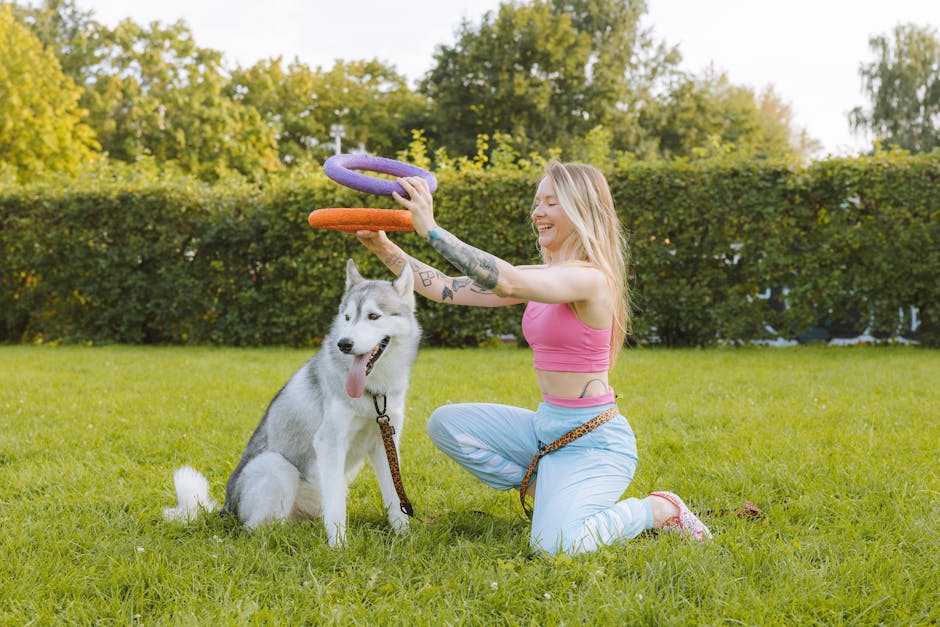
2. Stay
“Stay” is a life-saving command that teaches impulse control and prevents your Husky from bolting into danger. Given their prey drive, a solid stay can stop them from chasing a squirrel into traffic.
How to Train
- Start with your Husky in a “Sit” position. Open your palm toward them and say “Stay” in a firm, calm voice.
- Take one step back. If they remain seated, return immediately and reward. If they move, gently guide them back to the original spot and try a shorter distance.
- Gradually increase the distance (2 steps, 5 steps) and duration (seconds up to a minute). Always return to them before releasing with a release word like “Okay” or “Free.”
- Practice in low-distraction environments first, then slowly add challenges like a toy nearby or another person walking by.
Common Mistake
Rushing the process. Huskies are independent; they need to understand that staying is more rewarding than moving. Never call them from a stay—always return to reward. This prevents the urge to break early.
3. Come
The recall command is arguably the most important for a Husky owner. Because of their wandering nature, a reliable “Come” ensures you can call them back even when they’re off-leash—assuming it’s legal and safe.
How to Train
- Start indoors or in a fenced area. Use an excited tone and say “Come!” while backing away and clapping or slapping your leg.
- When your Husky reaches you, reward lavishly with treats and enthusiastic praise. Make coming to you the best thing ever.
- Practice with a long leash (15–30 feet) in a safe outdoor space. Let them explore, then call. If they don’t respond, give a gentle tug and repeat the command.
- Never punish them after they come—even if they took a long time. Punishment will make them associate coming with negative consequences.
Husky Note
Huskies are notorious for selective hearing. Use a special, high-pitched tone or even a whistle for recall. Always reward with something extra special (like a piece of hot dog) to make it irresistible. Avoid calling them for things they dislike (like bath time).
4. Down
“Down” teaches calmness and submission, which can be useful during meal times, vet visits, or when guests arrive. However, many Huskies find this position vulnerable, so patience is key.
How to Train
- Start with your Husky in a “Sit.” Hold a treat in your closed fist and lower it to the ground directly between their front paws. Move it slowly away from them along the floor.
- As they follow the treat, their elbows will drop. The moment they lie down completely, say “Down” and give the treat.
- If they only go halfway, gently lure further. Never push on their back.
- Gradually wean off the lure by using a hand signal (palm flat, moving down) and rewarding after the down.
Troubleshooting
Some Huskies will “pop up” immediately after lying down. Stay calm, keep the treat close to the floor, and reward only when they hold the position for at least 2 seconds. Build duration slowly.
5. Heel
Heel means walking calmly beside you without pulling. Huskies are natural pullers thanks to their sled-dog heritage, so this command is important for enjoyable walks.
How to Train
- Start indoors without a leash. Hold a treat at your left hip and say “Heel.” Take one step forward. If your Husky follows without rushing ahead, reward immediately.
- Gradually increase steps while keeping their focus on your hand. Once they understand, add the leash and practice in a quiet outdoor area.
- Use a front-clip harness to reduce pulling. If they lunge, stop moving and wait until they return to your side. Then resume.
- Practice “turns” to keep them guessing: change direction frequently so they must pay attention to your movements.
Why It’s Hard for Huskies
Pulling is instinctive. You are competing with thousands of years of genetics. Use high-value treats (turkey, cheese) and keep sessions short. A well-trained heel might take months—be consistent.
6. Leave It
This command tells your Husky to ignore something they are interested in—whether it’s a dropped pill, dead bird, or another dog’s toy. It’s a safety command that prevents poisoning or conflict.
How to Train
- Hold a treat in your closed fist. Let your Husky sniff and lick it. Say “Leave it” and keep your fist closed. When they stop trying and back away (even for a second), mark with “Yes” and reward with a different treat from your other hand.
- Progress to placing a treat on the floor under your foot or palm. Repeat “Leave it” and cover it if they lunge. Reward when they look at you instead.
- Practice with more valuable items (a piece of hot dog on the ground) while on a leash. Reward for ignoring and looking at you.
Husky Application
Huskies have a strong scavenging instinct. Use this command during walks to prevent them from eating something dangerous. Always pair “Leave it” with a treat reward to make ignoring more profitable.
7. Drop It
“Drop It” is important for when your Husky grabs something they shouldn’t—your shoe, a rock, or a kid’s toy. It prevents resource guarding and destructive chewing.
How to Train
- Start with a low-value toy they like but aren’t obsessed with. Play tug gently, then hold a high-value treat near their nose. As they open their mouth to sniff/take the treat, say “Drop it” and reward when they release the toy.
- Gradually increase the value of the item they are holding (from a toy to a sock) and practice in different locations.
- Never chase or pry open their mouth—that encourages guarding. Trade for something better every time.
Important for Huskies
Huskies can be mouthy and love to carry things. Teaching “Drop it” early prevents them from claiming items as their own. If they ever grab something dangerous (like a chicken bone), stay calm and trade with a high-value treat.
8. Wait
“Wait” is different from “Stay” in that it’s a temporary pause—like at doorways, before getting out of the car, or before crossing a street. It teaches patience and respects thresholds.
How to Train
- Approach a closed door with your Husky on a leash. Place your hand in front of their nose and say “Wait.” Open the door a few inches. If they try to push through, close the door slightly and repeat “Wait.”
- When they pause (even for a split second), mark and reward. Increase the duration and door opening size gradually.
- Once reliable indoors, practice at exit doors, then at the car door or gate.
Why It Works
Huskies tend to bolt out of doors. The “Wait” command creates a habit of checking with you before moving forward. Always release them with a cue like “Okay!” or a short leash tug.
9. Off
“Off” teaches your Husky to keep all four paws on the floor. It’s different from “Down” (which is about lying down). Use “Off” when they jump on people, counters, or furniture.
How to Train
- When your Husky jumps up on you, turn your back and cross your arms. Ignore them completely. Say “Off” in a flat tone. The moment they have all four paws on the floor, turn around and reward calmly.
- For counter surfing: place a treat on the counter edge. When your Husky reaches, say “Off” and lure them away with a treat from your hand. Reward for staying away.
- Be consistent: every family member must use the same rule. No one should allow jumping, no matter how small the Husky is.
Husky Challenges
Huskies are agile and may jump out of excitement. The key is to never reward the jump—even negative attention (pushing, yelling) can be reinforcing. Only reward the calm state.
10. Place
The “Place” command sends your Husky to a designated mat, bed, or crate and requires them to stay until released. It’s extremely useful for managing hyperactive behavior, greeting guests, or simply having a calm down space.
How to Train
- Choose a portable mat or dog bed. Lure your Husky onto it with a treat. The moment all four paws are on the mat, say “Place” and reward.
- Gradually increase the time they stay on the mat (from 1 second to 30 seconds). Use a release word like “Free” to end the exercise.
- Once they understand the mat, add distance: walk a few steps away, return, and reward if they stay. Build up to longer distances and duration.
- Practice with distractions—like another person walking by or a toy thrown nearby. Reward for remaining on the mat.
Husky Benefit
Huskies need a job. The Place command gives them a clear, calm job to do when visitors arrive or when you need them settled. Pair it with a chew toy or stuffed Kong to make the mat a positive spot.
Quick Reference Command Summary
| Command | Purpose | Husky-Specific Challenge | Training Tip |
|---|---|---|---|
| Sit | Impulse control, focus | Boredom, stubbornness | Use high-value treats, keep sessions short |
| Stay | Safety, patience | Wanderlust, prey drive | Return to reward, never call from stay |
| Come | Recall, safety | Selective hearing | Use special tone/whistle, reward extra well |
| Down | Calmness, submission | Feeling vulnerable | Lure slowly, never push; reward duration |
| Heel | Loose-leash walking | Natural pulling instinct | Use front-clip harness, reward at hip |
| Leave It | Ignoring temptations | Scavenging, high food drive | Trade for better treat, practice with valuable items |
| Drop It | Release mouth | Mouthiness, resource guarding | Trade up, never pry mouth open |
| Wait | Threshold patience | Bolting out doors | Practice at doors, reward for checking in |
| Off | No jumping | Excitement, agility | Turn away, reward four paws on floor |
| Place | Calm mat work | Need for a job | Use durable mat, pair with chew toy |
Mastering these ten commands will not only make your Husky a well-mannered companion but also deepen the trust between you. training is an ongoing journey—practice regularly, celebrate small victories, and always keep sessions fun. A trained Husky is a happy Husky, and a happy Husky makes for an even happier owner.