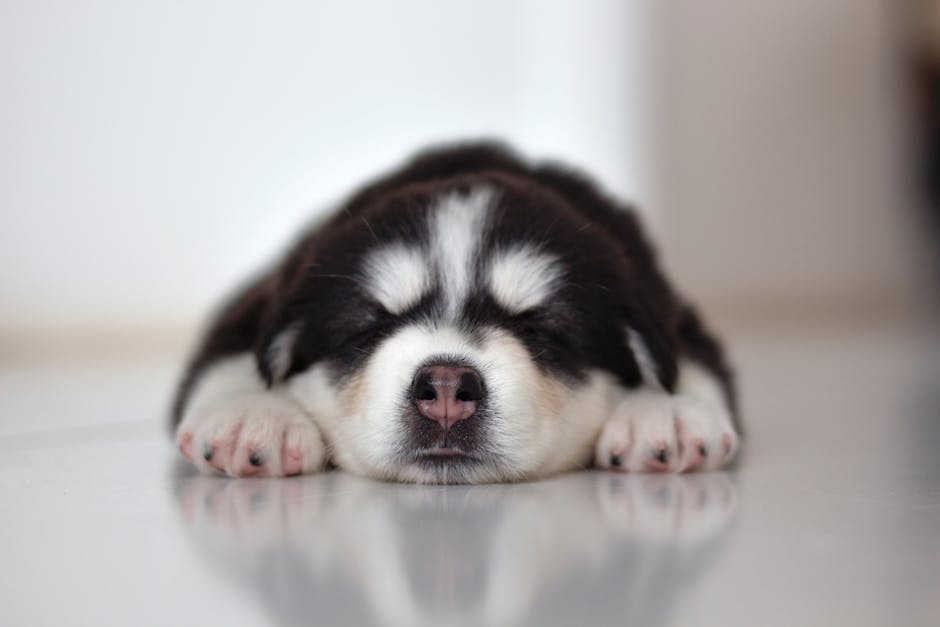
Why a Consistent Sleep Schedule Matters for Your Husky Puppy
Bringing home a Siberian Husky puppy is an exciting adventure, but it comes with the challenge of managing their sleep. Like human babies, husky puppies need plenty of rest to grow, develop, and stay healthy. A well-structured sleep schedule not only benefits your pup’s physical and mental development but also helps you avoid sleepless nights and destructive behaviors. In this comprehensive guide, we’ll cover everything you need to know about establishing a husky puppy sleep schedule, from age-appropriate sleep needs to creating a calming bedtime routine.
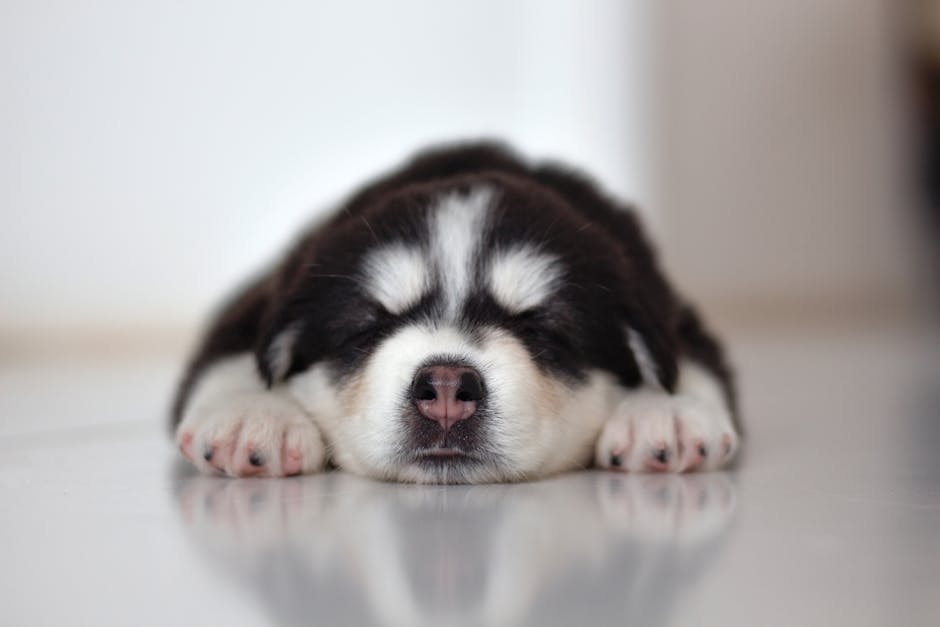
How Much Sleep Does a Husky Puppy Need?
Husky puppies are notorious for their bursts of energy, but they actually need more sleep than adult dogs. On average, a husky puppy will sleep 18–20 hours per day during the first few months. This is because sleep is crucial for brain development, memory consolidation, and physical growth. As your puppy grows, the total sleep time gradually decreases to about 12–14 hours per day by the time they reach adulthood.
Sleep Needs by Age
| Age | Total Sleep per Day | Night Sleep | Daytime Naps |
|---|---|---|---|
| 8–12 weeks | 18–20 hours | 8–10 hours (with potty breaks) | 4–6 naps, 30 min–2 hours each |
| 3–6 months | 16–18 hours | 10–11 hours | 3–4 naps, 1–2 hours each |
| 6–12 months | 14–16 hours | 10–12 hours | 2–3 naps, shorter duration |
| 12+ months (adult) | 12–14 hours | 10–12 hours | 1–2 naps if needed |
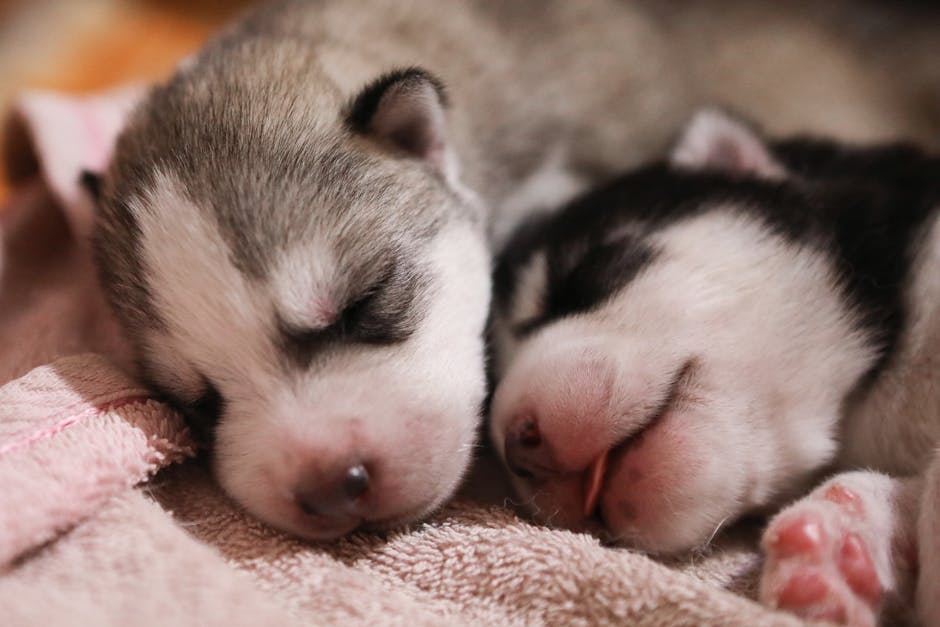
Typical Husky Puppy Sleep Schedule by Age
Creating a schedule that matches your puppy’s age ensures they get the rest they need without becoming overtired. Here’s a sample daily structure for a 8–12 week old husky puppy:
- 7:00 AM: Wake up, immediate potty break
- 7:15 AM: Playtime and short training session
- 8:00 AM: Breakfast
- 8:30 AM: Nap time in crate (2–3 hours)
- 11:00 AM: Wake, potty break, playtime
- 12:00 PM: Lunch
- 12:30 PM: Nap (2–3 hours)
- 3:00 PM: Wake, potty, play/training
- 5:00 PM: Dinner
- 5:30 PM: Evening walk or play
- 7:00 PM: Quiet time, wind-down activities
- 8:30 PM: Last potty break
- 9:00 PM: Bedtime (crate with cover)
- Midnight & 3:00 AM: Potty breaks (if young)
As your puppy matures, you can adjust the schedule: gradually extend night sleep without potty breaks, reduce nap frequency, and shift bedtime later.
Creating a Safe and Comfortable Sleep Environment
Huskies are den animals, so they naturally feel secure in an enclosed space. A crate is ideal for establishing a sleep routine. Follow these tips:
- Crate size: Large enough for your puppy to stand, turn, and lie down, but not so big that they can use one end as a bathroom.
- Bedding: Use washable, non-slip mats or fleece blankets. Avoid fluffy pillows that could be chewed and ingested.
- Location: Place the crate in a quiet, low-traffic area of your home, away from direct sunlight and drafts.
- Temperature: Huskies tolerate cool temperatures, but puppies need a stable, comfortable environment (65–75°F).
- Crate cover: A breathable cover can reduce visual stimuli and promote calmness.
Should You Let Your Husky Puppy Sleep in Your Bed?
While tempting, letting a husky puppy sleep in your bed can disrupt your sleep and make crate training harder. It’s best to establish independent sleeping habits early. If you eventually want your husky on the bed, wait until they are fully house-trained and past the teething stage (around 6 months).
Establishing a Bedtime Routine
Consistency is key to helping your husky puppy wind down. A predictable sequence of events signals to your puppy that it’s time to sleep. Here’s an effective bedtime routine:
- Last meal 2–3 hours before bed to prevent digestion issues and middle-of-the-night hunger.
- Final potty break – take them outside and wait until they go.
- Calm play – gentle tug or puzzle toy to burn remaining energy mentally.
- Quiet time – sit with your puppy, stroke them, and speak softly for 10–15 minutes.
- Crate up – use a treat or a kong stuffed with kibble to create a positive association.
- Cover the crate and leave a small nightlight if the puppy seems anxious.
- No talking or playing if they whine – only respond to potty needs.
Stick to the same order and timing every night. Within a week, your husky puppy will learn the pattern and relax more quickly.
Common Sleep Issues and How to Solve Them
Puppy Crying or Whining at Night
This is normal, especially the first few nights. Before responding, wait a few minutes to see if they settle. If they continue, take them out for a quick potty break (no play, no talking). Return to crate immediately. If whining continues, try:
- Putting a warm water bottle (wrapped in a towel) in the crate to mimic littermate warmth.
- Playing white noise or a heartbeat sound to soothe.
- Placing the crate next to your bed so they know you’re near.
Excessive Energy Before Bed
Huskies are high-energy dogs. If your puppy is bouncing off the walls at night, they may not be getting enough physical or mental stimulation during the day. Increase exercise (within age limits) and include brain games like obedience training, puzzle toys, or nose work. Avoid vigorous play right before bed; instead, focus on calm activities.
Waking Up Too Early
If your puppy consistently wakes at 5 AM, gradually adjust their bedtime later by 15 minutes each night until a reasonable wake time is achieved. Also, ensure their room is dark and quiet – use blackout curtains if necessary.
House Training Accidents Overnight
Young puppies have small bladders. Set an alarm for a middle-of-the-night potty break if they are under 12 weeks. As they grow, you can eliminate one break at a time. Always praise and reward for outdoor potty.
Tips for Successful Naptime
Naps are as important as nighttime sleep. A well-rested husky puppy is less likely to be nippy or hyperactive. Here’s how to make naptime work:
- Schedule naps after meals and play sessions – this aligns with their natural tiredness.
- Use the crate for naptime too, so they associate it with rest, not punishment.
- Keep naps consistent at roughly the same times each day.
- Limit distractions – close blinds, keep the house quiet, and ignore the puppy during nap time.
- Don’t wake them unnecessarily; let them sleep until they naturally stir.
When to Consult a Veterinarian
While most sleep variations are normal, certain signs warrant a vet visit:
- Extreme lethargy or difficulty waking up
- Sudden changes in sleep patterns (e.g., sleeping much less or much more than usual)
- Restlessness, pacing, or constant panting during sleep
- Signs of pain or discomfort when lying down
- Loss of appetite or weight loss
These could indicate underlying health issues such as infections, parasites, or pain.
Conclusion
A husky puppy sleep schedule is not just about preventing midnight chaos – it’s a foundation for a healthy, happy, and well-behaved adult husky. By understanding their sleep needs, creating a safe environment, and sticking to a consistent routine, you’ll set your puppy up for success. Remember, patience and consistency are your best tools. With time, your husky will learn to settle in and enjoy quality rest, making your bond even stronger. Start implementing these tips today, and you’ll both sleep better tomorrow.
Recommended Products for Your Husky
As an Amazon Associate, we earn from qualifying purchases. Learn more.
- Puppy Starter Kit — Check price on Amazon
- Puppy Crate — Check price on Amazon
- Puppy Toys — Check price on Amazon
Frequently Asked Questions
When should I spay or neuter?
Many vets suggest 6–12 months for Huskies to protect joint and hormone development. Discuss timing with your vet.
What should I buy before a Husky puppy?
A crate, chew toys, a harness (not a collar for pulling), a groomer-grade brush, and puppy food. Skip the tiny water bowl — they grow fast.
How do I housebreak a Husky puppy?
Take them out every hour, after meals, and on waking; reward immediately. Crate overnight so they won't soil their den.
Editor's Note
We've recommended early socialization classes to every husky puppy owner we work with. The pack-oriented ones who learned dog language young handle the dog park calmly; the isolated ones arrive reactive and stressed.
Sources & Further Reading
HuskySpot researches each topic against recognized breed and veterinary authorities. The following organizations inform our content: