Why Husky Puppies Are Prone to Ear Infections
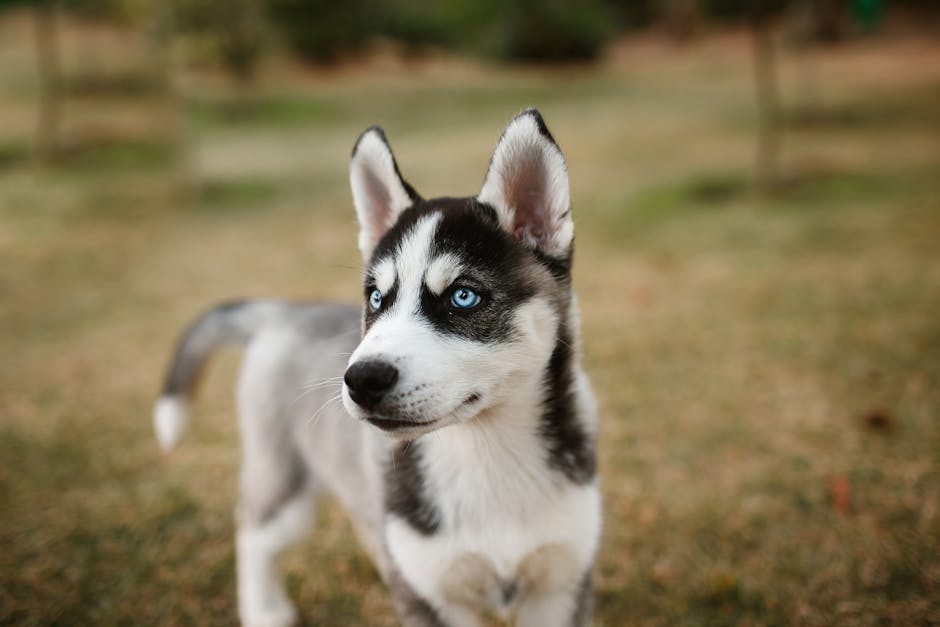
Siberian Husky puppies are known for their striking blue or multi-colored eyes and thick double coats. However, their erect, triangular ears also bring a unique set of health considerations. While adult Huskies often have clean, well-ventilated ears, puppies are more susceptible to ear infections due to their developing immune systems, teething, and common environmental triggers. Understanding the anatomy and lifestyle of a Husky puppy is the first step in preventing and managing ear problems.
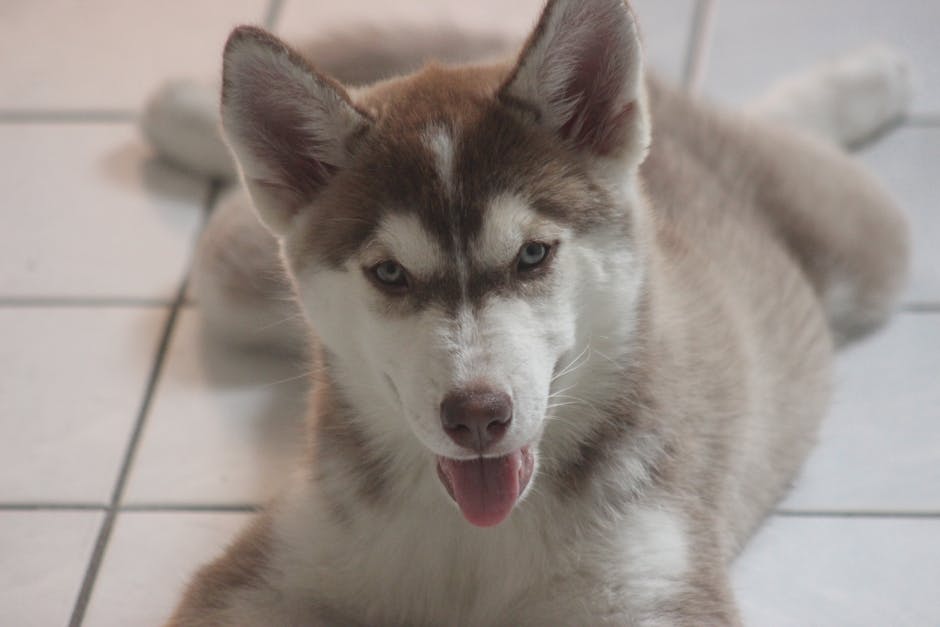
Husky puppies typically have erect ears that stand upright by the time they are 8–16 weeks old. However, even after the ears perk up, the ear canal can be narrow and trap moisture, dirt, and wax. Combined with a puppy’s natural curiosity—exploring grass, puddles, and dirt—this creates a perfect breeding ground for bacteria and yeast. Additionally, allergies (food or environmental) are common in the breed and often manifest as ear inflammation. If left untreated, an ear infection can lead to chronic pain, hearing loss, and even structural damage to the ear.
Common Causes of Ear Infections in Husky Puppies
Several factors contribute to ear infections in young Huskies. Recognizing these causes can help you take preventive measures early.
- Moisture Trapping: Bathing, swimming, or even rain can leave water in the ear canal. Huskies love water and snow, but their ears are not designed to drain moisture easily. Use cotton balls to dry the ears gently after water exposure.
- Allergies: Both food allergies (e.g., chicken, beef, grains) and environmental allergies (pollen, dust mites) often cause inflammation in the ear lining. This leads to excessive wax production and secondary infections.
- Parasites: Ear mites are highly contagious among puppies, especially if they come from kennels or shelters. They cause intense itching, dark discharge, and inflammation.
- Foreign Bodies: Grass awns, seeds, or small debris can lodge in the ear canal, causing irritation and infection. Huskies who play in tall grass are at risk.
- Underlying Conditions: Hypothyroidism and autoimmune disorders are rare but possible in Huskies and can predispose them to chronic ear issues.
Symptoms of an Ear Infection in Your Husky Puppy
Early detection is crucial. Watch for these signs:
| Behavioral Signs | Physical Signs |
|---|---|
| Frequent head shaking or tilting | Redness or swelling inside the ear flap |
| Scratching at the ears or rubbing them on furniture | Dark, waxy, or pus-like discharge (yellow/brown/black) |
| Whining when ears are touched | Foul odor from the ear |
| Loss of balance or circling | Crusting or scabbing on the outer ear |
| Irritability or holding head to one side | Hair loss around the ear base |
If you notice any combination of these symptoms, consult your veterinarian promptly. Chronic infections can damage the eardrum and lead to more serious issues.
When to See the Vet and What to Expect
While some mild ear redness can be managed at home, a full-blown infection requires professional diagnosis. Your vet will:
- Use an otoscope to examine the ear canal and eardrum.
- Take a swab of the discharge and examine it under a microscope to identify bacteria, yeast, or mites.
- Recommend treatment based on the culprit: antibiotics (bacterial), antifungals (yeast), or antiparasitics (mites).
Never use over-the-counter ear drops without a vet’s approval, as they may worsen the problem if the eardrum is perforated. The typical treatment includes medicated ear cleanser and topical drops for 7–14 days. Severe cases may require oral antibiotics or anti-inflammatory medication.
How to Treat a Husky Puppy Ear Infection at Home (With Guidance)
After a vet diagnosis, you can support recovery with proper home care. Never attempt to treat a suspected infection without a vet visit first.
Step-by-Step Ear Cleaning
- Gather supplies: vet-recommended ear cleaner, cotton balls or gauze (not cotton swabs), and treats.
- Hold the ear flap upright and fill the canal with the cleaner until it drips out.
- Massage the base of the ear gently for 20–30 seconds to loosen debris.
- Let your puppy shake its head (they will naturally expel loosened material).
- Wipe away visible debris from the outer ear with cotton balls. Do not insert anything deep.
- Apply prescribed medication as directed.
Repeat cleaning only as often as the vet advises—over-cleaning can irritate the ear. Use positive reinforcement to make ear care a calm experience.
Preventing Ear Infections in Your Husky Puppy
Prevention is far easier than treatment. Incorporate these habits into your routine:
- Regular ear checks: Inspect your puppy’s ears weekly for redness, odor, or wax. Early intervention is key.
- Dry ears after water: Use a soft towel or cotton ball to gently dry the outer ear after baths or swimming. Avoid moisture inside.
- Manage allergies: If your Husky is prone to allergies, work with your vet on a hypoallergenic diet or antihistamines. Omega-3 fatty acids can also reduce inflammation.
- Keep ears clean but not wet: Use a gentle ear cleaner once a week, but avoid excessive moisture.
- Trim excess hair: While Huskies don’t have heavy ear hair, some puppies may have tufts that trap debris. Ask your groomer to pluck only if needed.
- Reduce environmental triggers: Vacuum frequently, wash bedding in hot water, and avoid known allergens.
Breed-Specific Considerations for Huskies
Siberian Huskies have some unique traits that affect ear health:
- Erect ears: While better ventilated than floppy ears, erect ears are still vulnerable to debris and mites.
- Thick double coat: Shedding hair can enter the ear canal. Regular brushing reduces loose fur.
- Active lifestyle: Hiking, running, and snow play increase exposure to moisture and dirt. Always dry ears after outdoor adventures.
- Genetic predisposition to allergies: Many Huskies have food sensitivities that flare up as ear inflammation. Consider a limited-ingredient diet if infections recur.
If your Husky puppy has repeated ear infections despite good care, ask your vet about further diagnostic tests (ear flushing, culture, or allergy testing) to address underlying causes.
Myths and Facts About Husky Ear Infections
Let’s clear up common misconceptions:
| Myth | Fact |
|---|---|
| Huskies don’t get ear infections because their ears stand up. | False – erect ears reduce moisture but do not eliminate the risk. Allergies and debris can still cause infections. |
| Apple cider vinegar can cure any ear infection. | False – vinegar can aggravate open wounds or yeast infections. Only use vet-approved products. |
| Puppies grow out of ear infections. | False – without treatment, infections often become chronic and more difficult to resolve. |
| Ear infections are always painful. | True – even mild infections cause discomfort. Never ignore subtle signs like head shaking. |
When to Worry: Red Flags
Contact your vet immediately if you notice any of these:
- Blood or pus draining from the ear
- Sudden hearing loss (puppy doesn’t respond to noises)
- Severe swelling of the ear flap (hematoma possible)
- Head tilted persistently or inability to stand
- Fever, lethargy, or vomiting
These signs indicate a severe infection or spread to the middle/inner ear. Prompt treatment can prevent permanent damage.
Frequently Asked Questions
Can I use baby oil to clean my husky puppy’s ears?
No. Baby oil can trap moisture and worsen infections. Use only vet-approved ear cleaners.
How often should I clean my husky puppy’s ears?
For a healthy puppy, once a week is sufficient. During an infection, follow your vet’s schedule (usually once daily for cleaning before medication).
Are ear infections contagious to other pets?
Only if caused by ear mites. Bacterial and yeast infections are not contagious, but mites can spread rapidly among pets sharing space.
Can diet fix recurrent ear infections?
Yes, if allergies are the root cause. Many husky puppies improve on a grain-free or novel protein diet. Consult your vet before switching.
Conclusion
Your Husky puppy’s ears deserve consistent attention. By understanding the causes, recognizing early signs, and implementing a preventive routine, you can keep those beautiful ears healthy and infection-free. Remember, a quick visit to the vet at the first hint of trouble saves your pup pain and saves you costly treatments later. With proper care, your husky puppy will be ready for years of happy howling and snowy adventures.
Recommended Products for Your Husky
As an Amazon Associate, we earn from qualifying purchases. Learn more.
- Puppy Starter Kit — Check price on Amazon
- Puppy Crate — Check price on Amazon
- Puppy Toys — Check price on Amazon
Editor's Note
Our editors push crate training from day one, never as punishment. Feed meals in it, drop treats in randomly. The huskies we raised this way see the crate as a den; the ones who didn't fought it for months.
Sources & Further Reading
HuskySpot researches each topic against recognized breed and veterinary authorities. The following organizations inform our content: