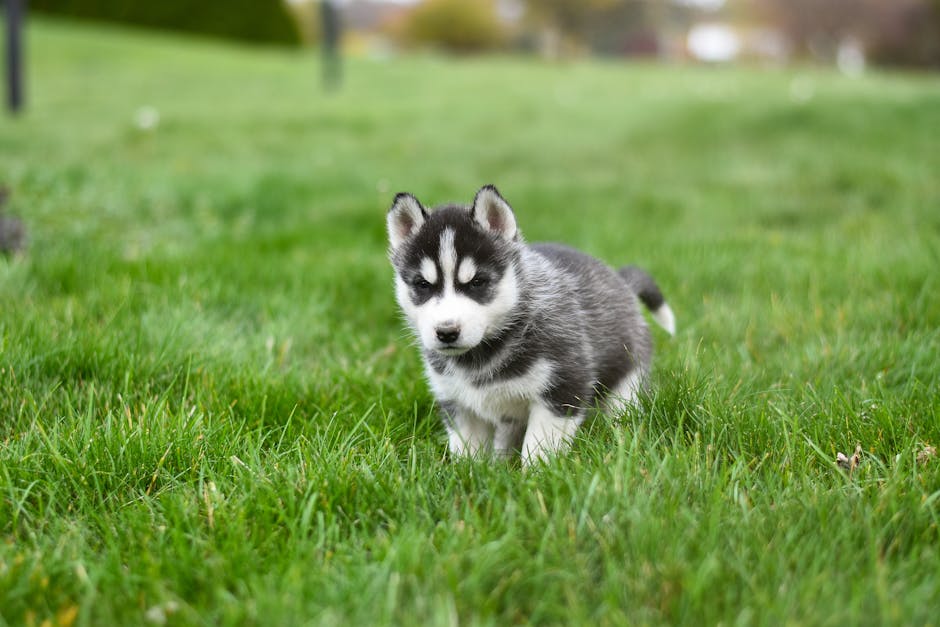
Why Choosing the Right Food for Your Husky Puppy Matters
Siberian Husky puppies are energetic, intelligent, and have a unique metabolism that sets them apart from many other breeds. Their growth rate, coat quality, and long-term joint health depend heavily on the nutrition they receive during their first year. Feeding a high-quality puppy food tailored to the needs of large-breed, high-energy dogs can prevent developmental issues and set the foundation for a healthy adult life.
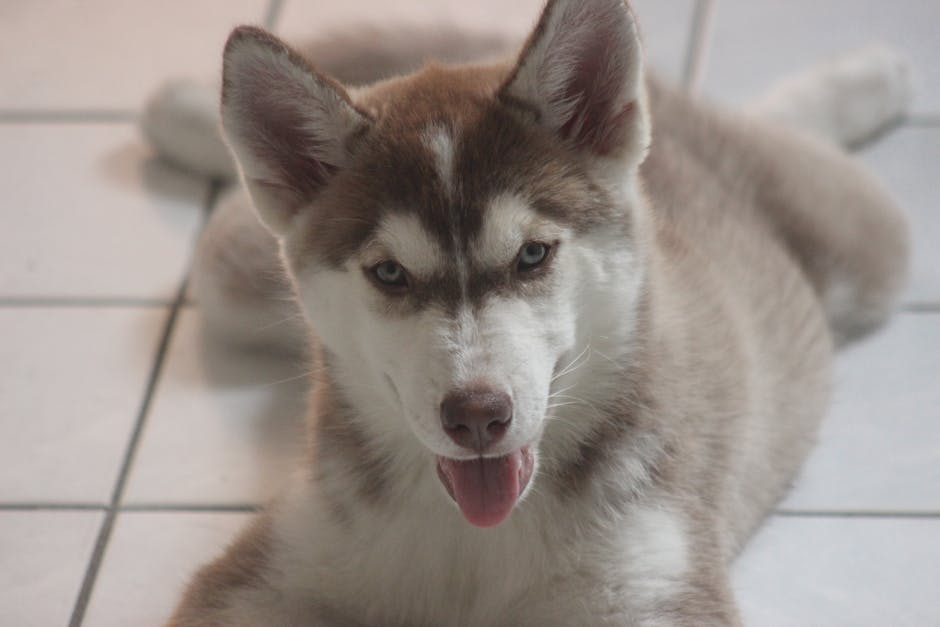
Nutritional Requirements for a Growing Husky Puppy
Husky puppies need a balanced diet rich in protein (25-30%), moderate fat (15-20%), and controlled calcium levels to avoid rapid growth that can lead to hip dysplasia or OCD. DHA from fish oil supports brain and eye development, while glucosamine and chondroitin aid joint formation. Avoid foods with excessive fillers like corn, wheat, or soy, as huskies can be prone to allergies.
Key Nutrients to Look For
- Animal-based proteins (chicken, salmon, lamb, beef)
- Omega-3 fatty acids (EPA, DHA) for coat and cognition
- Calcium:phosphorus ratio around 1.2:1
- Prebiotics and probiotics for digestive health
- Antioxidants like vitamin E and selenium
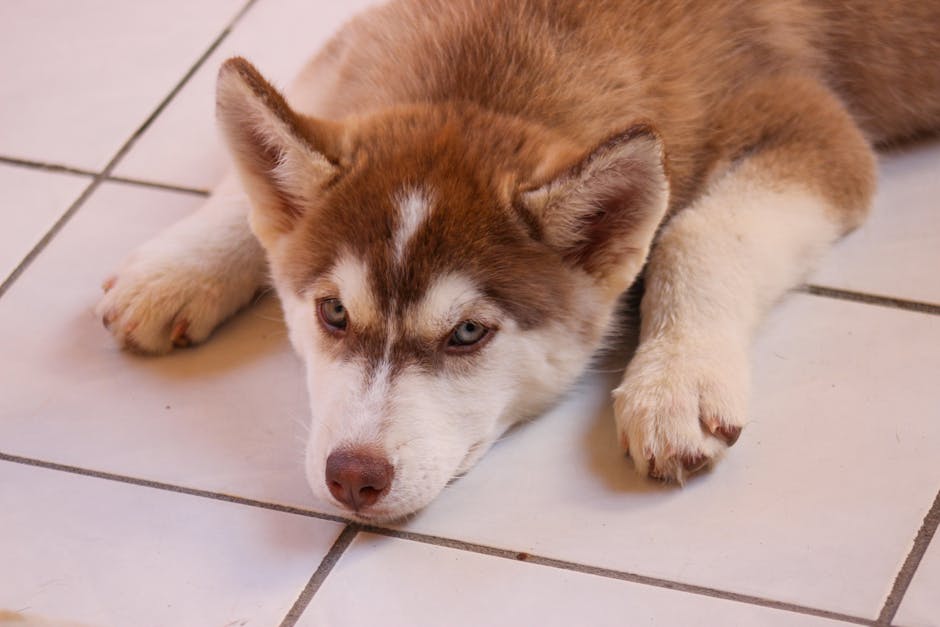
Top 5 Husky Puppy Best Food Brands – In-Depth Review
After analyzing ingredient quality, AAFCO compliance, breed-specific formulas, and owner testimonials, these five brands stand out for husky puppies.
| Brand | Key Pros | First 5 Ingredients | Price Range | Best For |
|---|---|---|---|---|
| Orijen Puppy Large | Biologically appropriate, high protein, freeze-dried coating | Deboned chicken, turkey, flounder, whole eggs, chicken liver | $$$$ | Active huskies needing maximum nutrition |
| Purina Pro Plan Puppy Large Breed | Vet-recommended, DHA, controlled calcium | Chicken, rice, poultry by-product meal, corn gluten meal, whole grain wheat | $$ | Value and joint support |
| Taste of the Wild High Prairie Puppy | Grain-free, novel proteins, probiotics | Water buffalo, lamb meal, chicken meal, sweet potatoes, peas | $$$ | Sensitive stomachs or food allergies |
| Royal Canin Siberian Husky Puppy | Breed-specific kibble shape, precise nutrients | Chicken by-product meal, brown rice, corn, chicken fat, dried brewers yeast | $$$$ | Tailored to husky anatomy and coat |
| Wellness CORE Grain-Free Puppy | High protein, no fillers, added probiotics | Deboned chicken, chicken meal, turkey meal, potatoes, peas | $$$ | High-energy huskies needing lean muscle |
Wet Food vs Dry Kibble for Husky Puppies
Many owners combine dry kibble with wet food to increase palatability and hydration. Wet foods typically have higher moisture content, which can be beneficial for huskies who don't drink enough water. However, dry kibble helps clean teeth and is more economical. A 75:25 dry-to-wet ratio works well for most husky puppies.
Should You Choose Grain-Free Food?
While huskies can thrive on grain-free diets, recent research links grain-free (especially legume-heavy) diets to dilated cardiomyopathy (DCM) in some dogs. Unless your husky has a confirmed grain allergy (uncommon), choose a food that contains whole grains like brown rice, oats, or barley. If you prefer grain-free, ensure it includes taurine supplementation and is formulated by a reputable brand.
Feeding Schedule and Portion Guidance
Husky puppies should eat 3 times a day until 6 months, then transition to 2 meals. Follow the package guidelines but adjust based on body condition. A typical 3-month-old husky weighing 10-15 pounds needs about 1.5 to 2 cups per day split into three meals. Monitor their ribs and waist – you should feel ribs without excess fat.
Sample Feeding Chart (Dry Kibble)
- 2 months (8-10 lbs) – 1-1.5 cups/day, 3 meals
- 3 months (10-15 lbs) – 1.5-2 cups/day, 3 meals
- 4 months (15-20 lbs) – 2-2.5 cups/day, 3 meals
- 5 months (20-30 lbs) – 2.5-3 cups/day, 3 meals
- 6-12 months (25-45 lbs) – 2.5-3.5 cups/day, 2 meals
Transitioning to a New Food Safely
Sudden diet changes can cause digestive upset. Mix 25% new food with 75% old food for 2-3 days, then 50/50 for 2 days, then 75/25 for 2 days, and finally 100% new. Watch for loose stools, itching, or gas.
Supplements Worth Considering
Most complete puppy foods already contain essential nutrients. However, adding a fish oil supplement (rich in omega-3s) can improve coat shine and reduce inflammation. Probiotics can help during transitions. Always consult your vet before adding supplements.
Common Feeding Mistakes Husky Owners Make
- Free-feeding – huskies often overeat; use scheduled meals.
- Too many treats – treats should be ≤10% of daily calories.
- Ignoring water intake – huskies need fresh water constantly, especially in warm weather or when eating dry kibble.
- Switching brands too often – can cause picky eating or stomach issues.
Tips for Picky Husky Puppies
If your husky puppy refuses to eat, try adding warm water or unsalted bone broth to kibble, rotating proteins (but keeping the same brand), or using a food puzzle. Freeze wet food or canned pumpkin in a Kong to make mealtime fun. Avoid adding human food that can unbalance nutrition.
When to Consult a Veterinarian
Persistent vomiting, diarrhea, weight loss, or failure to grow on a proper diet warrants a vet visit. Your vet can run allergy tests or recommend a prescription diet if needed.
Conclusion
Choosing the best food for your husky puppy doesn't have to be overwhelming. Focus on high-quality protein, appropriate fat levels, and breed-specific formulas. Start with brands like Orijen, Purina Pro Plan, or Royal Canin and observe your puppy's energy, stool quality, and coat. Every dog is unique, so monitor and adjust as needed. With the right nutrition, your Siberian Husky will grow into a strong, healthy, and happy companion.
Recommended Products for Your Husky
As an Amazon Associate, we earn from qualifying purchases. Learn more.
- Premium Husky Food — Check price on Amazon
- Grain-Free Kibble — Check price on Amazon
- High-Protein Food — Check price on Amazon
Frequently Asked Questions
How do I housebreak a Husky puppy?
Take them out every hour, after meals, and on waking; reward immediately. Crate overnight so they won't soil their den.
When can Husky puppies leave their mother?
Not before 8 weeks — earlier weaning harms socialization. Many breeders hold to 10–12 weeks for stability.
How much sleep does a Husky puppy need?
Up to 18–20 hours a day. Over-tired puppies bite and crash; enforce naps in the crate.
Editor's Note
Our team's teething survival tip is low-tech: frozen washcloths. We've handed them to dozens of owners and the puppies chew the cloth, not the furniture. Redirect, don't scold—they're not being bad, they're in pain.
Sources & Further Reading
HuskySpot researches each topic against recognized breed and veterinary authorities. The following organizations inform our content: