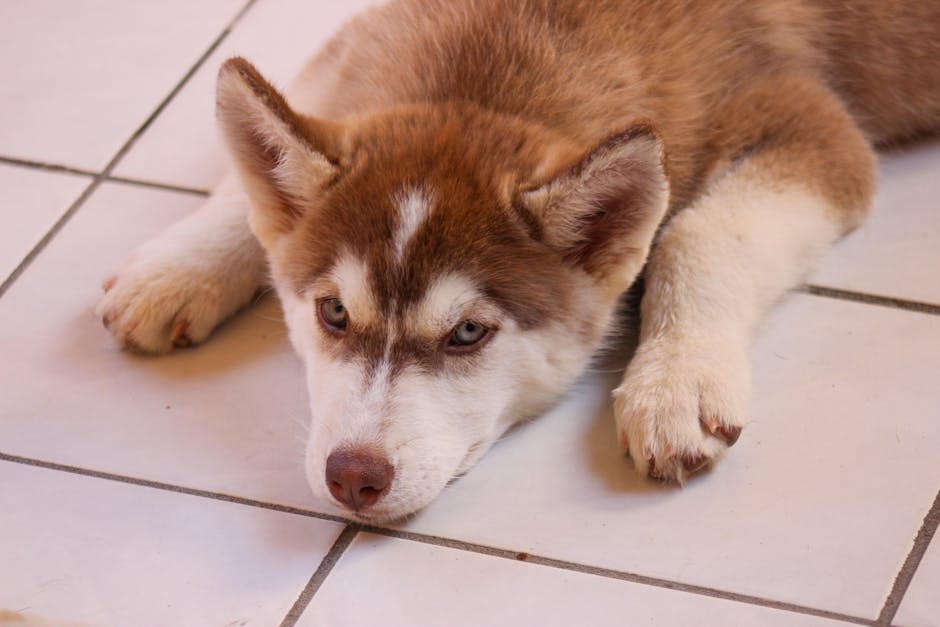
Understanding Husky Diarrhea: Causes and Quick Solutions
Diarrhea is one of the most common health issues faced by Siberian Huskies. While an occasional loose stool can be normal, persistent diarrhea can lead to dehydration and nutrient loss. As an owner, knowing what causes it and how to respond can make a big difference in your husky’s recovery.
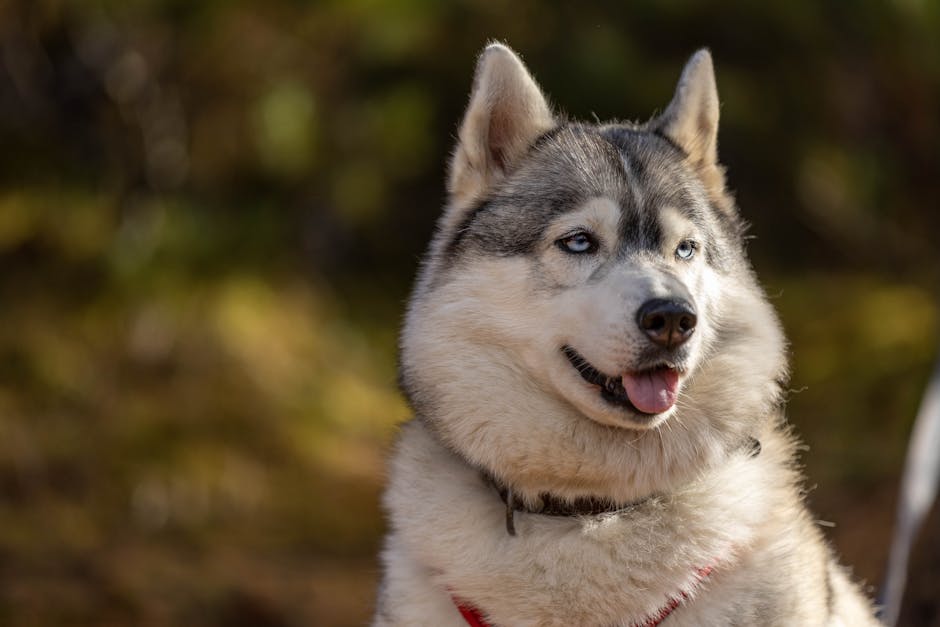
Common Causes of Diarrhea in Huskies
Huskies have sensitive digestive systems. Here are the most frequent triggers:
- Dietary indiscretion – eating spoiled food, garbage, or non-food items.
- Sudden diet changes – switching food brands or flavors too quickly.
- Food allergies or intolerances – common allergens include chicken, beef, corn, wheat, and soy.
- Parasites – giardia, roundworms, hookworms, or coccidia.
- Bacterial infections – salmonella, E. coli, or clostridium.
- Viral infections – parvovirus, distemper, or coronavirus.
- Stress – from boarding, travel, or changes in routine.
- Medications – especially antibiotics that disrupt gut flora.
- Pancreatitis – inflammation of the pancreas often triggered by high-fat foods.
| Cause | Key Symptoms | Action |
|---|---|---|
| Dietary indiscretion | Sudden onset, possible vomiting | Withhold food 12-24 hours, then bland diet |
| Food allergy | Chronic soft stools, itchy skin | Elimination diet under vet guidance |
| Parasites | Bloody or mucousy stool, weight loss | Fecal test and deworming |
| Bacterial infection | Fever, lethargy, bloody diarrhea | Vet visit, possible antibiotics |
| Viral infection | Vomiting, depression, dehydration | Immediate veterinary care |
| Stress | Normal energy, no fever | Reduce stress, maintain routine |
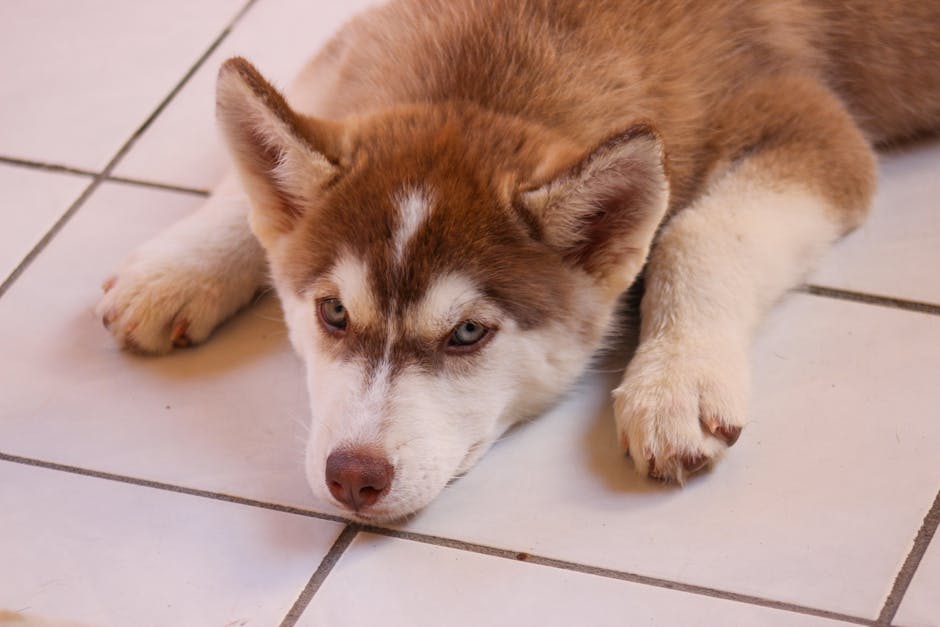
When to Be Concerned About Husky Diarrhea
Some cases require immediate veterinary attention. Watch for red flags:
- Diarrhea lasting more than 48 hours
- Blood or black, tarry stool
- Frequent vomiting or inability to keep water down
- Signs of dehydration: dry gums, sunken eyes, lethargy
- Puppies, seniors, or dogs with existing health conditions
- Fever (above 102.5°F)
- Painful abdomen or bloating
If you notice any of these, contact your vet immediately. Delaying treatment can lead to serious complications.
Home Care for Mild Diarrhea
For mild cases (no blood, normal energy), try these steps at home:
1. Fasting and Rehydration
Give your husky’s stomach a rest by withholding food for 12-24 hours. Ensure fresh water is always available. You can offer unflavored Pedialyte or plain bone broth to maintain electrolyte balance. Monitor water intake.
2. Bland Diet Transition
After the fast, introduce a bland diet in small, frequent meals. Options include:
- Boiled white rice or plain oatmeal
- Boiled boneless, skinless chicken breast (shredded)
- Plain canned pumpkin (not pie filling) – 1-2 tbsp per meal
- Low-fat cottage cheese or plain yogurt (if not lactose intolerant)
Feed this mixture for 2-3 days, then gradually mix in your husky’s regular food over 4-5 days.
3. Probiotics and Fiber
Probiotic supplements designed for dogs can help restore gut flora. You can also add a small amount of psyllium husk (plain, unsweetened) or canned pumpkin for soluble fiber.
Preventing Future Episodes
To keep your husky’s digestion healthy, follow these tips:
- Stick to a consistent, high-quality diet; change foods gradually over 7-10 days.
- Avoid fatty table scraps and sudden treats.
- Keep trash cans secure and your yard free of hazards.
- Ensure regular deworming and fecal checks.
- Manage stress with predictable routines and calm environments.
- Provide clean, fresh water at all times.
- Consider a limited-ingredient or novel protein diet if your husky is prone to allergies.
Husky-Specific Considerations
Siberian Huskies are known for their sensitive stomachs and high energy. Stress-related diarrhea often occurs during travel, shows, or boarding. Because they are a northern breed, they may also have a higher incidence of pancreatic issues. Always monitor their fat intake. Additionally, husky puppies are especially vulnerable to parvovirus, so keep up with vaccinations.
When to Seek Veterinary Help
Even if your husky seems fine, a vet visit is warranted if:
- Diarrhea recurs frequently
- Your husky loses weight
- Stool has a foul odor or unusual color
- You suspect foreign body ingestion (e.g., swallowed a toy)
- Your husky is on long-term medication
Your vet may recommend stool tests, blood work, or imaging to pinpoint the cause. Treatment could include prescription diets, antibiotics, anti-parasitics, or fluids.
Conclusion
Husky diarrhea can be alarming, but with quick action and proper care, most cases resolve within a few days. Keep a close eye on your dog's symptoms, follow a bland diet protocol, and maintain good prevention habits. If in doubt, always consult your veterinarian. A healthy husky is a happy husky!