Introduction
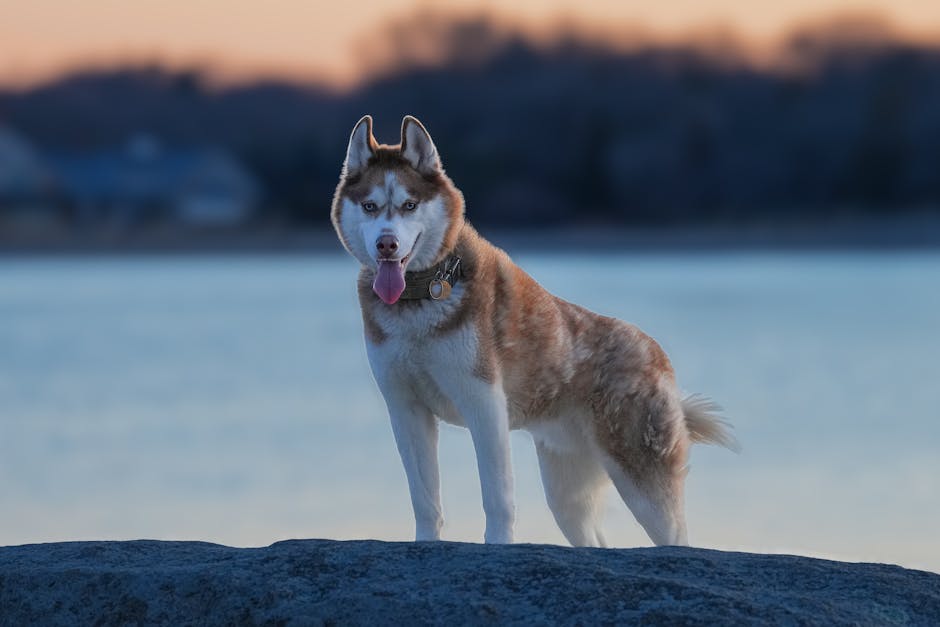
When people think of sled dogs, the Siberian Husky often comes to mind—with its striking blue eyes and thick coat. But there's another husky type that is less known yet equally fascinating: the Alaskan Husky. While they share a common ancestry and similar purpose, Alaskan Huskies and Siberian Huskies are distinct in key ways. This comprehensive guide will help you understand the differences in breed history, appearance, temperament, exercise needs, and more, so you can decide which husky is right for you.
What is an Alaskan Husky?
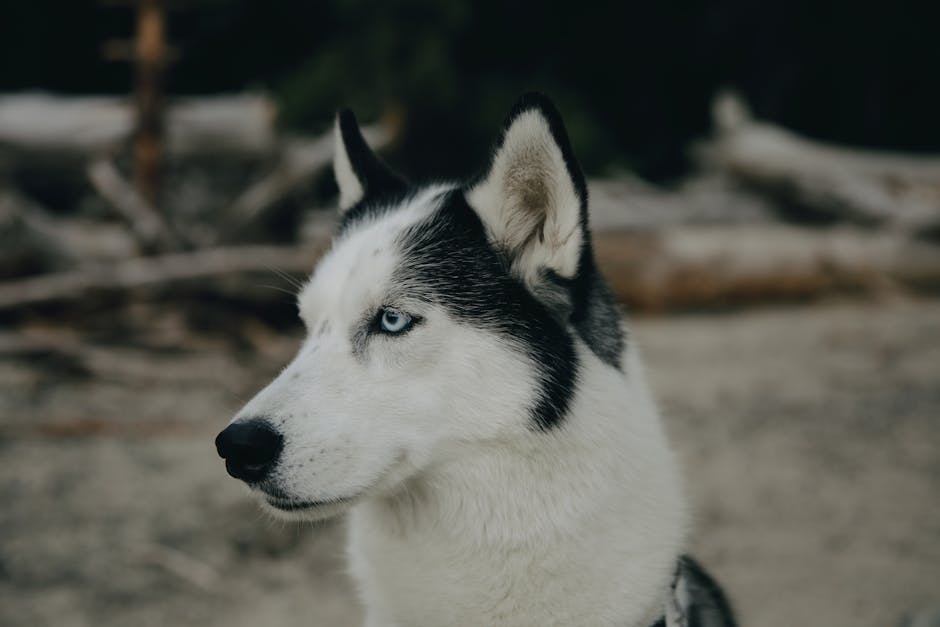
The Alaskan Husky is not a purebred breed recognized by major kennel clubs. Instead, it is a type or category of sled dog bred primarily for performance. Alaskan Huskies are a mix of various breeds—including Siberian Husky, Greyhound, German Shorthaired Pointer, and others—selected for speed, endurance, and a strong work ethic. They are the preferred dogs for competitive sled dog racing, such as the Iditarod and Yukon Quest.
- Purpose: Bred for racing and long-distance hauling.
- Recognition: Not recognized by AKC or other major breed registries.
- Size: Medium to large, typically 35–60 pounds (16–27 kg).
- Coat: Shorter to medium length, less dense than Siberian, often in various colors.
- Eyes: Can be any color, including brown, blue, or heterochromia.
What is a Siberian Husky?
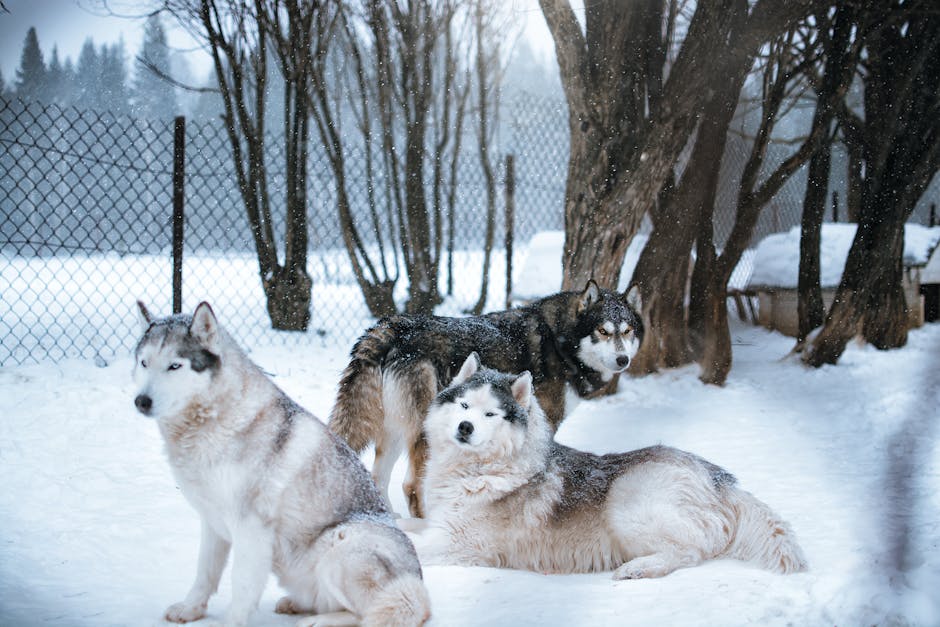
The Siberian Husky is a purebred dog breed recognized by the American Kennel Club (AKC) and other kennel clubs. Originally bred by the Chukchi people of Siberia as sled dogs, they were later brought to Alaska and then to the rest of the world. Siberian Huskies are known for their friendly temperament, striking appearance, and endurance. They are popular as family pets and show dogs.
- Purpose: Bred for sled pulling in cold climates, later for companionship.
- Recognition: AKC recognized since 1930.
- Size: Medium, 35–60 pounds (16–27 kg) for females, 45–60 pounds (20–27 kg) for males.
- Coat: Double coat with thick undercoat, medium length, many colors and patterns.
- Eyes: Often blue, but can be brown or bi-colored.
Key Differences Between Alaskan Husky vs Siberian Husky
While both are sled dogs, they differ significantly in breed history, genetics, appearance, and temperament. Let’s break them down in detail.
History and Breeding
Siberian Husky: Ancient breed from northeastern Siberia. The Chukchi people developed them to pull light loads over long distances in harsh arctic conditions. The breed was refined for consistent type and temperament.
Alaskan Husky: Originated in North America in the 20th century. Breeders crossbred Siberian Huskies with other fast breeds to create a superior racing dog. They are not bred for consistent appearance but for performance traits.
Physical Appearance
| Feature | Alaskan Husky | Siberian Husky |
|---|---|---|
| Coat length | Short to medium (less fluffy) | Medium with thick undercoat |
| Coat texture | Fine to harsh depending on mix | Soft, dense undercoat and straight guard hairs |
| Eye color | Usually brown, but can be any | Blue, brown, bi-eyed, or parti-colored |
| Ears | May be larger or more pointed | Medium, triangular, erect |
| Tail | Can be straight or curled over back | Furry sickle tail curled over back |
| Build | Lighter, more athletic, longer legs | Compact, sturdy, well-balanced |
Temperament and Personality
Alaskan Husky: Highly driven, energetic, focused on work. They often have a high prey drive from their sighthound ancestry. They can be more reserved or serious compared to Siberian Huskies, and they require a job to stay happy. They may be less suitable for first-time dog owners.
Siberian Husky: Friendly, outgoing, and gentle. They are known for their affectionate nature with people and other dogs. They are less obsessive about work and can be more playful and mischievous. They tend to be talkative and have a strong independent streak.
Trainability
Both breeds are intelligent but can be stubborn. Siberian Huskies are often easier for novice owners due to their willingness to please in moderate amounts. Alaskan Huskies, bred for independent problem-solving while racing, may be more challenging to train for non-working owners. Positive reinforcement is key for both.
Exercise and Activity Needs
Both require significant daily exercise. However, Alaskan Huskies have higher stamina and need more structured running or pulling activities. Siberian Huskies can do well with long walks, hikes, and play sessions, but they also need mental stimulation. Without enough exercise, both can become destructive.
Health and Lifespan
Siberian Husky: Generally healthy, with average lifespan of 12–14 years. Common issues include hip dysplasia, eye problems (cataracts, progressive retinal atrophy), and hypothyroidism.
Alaskan Husky: Also relatively healthy, average lifespan 10–13 years. Issues may include exercise-induced collapse (EIC), certain eye conditions, and injuries from racing. Mixed breed vigor can reduce some genetic problems.
Grooming
Siberian Husky: Heavy shedding twice a year. Requires regular brushing and occasional baths. The thick coat provides insulation.
Alaskan Husky: Sheds less overall, but still sheds. Coat is easier to maintain due to shorter length. Less prone to heavy winter coats.
Which One is Right for You?
Consider your lifestyle and experience:
- Choose a Siberian Husky if you want a well-known, affectionate companion dog that is beautiful, friendly, and relatively trainable for an active family. They are excellent pets for experienced owners who can meet their exercise needs.
- Choose an Alaskan Husky if you are an experienced, highly active individual or family interested in mushing, skijoring, or other dog sports. Alaskan Huskies thrive when they have a purpose. They are less suited for couch potato lifestyles.
Practical Tips for Owning Either Husky
- Ensure a secure fenced yard—both breeds are escape artists.
- Provide at least 1–2 hours of vigorous exercise daily.
- Use positive training methods; be patient and consistent.
- Socialize early with people and other animals.
- Expect high shedding; invest in a good vacuum.
- Consider a “job” for your dog, like pulling a cart or agility training.
Conclusion
Alaskan Husky vs Siberian Husky: they share a heritage but are suited for different roles and owners. Siberian Huskies make wonderful family pets with proper exercise, while Alaskan Huskies are elite athletes for dedicated mushers and sport enthusiasts. Understanding their differences will help you choose the right sled dog for your home and lifestyle. Whether you pick the classic Siberian or the performance-bred Alaskan, both will bring energy, loyalty, and a lot of character to your life.