Overview of the Husky German Shepherd Mix
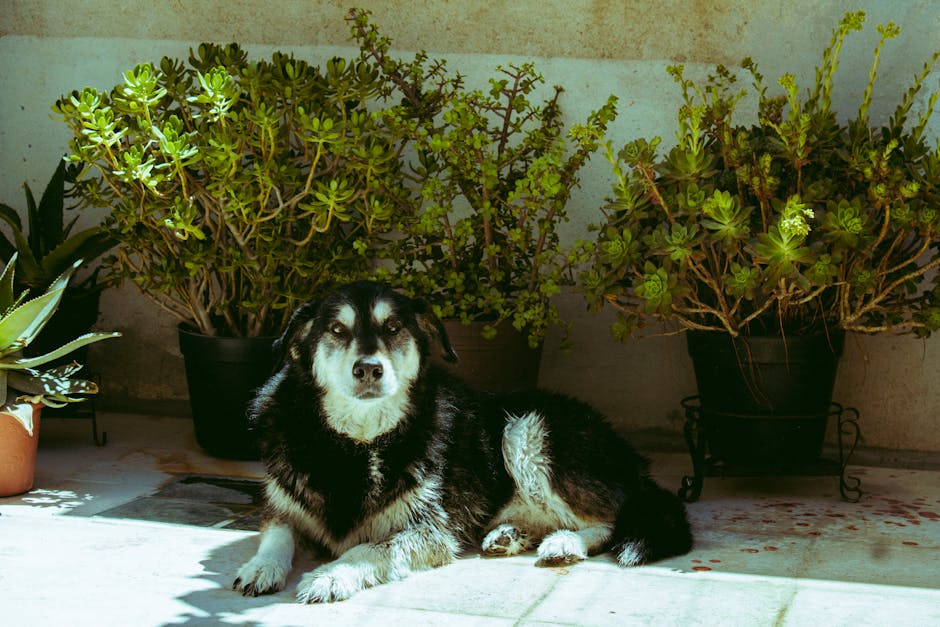
The Husky German Shepherd mix, often called a Gerberian Shepsky or simply Shepsky, is a striking hybrid breed resulting from crossing a Siberian Husky with a German Shepherd Dog. This designer dog combines the intelligence, loyalty, and work ethic of the German Shepherd with the endurance, independence, and striking appearance of the Husky. The result is a highly energetic, affectionate, and sometimes stubborn companion that thrives in active households. Understanding the unique blend of traits from both parent breeds is important for providing proper care, training, and socialization.
Appearance and Size
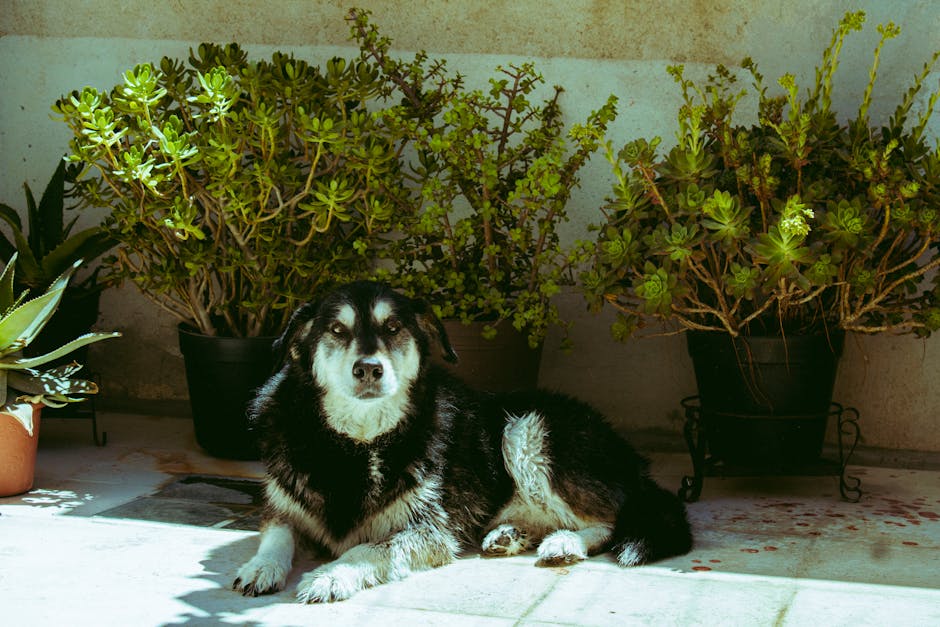
Shepskies typically inherit a medium-to-large frame, standing 20–25 inches tall at the shoulder and weighing between 45 and 85 pounds. Their coat can be short to medium in length, often with a dense double coat that sheds heavily year-round and even more during seasonal blowing. Common coat colors include black and tan, black and white, gray, sable, and sometimes red. They frequently have the Husky's distinctive facial mask and blue or bi-colored eyes, but brown eyes (dominant in GSDs) are also common. The ears are erect and pointed, and the tail may curl like a Husky or be straighter like a German Shepherd.
Temperament and Personality
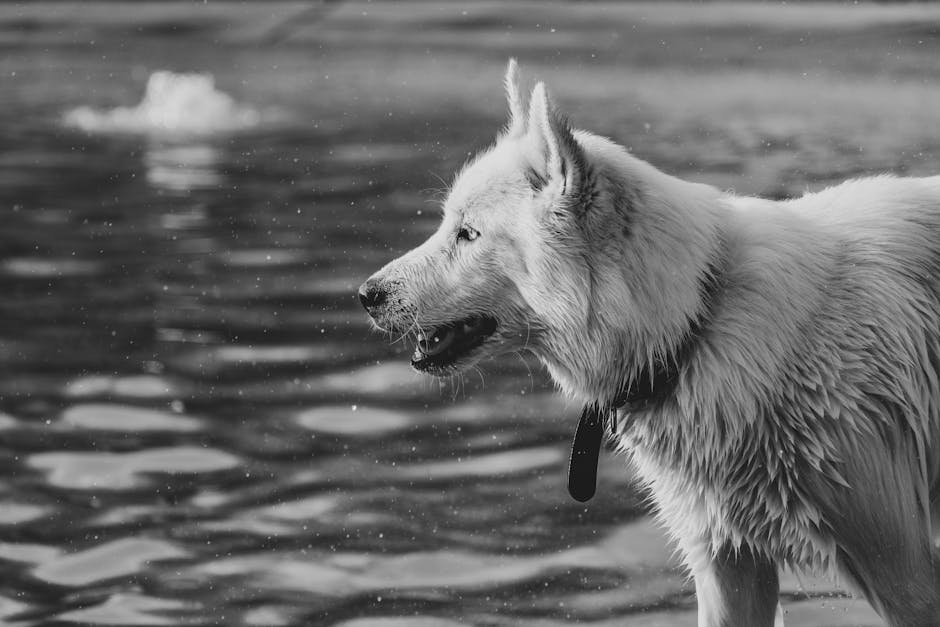
This mix is known for being highly intelligent, energetic, and loyal. They bond closely with their families and can be protective, making them excellent watchdogs. However, they are also independent and can be stubborn, especially if they inherit the Husky's free-spirited nature. Early socialization is crucial to prevent shyness or aggression toward strangers and other dogs. Shepskies are generally good with children when raised with them, but their high prey drive (from both breeds) may make them unsuitable for homes with small pets like cats or rabbits unless introduced carefully.
Exercise and Mental Stimulation Needs
Both parent breeds were developed for demanding work – herding and sledding – so the Shepsky requires substantial daily exercise. A minimum of 60–90 minutes of vigorous activity is recommended, including brisk walks, jogs, hiking, or playtime in a securely fenced yard. Mental stimulation is equally important; puzzle toys, obedience training, agility, or scent work can prevent boredom and destructive behaviors like digging or chewing.
Training a Shepsky
Training a Husky German Shepherd mix requires patience, consistency, and positive reinforcement methods. Harsh corrections can cause resistance and damage the bond. Start with basic obedience commands and gradually increase difficulty. Crate training and housebreaking are usually straightforward if a routine is established. However, their independent streak may mean they test boundaries. Use high-value treats and short sessions to keep them engaged. Consider enrolling in a puppy kindergarten class to aid socialization.
Common Training Challenges
- Stubbornness: The Husky side may make them selectively deaf. Keep training varied and rewarding.
- Prey drive: They may chase small animals; work on recall commands extensively.
- Boredom destruction: Without enough mental stimulation, they may chew furniture or dig holes.
- Vocalization: Huskies are known for howling; Shepskies may be talkative too. Teach a quiet command.
Feeding Your Shepsky
Feed a high-quality dog food formulated for medium-to-large breeds with high energy levels. Protein content should be at least 22–25%, with moderate fat for energy. Avoid fillers like corn and soy. Portion sizes vary by age, weight, and activity level; a typical adult Shepsky may need 2.5 to 4 cups of dry food per day, split into two meals. Puppies need three smaller meals daily until about 6 months. Always provide fresh water and consult your vet for specific dietary recommendations.
Supplements
Consider adding omega-3 fatty acids (from fish oil) for coat and joint health, especially since German Shepherds are prone to hip dysplasia. Glucosamine and chondroitin can also support joint health in active dogs.
Health and Lifespan
The Shepsky is generally a healthy hybrid with a lifespan of 10–14 years. However, they can inherit health issues from both parent breeds. Responsible breeding should screen for these conditions. Common concerns include:
| Condition | Description | Prevention/Management |
|---|---|---|
| Hip Dysplasia | Abnormal hip joint development causing pain and arthritis | Maintain lean body weight; exercise moderately; joint supplements |
| Elbow Dysplasia | Similar joint malformation affecting elbows | Avoid over-exercising puppies; genetic screening |
| Bloat (GDV) | Life-threatening stomach torsion in deep-chested dogs | Feed multiple small meals; avoid exercise after eating |
| Progressive Retinal Atrophy (PRA) | Eye disease leading to blindness | Regular veterinary eye exams |
| Hypothyroidism | Underactive thyroid hormone production | Blood tests; medication if diagnosed |
| Degenerative Myelopathy | Spinal cord disease causing hind limb weakness | No cure; physical therapy can slow progression |
Regular veterinary check-ups, a balanced diet, and proper exercise are key to a long, healthy life. Ensure vaccinations and parasite prevention are up to date.
Grooming Needs
Shepskies have a thick double coat that sheds heavily. Brush at least 2–3 times a week with a deshedding tool, and daily during shedding seasons (spring and fall). Bathe only when necessary to avoid stripping natural oils. Check ears weekly for dirt or infection, and trim nails regularly. Their active lifestyle may naturally wear down nails, but check monthly. Brush teeth several times a week for dental health.
Is This Mix Right for You?
The Husky German Shepherd mix is best suited for experienced dog owners who can provide plenty of exercise, mental challenges, and consistent training. They thrive in homes with a securely fenced yard and do not do well in apartments unless their exercise needs are fully met. They are not ideal for first-time dog owners due to their strong will and high energy. If you are committed to meeting their needs, a Shepsky can be a loyal, loving, and entertaining companion.