Why Off-Leash Training Is Challenging for Huskies
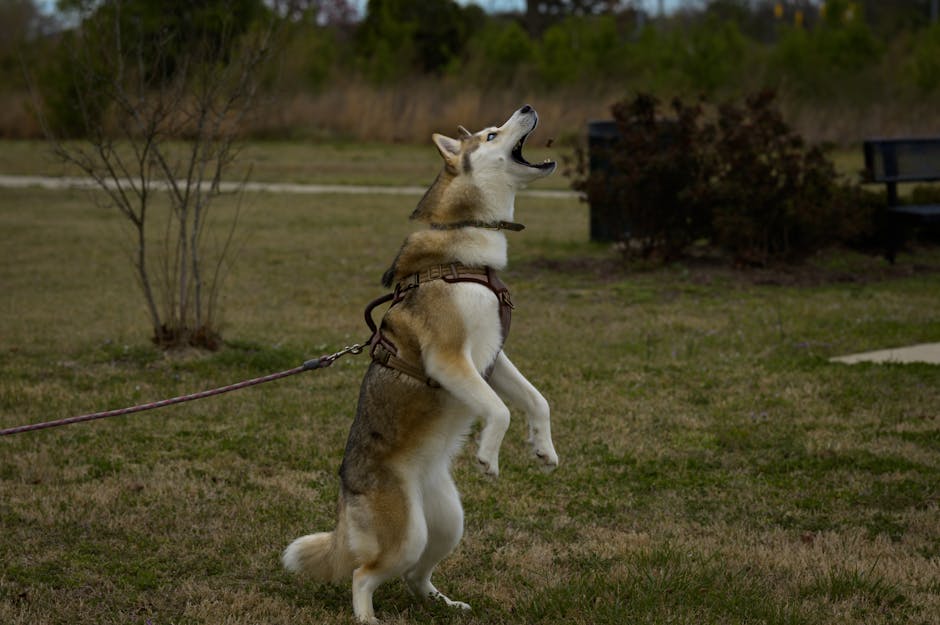
Siberian Huskies are independent, intelligent, and have a strong prey drive. Bred to pull sleds over long distances, they are natural wanderers. Off-leash training requires patience, consistency, and a solid recall foundation. Without proper training, a husky may bolt after a squirrel or simply decide to explore on its own.
Before You Begin: Prerequisites for Off-Leash Success
Master the Basics
Your husky must reliably respond to core commands on a leash before going off-leash. These include:
- Come – immediate recall in any environment
- Sit and Stay – impulse control
- Leave It – ignoring distractions
- Focus – eye contact with you
Build a Strong Bond
Your husky should see you as more interesting than anything else. Use high-value treats (cheese, chicken, liver) and engaging play. If your husky ignores you on a leash, off-leash will be impossible.
Choose the Right Location
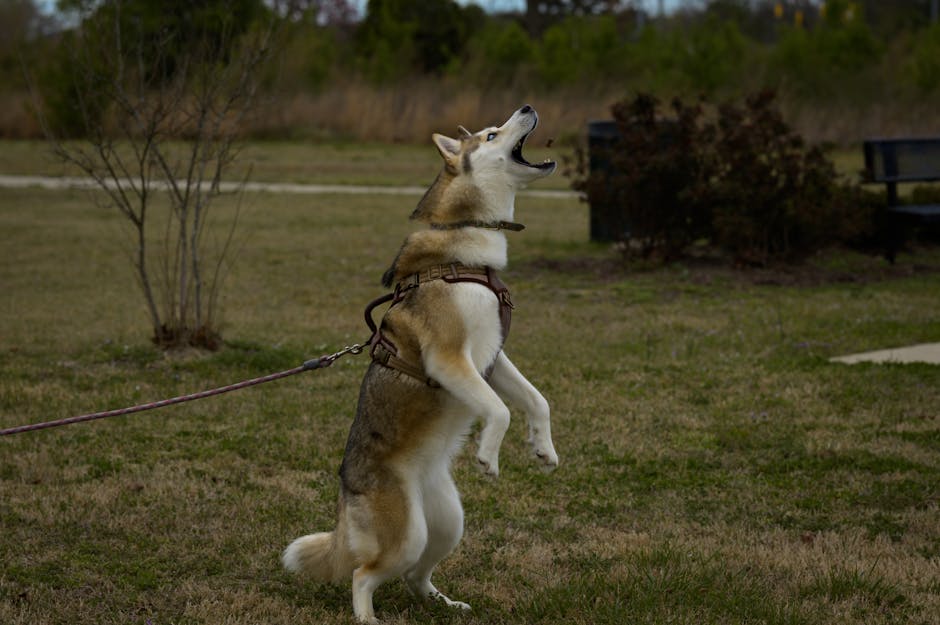
Start in a securely fenced area (e.g., a large fenced field or dog park during quiet hours). Avoid areas with heavy traffic, wildlife, or other dogs until recall is bombproof.
Step 1: Establish Rock-Solid Recall Indoors and in a Fenced Yard
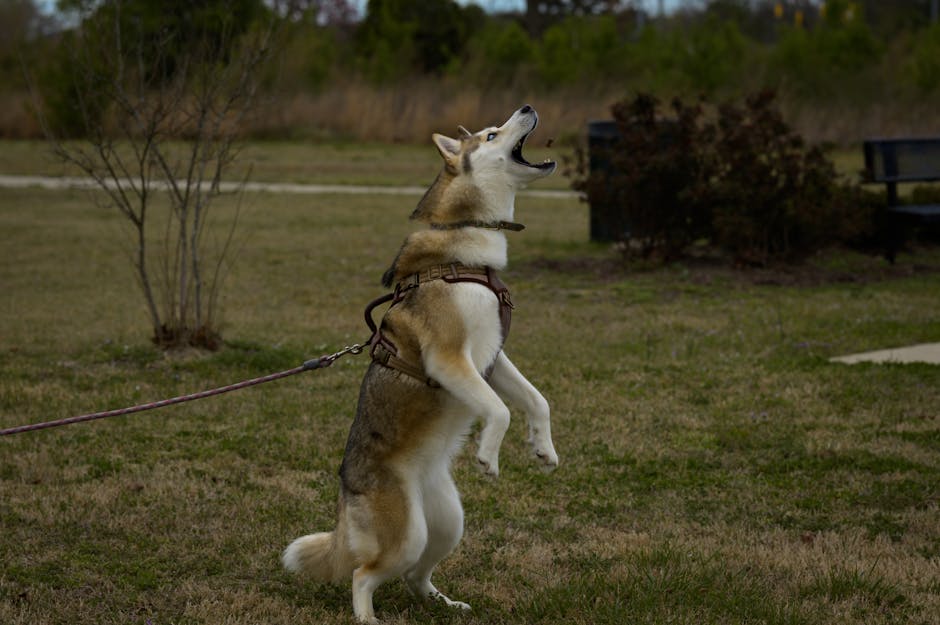
Begin in a low-distraction environment. Call your husky’s name followed by “Come!” in a cheerful tone. Reward with a high-value treat immediately when they reach you. Practice 10–15 times per session, several times a day. Gradually increase distance and add mild distractions (e.g., a tossed toy).
Key tip: Never call your husky to punish or end fun. Recall should always be positive.
Step 2: Introduce the Long Line
Use a 30–50 foot long line (a light training leash) attached to a harness. This gives your husky freedom while you maintain control. Practice recalls in a large fenced area with the long line dragging. If your husky ignores the recall, you can step on the line or gently guide them back. Do not yank; use gentle pressure.
Repeat until your husky responds 90% of the time even when distracted by grass, smells, or light motion.
Step 3: Build Reliability with Distractions
Gradually introduce controlled distractions: another person at a distance, a neutral dog behind a fence, or a toy. Use the long line and reward heavily for ignoring distractions and returning. If your husky fixates, use “leave it” and a high-value lure to redirect.
Common mistakes: Letting the husky run off with the long line still attached without being able to stop them. Always have the long line in a place where you can pick it up quickly if needed.
Step 4: Off-Leash in a Secure, Controlled Space
Only attempt off-leash in a fully enclosed area. At this stage, your husky should respond to recall at least 95% of the time even with moderate distractions. Start with short off-leash sessions (5–10 minutes). Stay engaged: call your husky back every few minutes, reward, then release again. Do not let them wander too far.
If your husky ignores a recall, calmly walk toward them and use the long line if needed. Do not punish. Simply reattach the leash and end the session for a few minutes.
Step 5: Off-Leash in Open Spaces (High-Risk)
This step is only for experienced handlers. Choose a low-traffic, open area like a hiking trail with few people and no roads. Keep your husky’s favorite treats and a backup plan (GPS tracker, whistle). Use a long line until you are confident.
Always check local leash laws. Many areas require dogs on leash regardless of training.
Troubleshooting Common Off-Leash Problems
| Problem | Solution |
|---|---|
| Husky bolts after a squirrel | Practice “leave it” daily. Use an emergency whistle recall with high reward. Consider a shock collar as a last resort (use vibration tone only, with professional guidance). |
| Husky ignores recall when distracted by other dogs | Set up controlled playdates. Call your husky away from play and reward; then release again. This teaches that coming to you doesn’t end fun. |
| Husky runs too far ahead | Shorten the distance by calling back frequently. Use a whistle or cue “check in” every 30 seconds. Reward proximity, not distance. |
| Husky doesn’t come when called in the rain | Practice in mild weather to desensitize. Use extra-high rewards like fresh meat. |
Safety Tips and Equipment
- Harness vs. Collar: Use a well-fitted harness that your husky cannot slip out of. Escape-proof harnesses (e.g., with a martingale loop) are recommended.
- GPS Tracker: Attach a lightweight GPS tracker (e.g., Whistle, Tractive) to the collar. If your husky runs off, you can locate them quickly.
- Emergency Recall Whistle: Train a unique whistle sound that means “come immediately for the best reward ever.” Use it only for high-stakes situations.
- Reflective Gear: For low-light conditions, use a harness with reflective strips or a light-up collar.
- ID Tags: Ensure your husky wears updated tags with your phone number. Microchip as a backup.
Realistic Expectations: Huskies May Never Be 100% Trustworthy Off-Leash
Even with perfect training, a husky’s innate drive can override learned behavior. Many experienced owners never let their huskies run off-leash except in secure areas. If you live near roads or wildlife, consider using a long line indefinitely or investing in a lightweight tracking collar. The goal is a strong recall that minimizes risk, not absolute flight prevention.
Conclusion
Off-leash training a Siberian Husky is demanding but rewarding. Start early, build a foundation of trust and recall, and always prioritize safety. Use a step-by-step approach: indoor basics, long line, controlled distractions, and finally enclosed off-leash practice. Be patient – some huskies take months of daily work. When done right, the bond you share will be unforgettable.