Separation anxiety is a common behavioral issue in Siberian Huskies, a breed known for its pack-oriented nature and high energy levels. When left alone, a Husky may howl, destroy furniture, or attempt to escape. This comprehensive guide provides a step-by-step approach to training your Husky to feel secure and calm during alone time, using positive reinforcement and gradual desensitization.
Understanding Separation Anxiety in Huskies
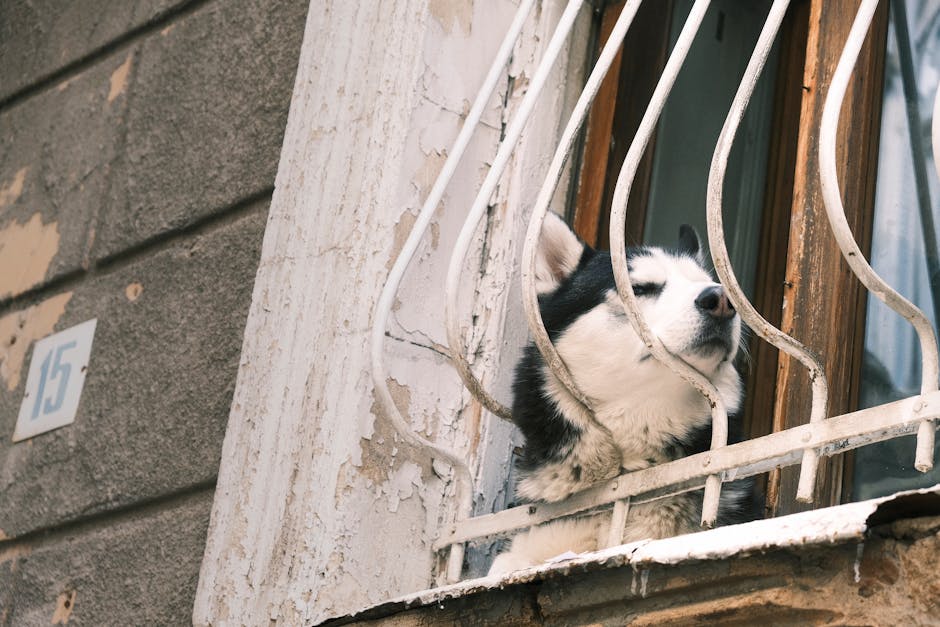
Separation anxiety stems from a dog's distress when separated from its owner. For Huskies, who thrive on social interaction and mental stimulation, being left alone can trigger panic. Unlike simple boredom or lack of training, separation anxiety is a genuine emotional response. Factors include the breed's history as pack animals, sudden schedule changes, past trauma, or being rehomed. Recognizing the difference between misbehavior and anxiety is crucial for effective training.
Signs Your Husky Has Separation Anxiety
- Excessive vocalization: Barking, howling, or whining within minutes of your departure.
- Destructive behavior: Chewing doors, window frames, or personal items, often near exit points.
- Potty accidents: Urinating or defecating even if house-trained, especially near doors.
- Pacing or panting: Repetitive movements or heavy panting without physical exertion.
- Escape attempts: Scratching at doors or windows, sometimes injuring themselves.
- Over-exuberant greetings: Extreme excitement upon your return, indicating relief.
If your Husky shows these behaviors exclusively when you're away, separation anxiety is likely the cause.

Preparing Your Husky for Being Alone
Establish a Routine
Huskies thrive on predictability. Create a consistent daily schedule for feeding, walks, playtime, and alone time. This helps reduce uncertainty, which can worsen anxiety.
Provide Physical and Mental Exercise
A tired Husky is less likely to feel anxious. Ensure your dog gets at least 60 minutes of vigorous exercise daily, such as running, hiking, or biking. Mental stimulation—puzzle toys, training sessions, or scent work—also drains energy and builds confidence.
Create a Safe Space
Designate a comfortable area like a crate or a quiet room with a soft bed, water, and safe toys. Make it positive by feeding meals there or providing high-value chew toys. A properly introduced crate can become a den-like retreat.
Step-by-Step Training Plan
1. Desensitization to Departure Cues
Your Husky may associate certain actions—like picking up keys or putting on shoes—with your leaving. Practice these cues repeatedly without actually leaving. For example, jingle your keys and then sit down. Do this until your dog remains calm. Gradually increase the association with neutrality.
2. Gradual Alone Time
Start with very short departures (30 seconds to 1 minute) while you remain nearby. Use a command like “I’ll be back” in a calm tone. Return before your Husky gets anxious. Slowly extend the time. The goal is to prove that you always come back.
3. Counter-Conditioning
Pair your departure with something your Husky loves. Give a stuffed Kong with peanut butter or a long-lasting treat only when you leave. This changes the emotional response from fear to anticipation of a reward. Ensure the treat is safe and takes time to consume.
4. Practice Ignoring Your Husky
Teach your Husky that calm behavior is rewarded. Ignore attention-seeking before you leave and for the first few minutes after you return. This reduces the contrast between “together” and “alone” and lowers emotional peaks.
5. Use Calming Aids
Consider natural calming aids like pheromone diffusers (Adaptil), anxiety wraps (ThunderShirt), or background noise (white noise or calming music). These can supplement training but should not replace gradual desensitization.
Sample Training Schedule
| Week | Absence Duration | Activities |
|---|---|---|
| 1 | 30 seconds – 2 minutes | Practice departure cues, reward calm behavior |
| 2 | 2 – 5 minutes | Gradually increase time, use treat-stuffed toys |
| 3 | 5 – 15 minutes | Combine with crate training, simulate departure |
| 4 | 15 – 30 minutes | Practice unpredictable timing |
| 5+ | 30 minutes to 4 hours | Build up to full workday gradually |
Additional Tips and Coping Strategies
Never Punish Anxiety
Punishment after the fact is ineffective and worsens fear. Your Husky will not connect the punishment with the earlier behavior. Focus on prevention and positive training.
Consider Doggy Daycare or a Dog Walker
If your schedule permits, a midday walk or socialization can break up long alone periods. Some Huskies do well in daycare, but ensure the environment is not too overwhelming.
Vet Consultation
Severe cases may benefit from prescription medication (e.g., fluoxetine) to reduce baseline anxiety, making training possible. Only a veterinarian can prescribe and monitor this.
When to Seek Professional Help
If your Husky's anxiety leads to self-injury, destruction of property, or if progress stalls despite consistent training for several weeks, consult a certified animal behaviorist or a professional trainer specializing in separation anxiety. They can create a tailored plan and identify underlying triggers.
Conclusion
Training a Husky with separation anxiety requires patience, consistency, and empathy. By understanding the root cause, preparing your dog, and following a step-by-step desensitization plan, you can help your Husky feel safe and relaxed when alone. Remember: slow and steady wins the race. Celebrate small victories, and never hesitate to ask for professional support. With time, your Husky can learn that being alone is not scary, and you can both enjoy peace of mind.