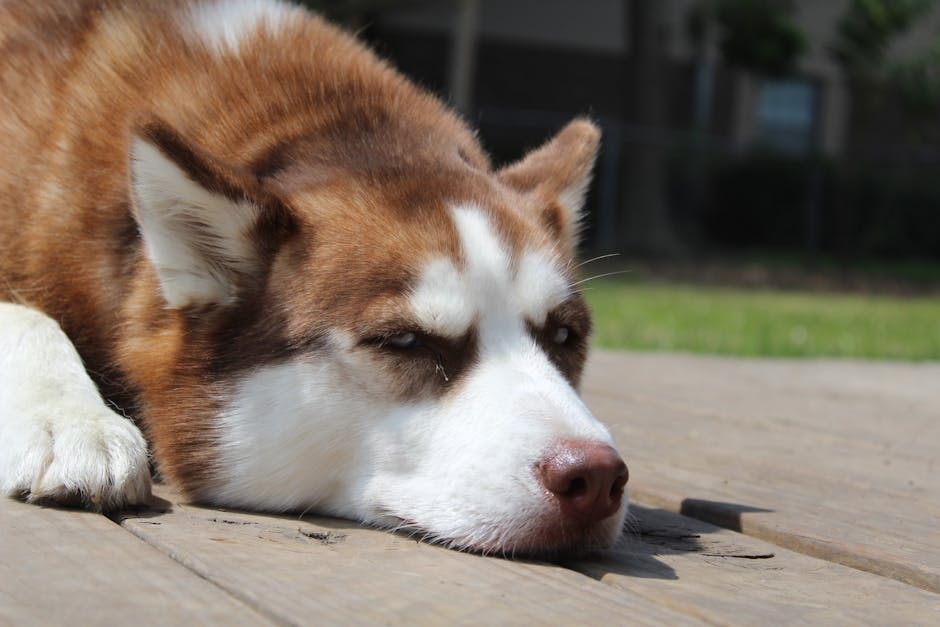
Understanding Husky Diarrhea
Diarrhea in Siberian Huskies is a common yet distressing issue for owners. While an occasional loose stool may not be alarming, persistent diarrhea can lead to dehydration and indicate underlying health problems. This guide covers everything from acute causes to chronic conditions, helping you identify when to treat at home and when to seek veterinary care.
Common Causes of Diarrhea in Huskies
Dietary Indiscretion
Huskies are notorious for eating things they shouldn’t — from garbage to spoiled food. Their curious nature often leads to digestive upset. Even a sudden switch in dog food brand or a new treat can trigger diarrhea.
Food Allergies and Intolerances
Many Huskies have sensitivities to common proteins like chicken, beef, or dairy. Grains and certain fillers can also cause loose stools. Look for patterns after feeding specific ingredients.
Parasites
Intestinal worms (roundworms, hookworms, giardia) are frequent culprits, especially in puppies or dogs that roam. Regular fecal exams are essential.
Infections
Bacterial (Salmonella, E. coli) or viral (parvovirus, coronavirus) infections can cause severe diarrhea. Vaccination reduces risk but doesn’t eliminate it.
Stress
Huskies are sensitive to environmental changes — moving, boarding, new pets, or loud noises. Stress-induced diarrhea is usually temporary.
Medical Conditions
Chronic diseases like Inflammatory Bowel Disease (IBD), pancreatitis, kidney disease, or thyroid issues can manifest as diarrhea. Older dogs are more prone.
| Cause | Key Signs | Typical Duration |
|---|---|---|
| Dietary indiscretion | Sudden onset, possible vomiting | 1–2 days |
| Food allergy | Itchy skin, ear infections, chronic diarrhea | Persistent unless diet changes |
| Parasites | Weight loss, dull coat, visible worms in stool | Until treated |
| Infection | Fever, lethargy, blood/mucus in stool | Variable, may need vet intervention |
| Stress | Normal behavior otherwise | 24–48 hours |
Symptoms Accompanying Diarrhea
Watch for additional signs that indicate severity:
- Lethargy or depression
- Vomiting (especially if multiple times)
- Blood or black, tarry stools
- Loss of appetite
- Straining or increased urgency
- Fever (ears hot, gums warm)
- Dehydration (dry gums, skin tenting)
When to See a Veterinarian
Seek professional help if:
- Diarrhea lasts more than 48 hours
- Your Husky is a puppy, senior, or has existing health issues
- Blood or black stool appears
- Accompanied by vomiting, fever, or severe lethargy
- Your dog stops drinking or shows signs of dehydration
- Suspected ingestion of a foreign object or toxin
Veterinarians may perform fecal tests, blood work, X-rays, or ultrasound to diagnose the cause.
Home Care and Treatment
Withholding Food (Short-Term)
For adult Huskies with mild diarrhea, fast for 12–24 hours (no food, plenty of water). This gives the gut a rest. Never withhold water – dehydration is dangerous.
Bland Diet
After the fast, introduce a bland diet:
- Boiled white rice or plain cooked pasta
- Boiled skinless chicken breast (shredded)
- Plain pumpkin puree (not pumpkin pie filling) – 1–2 tbsp per meal
- Low-fat cottage cheese or plain yogurt (if not lactose intolerant)
Feed small, frequent meals for 2–3 days, then gradually mix with regular food.
Probiotics and Fiber
Dog-specific probiotics help restore gut flora. Adding a teaspoon of plain psyllium husk or canned pumpkin adds soluble fiber to firm up stools.
Hydration
Offer fresh water always. For added electrolytes, provide unflavored Pedialyte (small amounts) or bone broth without onions/garlic.
Prevention Strategies
- Feed a consistent, high-quality diet appropriate for your Husky’s age.
- Avoid abrupt food changes – transition over 7–10 days.
- Keep trash cans sealed and supervise outdoor adventures.
- Schedule regular veterinary check-ups and fecal exams.
- Maintain up-to-date vaccinations, especially parvovirus and distemper.
- Minimize stress through routine and positive reinforcement.
- Consider a limited-ingredient diet if food allergies are suspected.
Frequently Asked Questions
Can I give my Husky Imodium or Pepto-Bismol?
Never use human anti-diarrheal medications without veterinary approval. Some can be toxic or mask serious problems.
Is it normal for a Husky puppy to have diarrhea?
Puppies are more prone due to immature immune systems and stress. However, diarrhea in a puppy warrants a vet visit sooner, as dehydration can be rapid.
How long should I try home treatment?
If no improvement after 48 hours, or if your Husky worsens at any time, see a vet. Chronic or intermittent diarrhea needs diagnostic workup.
Conclusion
Husky diarrhea is often manageable with prompt home care, but it’s crucial to recognize red flags. A healthy diet, regular vet checks, and stress reduction go a long way in preventing digestive upsets. Always trust your instincts – if your Husky seems off, a vet visit is never wasted.