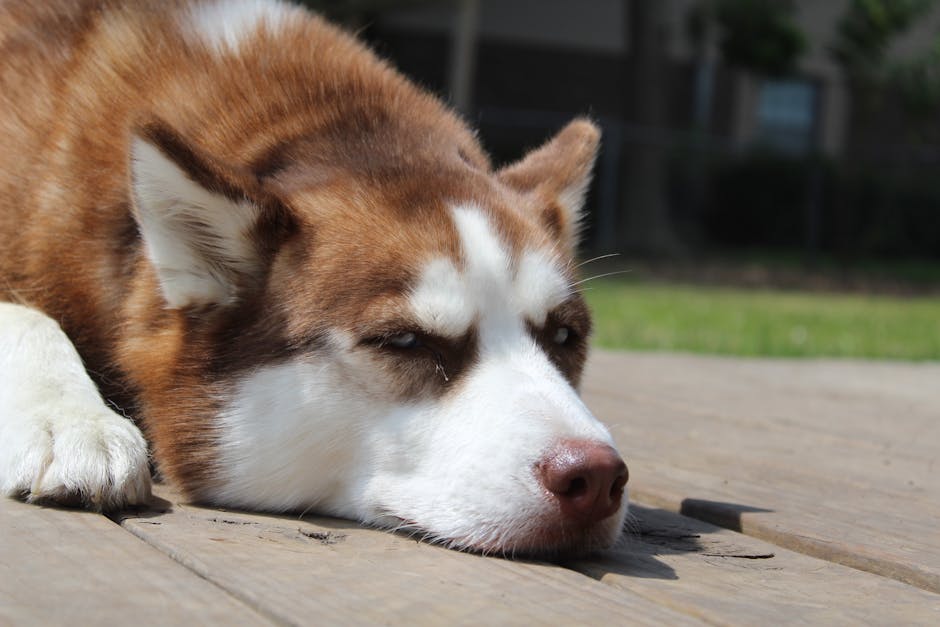
Understanding Husky Diarrhea: A Comprehensive Guide for Owners
Diarrhea in Siberian Huskies is a common but concerning issue. As a breed known for their sensitive digestive systems, Huskies can experience loose stools due to various factors. This guide will help you identify causes, symptoms, and effective treatments to keep your Husky healthy and happy.
Common Causes of Diarrhea in Siberian Huskies
Several factors can trigger diarrhea in Huskies. Understanding the root cause is key to proper treatment.
Dietary Indiscretion
Huskies are curious and may eat spoiled food, garbage, or foreign objects. This often leads to sudden diarrhea as the body tries to expel irritants.
Food Allergies or Intolerances
Siberian Huskies are prone to food sensitivities, especially to grains, chicken, or dairy. Switching to a limited-ingredient diet may help.
Sudden Diet Changes
Abruptly switching dog food brands or flavors can upset a Husky's stomach. Always transition slowly over 7–10 days.
Parasites
Intestinal worms (roundworms, hookworms, giardia) are common in puppies and outdoor dogs. Regular deworming is essential.
Bacterial or Viral Infections
Pathogens like Salmonella, E. coli, or canine parvovirus can cause severe diarrhea, often with vomiting or fever. Vaccination is critical.
Stress or Anxiety
Huskies are sensitive to environmental changes (moving, new pets, loud noises). Stress-induced diarrhea is usually short-lived.
Symptoms to Watch For
Not all diarrhea is the same. Monitor these characteristics:
| Characteristic | Possible Cause |
|---|---|
| Watery, no blood | Dietary indiscretion or stress |
| Dark, tarry (blood present) | Upper GI bleed (urgent) |
| Bright red blood or mucus | Colitis or infection |
| Yellow or frothy | Biliary issues or rapid transit |
| Accompanied by vomiting | Pancreatitis, toxin, or viral |
Other symptoms: lethargy, loss of appetite, dehydration (check skin elasticity), fever, or straining to defecate.
When to See a Veterinarian
Contact your vet if diarrhea persists more than 24 hours, or if your Husky shows any of these symptoms:
- Blood in stool (black or red)
- Vomiting with diarrhea
- Extreme lethargy or weakness
- Signs of dehydration (dry gums, sunken eyes, skin tenting)
- Frequent diarrhea in puppies (risk of dehydration is high)
- Known toxin ingestion (grape, xylitol, etc.)
Immediate veterinary care can prevent serious complications.
Home Care Tips for Mild Diarrhea
If your Husky is active and eating normally without vomiting, try these home remedies:
Bland Diet
Feed a mix of boiled white rice and plain cooked chicken (no bones, no skin) or pumpkin puree. Offer small meals every 4–6 hours.
Probiotics
Dog-specific probiotics support gut health. You can also give plain yogurt (if no lactose intolerance) or a probiotic supplement.
Fasting
Withhold food for 12–24 hours (only for adult dogs, not puppies). Provide plenty of fresh water to prevent dehydration.
Hydration
Ensure constant access to clean water. For picky drinkers, add ice cubes or unsalted chicken broth to encourage intake.
Natural Anti-Diarrheal Remedies
- Plain, unsweetened pumpkin (canned or cooked) – 1–3 tablespoons per meal
- Slippery elm powder – ½ teaspoon per 10 lbs body weight, mixed with food
- Chamomile tea (cooled) – can soothe the GI tract
Never give human anti-diarrheal medications like Imodium without veterinary approval.
Preventing Diarrhea in Huskies
Long-term strategies to keep your Husky's digestive system stable:
- Consistent feeding schedule: 2–3 times per day at same times.
- High-quality diet: Choose easily digestible proteins and limited ingredients.
- Slow transitions: Change food gradually over a week.
- Avoid table scraps: Rich, fatty, or spicy foods are hard on Huskies.
- Regular parasite prevention: Year-round deworming and fecal tests.
- Reduce stress: Provide a safe space, consistent routine, and positive reinforcement training.
- Keep trash secure: Huskies are notorious for raiding bins.
Special Considerations for Husky Puppies
Puppies are more vulnerable to diarrhea due to immature immune systems. Causes can include weaning stress, new diet, parasites, or viral infections (parvo is a major risk). Always consult a vet for persistent puppy diarrhea. Offer electrolyte solution if needed, and keep them warm and hydrated.
Conclusion
Husky diarrhea is manageable with proper knowledge and timely action. By understanding causes, recognizing warning signs, and implementing appropriate home care, you can help your Siberian Husky recover quickly. However, don’t hesitate to seek veterinary help when in doubt – your Husky’s health always comes first. A healthy gut means a happy, energetic companion!