The Ancient Call of the Wild
If you’ve ever lived with a Siberian Husky, you know that their vocalizations are far from ordinary. Among the most curious—and hilarious—behaviors is their reaction to sirens. The moment a fire truck, ambulance, or police car wails in the distance, your Husky might throw back their head and join the chorus. It’s a spectacle that leaves owners both amused and puzzled. Why do huskies howl at sirens? The answer lies in their ancient DNA and a deep-seated instinct that has been passed down through centuries.
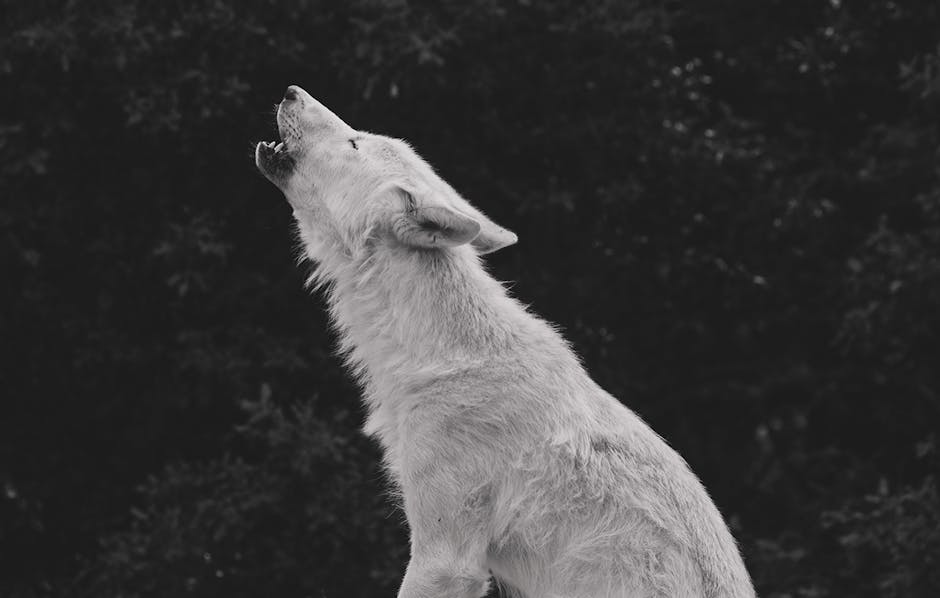
Huskies are one of the oldest dog breeds, originally developed by the Chukchi people of Siberia for sledding and companionship. Unlike many modern breeds, huskies have retained a strong connection to their wolf ancestors. Wolves howl to communicate over long distances—to rally the pack, signal location, or warn of danger. That primal urge is still alive in your fluffy couch potato. When a siren pierces the air, its pitch and resonance mimic the howl of a wolf, triggering an instinctive response in your Husky: join the pack call.
This behavior isn’t unique to huskies; many Spitz-type breeds (like Malamutes and Shiba Inus) also howl. But huskies have taken it to an art form. Their howls are often long, melodious, and loaded with emotion. And because huskies are natural performers, they love to show off their vocal talents—especially when they get a reaction from their humans.
So the next time your Husky starts singing along to a passing ambulance, remember: they’re not complaining, they’re communicating. It’s a beautiful (and funny) link to their wild heritage.
The Anatomy of a Howl
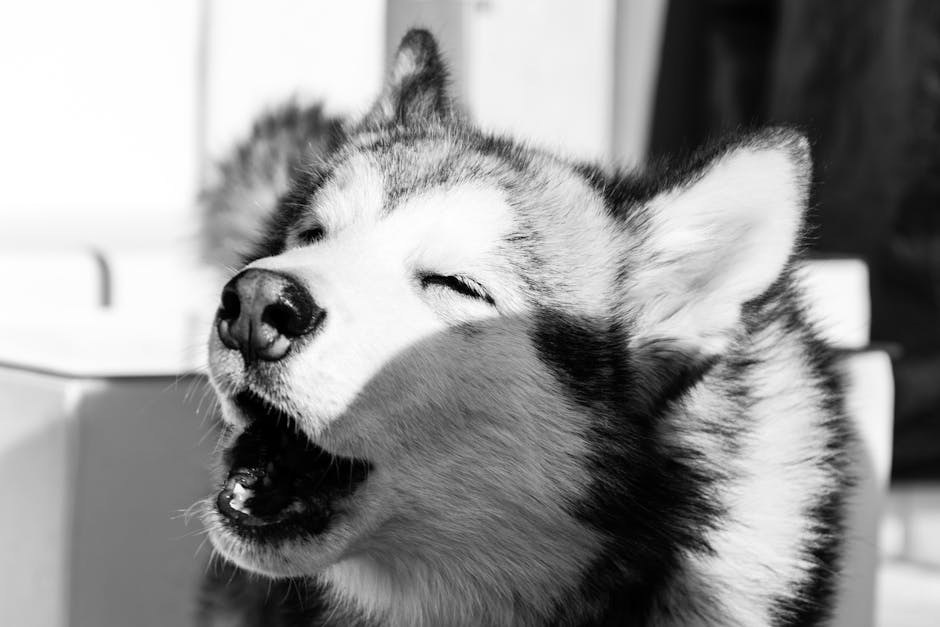
To understand the siren phenomenon, we need to look at how a Husky produces that iconic sound. A howl is different from a bark or a whine. It’s a sustained, low-frequency vocalization that carries over long distances. Wolves howl to assemble the pack or to claim territory. Huskies, being close wolf relatives, have the same vocal anatomy: a flexible larynx and a large chest capacity allow them to produce long, resonant notes.
When a Husky hears a siren, they often tilt their head back, close their eyes, and let out a series of rising and falling notes. The sound is often contagious—if one Husky in the neighborhood starts, others will follow. This is because howling is a social behavior. It reinforces the bond within the pack (your family) and declares, “I’m here, are you?” Sirens, with their varying pitches, can mimic that call, so your Husky feels compelled to answer.
It’s also worth noting that not all huskies howl at sirens. Some are more selective, while others will howl at anything that sounds musical: a harmonica, a violin, or even a singing commercial. This variation is tied to individual personality and how sensitive they are to auditory triggers. But for those who do, the reaction is nothing short of theatrical.
Why Sirens Trigger the Howl
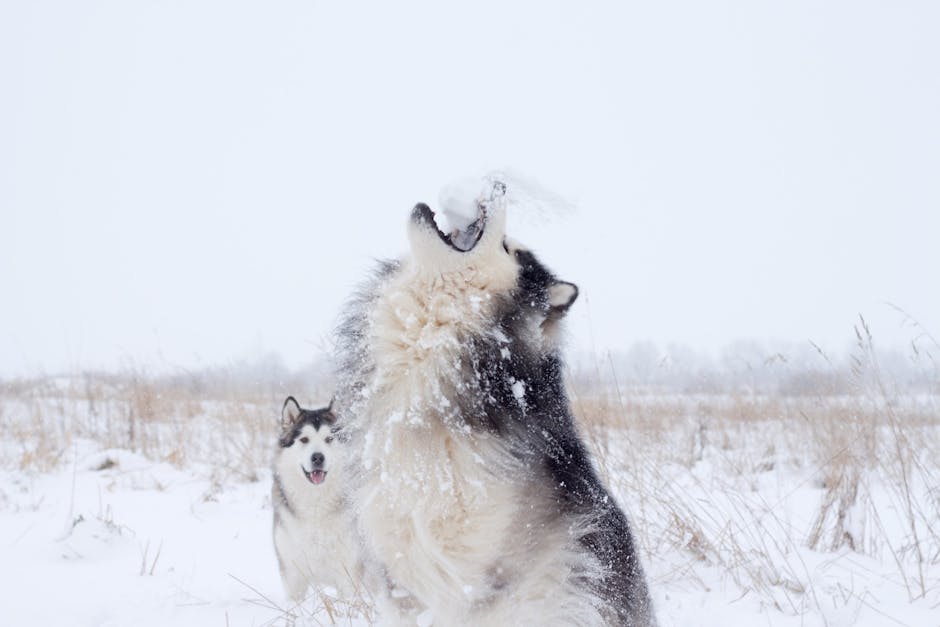
Sirens are designed to be attention-grabbing. They’re loud, piercing, and often rise and fall in pitch—exactly like a wolf howl. To a Husky’s ears, a siren sounds like a distant pack member calling out. Because huskies are pack-oriented, they feel an irresistible urge to respond. It’s not a sign of distress or pain; it’s a greeting.
Scientists believe that dogs who howl at sirens may have a high sensitivity to sound frequencies that overlap with their own vocal range. A typical siren cycles between 500 and 2000 Hz, which falls within the frequency range of a dog’s howl. The similarity is uncanny. For a Husky, hearing a siren is like hearing a familiar song—they can’t help but sing along.
There’s also an element of curiosity. Huskies are intelligent and often mischievous. They may howl simply to see what happens. Will you laugh? Will you join in? Many owners report that their huskies look at them after howling, as if waiting for a response. It becomes a game. And huskies love games.
Another factor is boredom. Huskies are high-energy working dogs. If left without stimulation, they might find entertainment in howling at every siren that passes. Providing mental and physical enrichment can reduce the frequency of siren-induced howling—but it rarely eliminates it entirely. Because overall, it’s in their blood.
Common Siren-Howling Behaviors and Reactions
Every Husky has a unique way of responding to sirens. Some are dramatic, others subtle. Below is a table of typical behaviors you might witness:
| Behavior | Description | Owners’ Typical Reaction |
|---|---|---|
| The Classic Howl | Head thrown back, eyes closed, long drawn-out howls | Amusement, sometimes recording for social media |
| The Answering Howl | Short bursts of howling in response to each siren pitch | Laughter, attempts to howl along |
| The Alert Howl | Pricks ears, then starts howling before the siren is audible to humans | Impressed by their hearing ability |
| The Silent Howl | Mouth open, head back, but no sound comes out (or very quiet) | Confusion, then adoration |
| The Group Howl | Multiple dogs in the household join in, creating a chorus | Chaos, laughter, sometimes earplugs |
| The Howl-and-Whine Combo | Starts howling, then transitions to whining as the siren fades | Sympathy, treats to comfort |
These behaviors highlight the individuality of each Husky. Some will howl only at specific types of sirens (like fire trucks), while others respond to any high-pitched sound. The funniest part is often the expression they make afterward: a look of pride, confusion, or sheer satisfaction.
Funny and Cute Reactions from Husky Owners
The internet is filled with viral videos of huskies howling at sirens, often with their owners howling back. One popular clip shows a Husky named Luna who starts howling every time a particular fire station siren goes off. Her owner, knowing the schedule, joins her for a daily duet. Another video features a Husky who howls so dramatically that he falls off the couch—much to the delight of viewers.
Owners often share stories of their huskies howling in the car when an ambulance passes, or howling along with police cars during a parade. Some huskies have been known to howl at sirens on TV, creating confusion when they can’t find the source. One Reddit user recounted how their Husky, Max, would howl at the microwave timer because it beeped at a similar pitch. The line between siren and household appliance becomes blurred.
These reactions aren’t just funny—they’re heartwarming. They show the deep bond between humans and their dogs. By howling together, owners and huskies share a moment of primal connection. It’s a reminder that our pampered pets still have a wild side, and sometimes the best thing you can do is howl along.
Should You Worry About Your Husky Howling at Sirens?
In most cases, howling at sirens is completely normal and harmless. It does not indicate pain, fear, or illness. However, there are a few things to keep in mind:
- Excessive howling: If your Husky howls at every siren (and there are many in your area), it could disturb neighbors. Training and distraction can help reduce the frequency.
- Separation anxiety: Some dogs howl when left alone as a sign of distress. If the howling occurs only when you are away and in response to sirens, it might be linked to anxiety. Consult a professional trainer if needed.
- Ear sensitivity: Very loud sirens can sometimes hurt a dog’s ears. Watch for signs like shaking the head, hiding, or whimpering. If your Husky seems distressed, try to block the sound or provide a safe space.
- Vocal cord strain: Rarely, excessive howling can irritate the throat. Ensure your Husky has access to water and doesn’t overdo it.
For the vast majority of huskies, howling at sirens is a joyful, instinctive act. It’s part of their charm. So instead of worrying, grab your phone and record the moment—these are memories you’ll treasure.
Tips for Managing (or Enjoying) the Siren Symphony
Whether you want to curb the howling or simply celebrate it, here are some practical tips:
Embrace the Howl
Why fight it? If your Husky loves to sing, join the choir. Howling together can strengthen your bond and provide enrichment. Many owners find it hilarious and bonding. You can even teach your Husky to howl on command—it’s a great party trick.
Distract and Redirect
If the noise becomes a problem, use treats or toys to distract your dog when a siren approaches. Practice a “quiet” command consistently. Reward your Husky for remaining calm. Over time, they may learn that not every siren requires a response.
Control the Environment
During known siren times (like daily noon testing), close windows or turn on white noise. This can reduce the trigger. For particularly sensitive dogs, a calming sound machine might help.
Provide Mental Stimulation
A bored Husky is more likely to obsess over sirens. Ensure your dog gets plenty of exercise, puzzle toys, and training sessions. A tired Husky is a quiet(er) Husky.
Record the Reactions
Don’t forget to capture the funny moments. You’ll want to look back on the time your Husky howled at a garbage truck or an ice cream truck jingle. These are the quirks that make the breed so special.
Conclusion
Huskies howl at sirens because it’s hardwired into their DNA. It’s a beautiful echo of their wolf ancestors, a form of communication, and often a source of pure entertainment. While occasional howling is completely normal, you can manage it with simple strategies if it becomes excessive. But honestly, most Husky owners wouldn’t trade those siren serenades for anything. It’s part of the unique personality that makes Siberian Huskies such beloved companions. So next time the sirens blare, let your Husky sing—and maybe sing along with them. It’s one of the funniest, most heartwarming reactions you’ll ever experience.