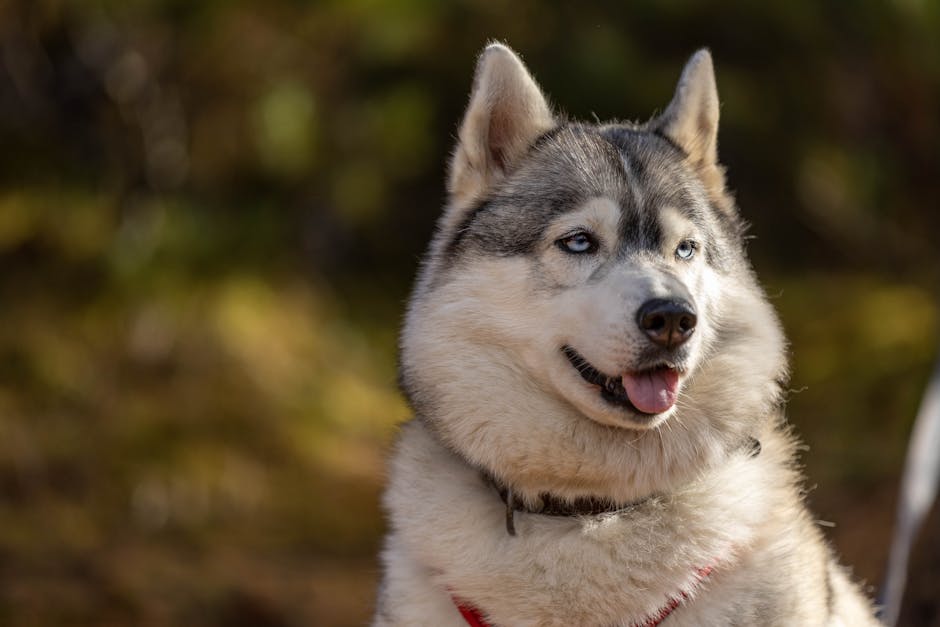
1. Understand Your Husky's Natural Vocalizations
Before you can teach your Husky to talk, you need to understand the sounds they already make. Huskies are known for their wide range of vocalizations—howls, whines, yodels, and even soft chattering. These aren’t random noises; they are part of your dog’s natural communication system. Pay close attention to when your Husky makes certain sounds. Does he howl when the doorbell rings? Does she whine when she wants to go outside? By mapping each sound to a specific context, you’ll learn which vocalizations are easiest to shape into human-like words.
Once you’ve identified your Husky’s most common sounds, you can start associating them with simple commands or words. For instance, if your Husky naturally makes a soft “aroo” sound when excited, you can pair that sound with the word “hello.” The key is to work with your dog’s existing repertoire rather than forcing completely new sounds. This builds a foundation for more complex “talking” later on.
2. Build a Strong Bond Before You Begin
Teaching a Husky to talk isn’t just about drilling commands—it’s about building a deep, trusting relationship. Huskies are intelligent and independent, so they need to feel motivated to communicate with you. Spend quality time playing, training, and simply hanging out with your dog. Use positive reinforcement in all interactions, not just during talking sessions. When your Husky sees you as a source of fun and rewards, they’ll be more eager to try new vocalizations.
A strong bond also helps you read your dog’s emotional state. A stressed or bored Husky won’t learn well. Make sure your training sessions are short (5–10 minutes), upbeat, and always end on a positive note. Talk to your dog in a cheerful tone and reward every small attempt at vocalizing. Over time, your Husky will learn that “talking” is a great way to get your attention and treats.
3. Choose Simple Words or Sounds
Start with one or two easy words that match your Husky’s natural sounds. For example, many Huskies can learn to say “I love you” by modifying their characteristic howl. Other common words include “hello,” “mom,” “dad,” or “go.” Don’t aim for perfect pronunciation—focus on the rhythm and length of the sound. A Husky saying “I love you” might come out as “ah-roo-lah-roo,” but that’s still a fantastic achievement.
When choosing your word, say it clearly and with the same inflection every time. Use a treat or toy as a reward when your dog makes any sound that resembles the word. Be patient: it may take dozens of repetitions before your Husky connects the sound with the word. Once your dog reliably makes the sound on cue, you can start shaping it to be closer to the actual word.
4. Use Positive Reinforcement and High-Value Treats
Positive reinforcement is the cornerstone of teaching any trick, and teaching your Husky to talk is no exception. Use treats that your dog absolutely loves—small pieces of chicken, cheese, or commercial training treats. When your Husky makes the desired sound, immediately mark it with a clicker or a word like “yes” and then give the treat. Timing is critical: the reward must come within one second of the sound.
Also, vary your rewards to keep your dog engaged. Sometimes use a treat, other times use a toy, praise, or a belly rub. This unpredictability makes the behavior stronger. Avoid punishing or correcting your dog for not talking correctly—that will only make them afraid to try. Huskies are sensitive to your mood, so keep the training session fun and stress-free.
5. Add Hand Signals or Cues
Visual cues can help your Husky understand what you want even when your voice isn’t clear. Pair a specific hand gesture with the spoken word. For example, when you say “hello,” make a waving motion. When you say “I love you,” bring your hand to your heart. Since Huskies are quick to pick up on body language, they’ll soon associate the gesture with the vocalization.
Hand signals are also useful if you ever want to move the talking behavior into a quiet setting. Once your Husky reliably talks with both the spoken cue and hand signal, you can fade the spoken cue and just use the gesture. This can be a fun party trick and also reinforces the vocal behavior without relying on your voice. Remember to reward every successful attempt, even if the sound is rough.
6. Practice Patience and Consistency
Teaching a Husky to talk is not a quick process. Some dogs pick it up in a few weeks; others may take months. The key is to practice every day, even if only for five minutes. Consistency in your cues, rewards, and tone of voice will help your dog understand what you expect. Keep a training log if necessary, noting which sounds your dog makes and how they improve over time.
If your Husky gets frustrated or loses interest, take a break. Never force your dog to keep trying; that can backfire and make them avoid the behavior entirely. Instead, end on a positive note with a simple trick they already know. Remember that the goal is to have fun and strengthen your bond, not to create a perfect talking dog. Celebrate every small success, and soon your Husky will be chatting away.
7. Turn It into a Game with Interactive Toys
Once your Husky can produce the target sound on cue, you can incorporate talking into games. For example, hide a treat and say “find it” while asking your Husky to “talk” as a clue. Or use a talking button that your dog presses to “speak” a word. Many owners combine vocalizations with talking buttons, but you can also just use your voice. The game aspect makes learning feel like play, which Huskies love.
Interactive games also help generalize the behavior. Your Husky will learn to talk in different environments: inside the house, in the yard, or even on walks (with proper control). Always reward generously during these sessions. Over time, you may even notice your Husky spontaneously “talking” to get your attention or to ask for things—that’s a sign you’ve succeeded in teaching them to communicate with you in a whole new way.