Siberian Huskies are famously vocal dogs. They don't just bark – they howl, whine, chirp, and grunt in ways that can sound eerily like human speech. Teaching your Husky to "talk" on cue is not only a fun party trick but also deepens your bond and provides mental stimulation. In this guide, you’ll learn step-by-step methods to encourage and shape your Husky’s natural vocalizations into controlled, adorable "conversations."
Understanding Husky Vocalizations
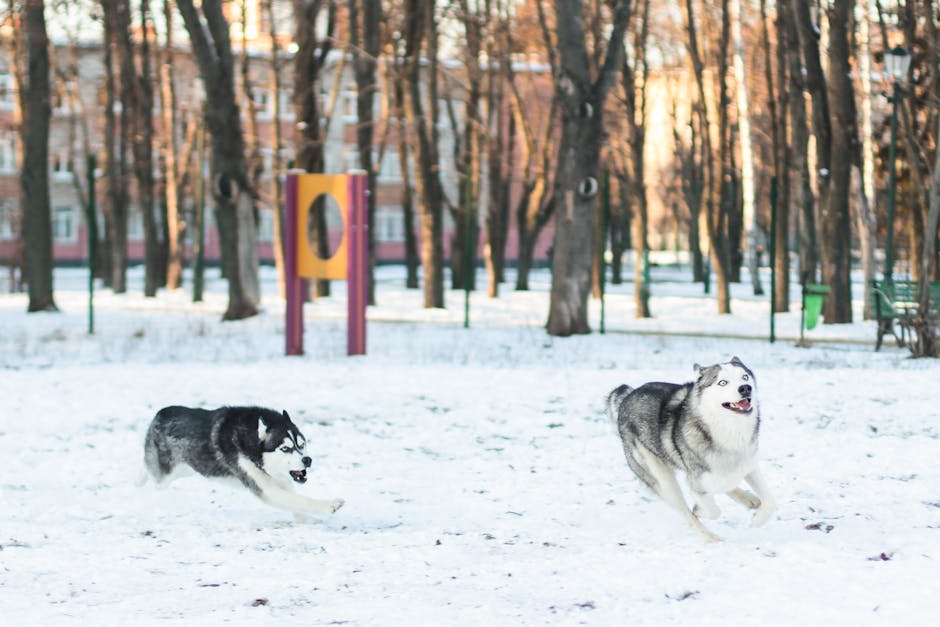
Before you can teach your Husky to talk, you need to understand the sounds they naturally make. Huskies are pack dogs that use a wide range of vocalizations to communicate. Common sounds include:
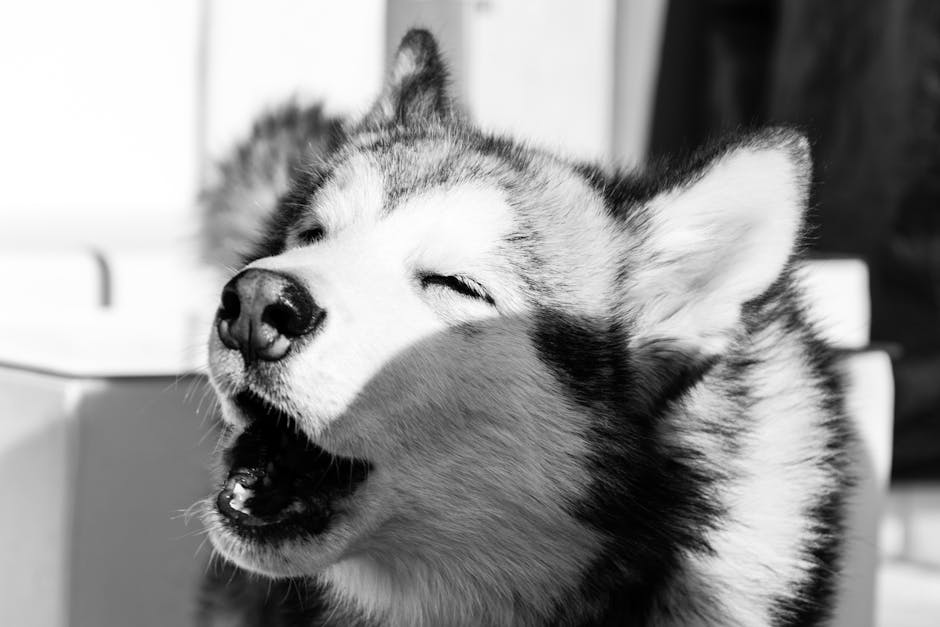
- Howls – Long, drawn-out sounds used for long-distance communication.
- Woo-woo’s – Rhythmic, rising-and-falling pitches that often mimic human speech patterns.
- Whines and whimpers – High-pitched sounds indicating excitement, frustration, or a request.
- Grumbles and growls – Low-pitched sounds that can be playful or warning.
- Roo-roo’s – Short, repeated howls often used when excited.
Most Husky owners describe their dog’s attempts to “talk” as a series of woo-woo’s mixed with changes in pitch and inflection. Your goal is to capture these natural vocalizations and attach a cue, such as “speak” or “talk”.
Why Teach Your Husky to "Talk"?
Beyond the sheer entertainment value, teaching your Husky to vocalize on command offers several benefits:
- Mental stimulation: Learning new tricks exercises your Husky’s intelligent mind.
- Bonding: Positive training sessions strengthen your relationship.
- Communication: You learn to read your dog’s subtle vocal cues better.
- Fun for guests: A Husky that “talks” on cue is a memorable party trick.
Prerequisites for Training
Before you start teaching “talk,” ensure your Husky has a solid foundation in basic obedience (sit, stay, come). You will also need:
- High-value treats – small, soft, and aromatic (e.g., cheese, chicken, liver).
- Quiet environment – minimal distractions at first.
- Patience – some Huskies are naturally quiet; others need encouragement.
- A clicker (optional) – for precise marking of the behavior.
Step-by-Step Training Techniques
Capture the Howl
The easiest way to start is to catch your Husky in the act of howling or woo-wooing. Most Huskies howl when they hear sirens, certain music, or when they are excited to see you. Have treats ready. The moment your dog howls, say “Yes!” or click, then give a treat. Repeat consistently so your Husky associates the sound with a reward. After several repetitions, you can add a cue word like “Speak” or “Talk” just before the howl happens.
Shape the "Talking" Behavior
If your Husky doesn’t howl naturally often, you can shape the behavior. Use a trigger that typically elicits a vocal response, such as playing a video of a howling dog on your phone. Start the video, and as soon as your Husky makes any sound (even a whine), mark and treat. Gradually require longer or more “talk-like” sounds before rewarding. This method may take several sessions, but it is effective for less vocal dogs.
Use Cue Words
Once your Husky reliably makes the desired sound when you show the trigger, start saying your chosen cue word (e.g., “Talk to me!”) just before the trigger. Then, fade out the trigger over time so that the cue alone produces the behavior. Be consistent with the word and tone of voice. Many Huskies respond well to an excited, high-pitched “Talk!”
Add Hand Signals
Dogs respond strongly to visual cues. Pair your verbal cue with a hand signal – for example, twirling your finger near your ear or moving your hand in a circular motion near your mouth. Use the signal just before the verbal cue. Eventually, your Husky will respond to the hand signal alone, which is great for quiet environments.
Practice and Generalize
Practice the “talk” command in different locations (living room, yard, park) and with different distractions. This ensures your Husky understands the cue in any context. Keep training sessions short (5–10 minutes) and always end on a positive note with a treat and praise.
Troubleshooting Common Challenges
| Challenge | Solution |
|---|---|
| Husky won’t vocalize at all | Try a higher-value treat, use a recorded howl, or get a family member to howl to trigger your dog. Some dogs need more time to feel comfortable. |
| Husky barks instead of howls | Encourage only the desired sound by ignoring barks and rewarding only howls or woo-woos. Be patient – shaping takes time. |
| Husky becomes overly excited | End the session calmly. Use lower-value treats and keep sessions very short to avoid over-arousal. |
| Dog quiets down as soon as you have treats | Use a clicker to mark the sound before you reach for the treat. The click becomes the reward predictor. |
Safety and Limitations
While teaching your Husky to talk is fun, be mindful of not encouraging excessive vocalization. Never punish your dog for being quiet. If your Husky starts “talking” excessively at unwanted times (like barking at neighbors), you can teach a “quiet” command afterward. Also, some Huskies have medical conditions that affect their voice; always check with your vet if you notice any sudden changes in your dog’s ability or willingness to vocalize.
Fun Variations
Once your Husky has mastered the basic “talk” command, you can add fun variations:
- "Say I love you": Shape a specific three-part woo-woo pattern by rewarding only the sequence that sounds like “I love you”.
- Singing duet: Howl along with your Husky and have them mimic your pitch changes.
- Telephone game: Have a friend call you and let your Husky “talk” into the phone – great for laughs!
Frequently Asked Questions
| Question | Answer |
|---|---|
| Can all Huskies learn to talk? | Most Huskies are inherently vocal, but individual variation exists. Even quiet Huskies can be taught to make some sound on cue with patience. |
| How long does it take to teach “talk”? | Depending on your dog’s natural vocalization frequency, it can take anywhere from a few days to several weeks of daily short sessions. |
| Is it bad to encourage barking? | If you are teaching a specific howl or woo-woo, you are not promoting nuisance barking. Always balance with a “quiet” command. |
| Can I teach an older Husky to talk? | Absolutely! Older dogs can learn new tricks. Use the same positive reinforcement methods – they may just need a bit more patience. |
Conclusion
Teaching your Husky to talk is a rewarding experience that showcases their unique personality and intelligence. By understanding their natural vocalizations, using positive reinforcement, and progressing step by step, you can have your furry friend “chatting” with you in no time. Remember to keep sessions fun, respect your dog’s limits, and never force vocalization. Happy training – and get ready for some of the most adorable conversations you’ll ever have with a dog!