Why do Siberian Huskies need special brushing?
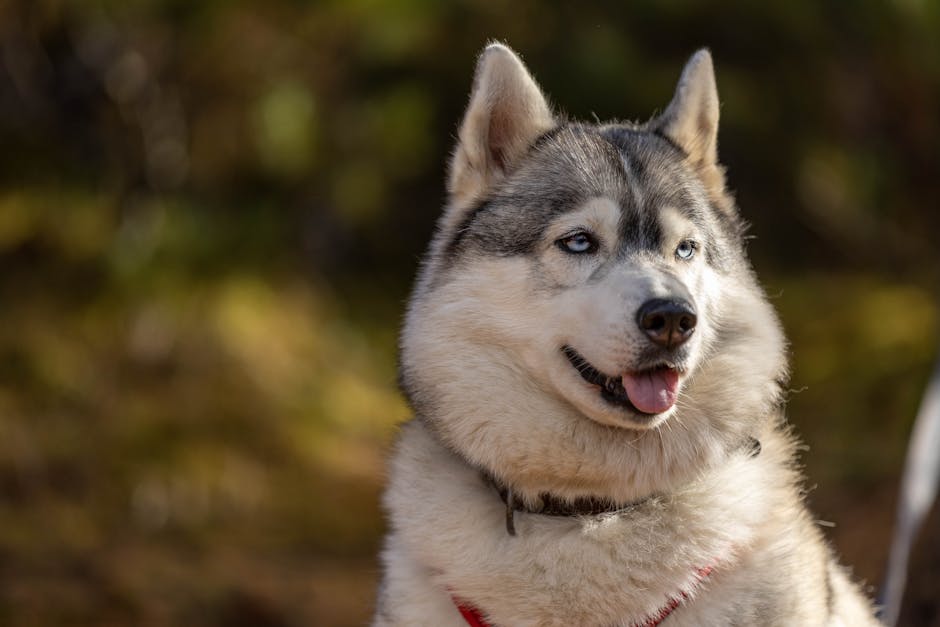
Siberian Huskies have a double coat: a dense, woolly undercoat for insulation and a longer, coarser topcoat that repels water. This combination makes them prone to heavy shedding, especially during seasonal blowouts in spring and fall. Regular brushing is important for remove loose fur, prevent mats, and distribute natural oils that keep the coat healthy.
Without proper brushing, dead undercoat can become trapped, leading to discomfort, skin irritation, and even hot spots. A specialized brush designed for double-coated breeds reaches through the topcoat to lift out the undercoat without damaging the skin. Using the wrong brush can be ineffective or even hurt your husky.

What is the best brush for huskies overall?
Most grooming experts recommend a high-quality undercoat rake as the best brush for huskies. An undercoat rake has long, rounded-tip metal teeth that penetrate the thick coat to remove loose undercoat without cutting the outer guard hairs. Look for a rake with rotating pins to minimize pulling and make the experience more comfortable for your dog.
For daily upkeep, a combination of an undercoat rake and a slicker brush works well. The rake does the heavy lifting during shedding season, while a slicker brush removes surface debris and keeps the topcoat glossy. Brands like FURminator, Hertzko, and Chris Christensen are popular among husky owners.
Is a FURminator safe for huskies?
The FURminator deShedding Tool is effective but must be used with caution on double-coated breeds like the Siberian Husky. Its stainless steel edge cuts through undercoat, but overuse or harsh pressure can damage the topcoat or irritate the skin. Use it only during heavy shedding periods and never more than once a week.
If you choose a FURminator, opt for the large or extra-large size for a husky. Always brush in the direction of hair growth, and stop if you see redness or excessive loose hair. Many owners prefer a gentler undercoat rake for routine grooming to avoid accidental damage.
How often should I brush my husky?
During most of the year, brush your husky at least two to three times per week. This reduces loose hair in your home and keeps the coat mat-free. During seasonal blowouts (usually twice a year), brushing should become a daily ritual, sometimes even twice a day, to keep up with the massive amount of shedding.
Consistency is key. Even if your husky doesn’t seem to shed much, regular brushing stimulates blood circulation and bond with your pet. Skipping sessions leads to tangles and an uncomfortable dog. Adjust frequency based on your husky’s coat condition and time of year.
Can I use a slicker brush on a husky?
Yes, a slicker brush is a valuable tool for huskies, especially for the outer coat and sensitive areas like the legs, tail, and behind the ears. It helps remove loose hair, dirt, and small mats. Choose a slicker with fine, bent wires and a cushioned pad to avoid scratching the skin.
However, a slicker brush alone is not sufficient for the undercoat. It works best as a finishing brush after using an undercoat rake or deshedding tool. Use gentle, short strokes to avoid irritation. Regular slicker brushing also distributes natural oils, giving the coat a healthy shine.
What type of brush is best for a husky puppy?
Husky puppies have softer, less dense coats than adults, but they still benefit from early grooming. For puppies, start with a soft bristle brush or a small slicker brush. This helps them get used to being brushed without fear. As the puppy grows and develops its adult double coat, you can transition to an undercoat rake.
Brushing a puppy gently a few times a week builds positive associations. Use treats and praise. Avoid strong tools like FURminator until the coat fully matures (usually around one year). A gentle approach now ensures easier grooming sessions later.
Do I need a dematting tool for my husky?
If you brush regularly, mats are uncommon in huskies, but they can form in areas with friction, such as behind the ears, under the collar, or in the armpits. A dematting tool, such as a mat splitter or a comb with serrated edges, can help safely cut through tangles without pulling your dog's skin.
Use dematting tools sparingly. If a mat is close to the skin or large, consider a professional groomer to prevent injury. Prevention through regular brushing is far better than dealing with painful mats. A de-matting rake can be a useful backup, but not an everyday brush.
How do I choose the right bristle brush for a husky?
Bristle brushes are generally not the best choice for huskies because they cannot penetrate the thick double coat. They are only useful for the finishing touch, adding shine to the topcoat. If you use a bristle brush, choose one with natural boar bristles, which help distribute oils and smooth the outer layer.
A bristle brush might be used on a husky's face, tail, or legs where the coat is shorter. But for the main body, stick with an undercoat rake or a slicker brush. Owners rarely rely on a bristle brush alone because it doesn't address shedding.
What about grooming gloves or shedding blades?
Grooming gloves can be a fun way to remove loose hair, especially if your husky enjoys the massage-like sensation. They are good for quick touch-ups and bonding, but they don’t replace a proper brush. They work best on the topcoat and light undercoat removal.
Shedding blades (also called stripping knives) are not recommended for huskies. They are designed for short-haired dogs and can damage the husky's double coat. Stick with purpose-designed tools for double-coated dogs to avoid ruining the coat’s natural protection.
How do I maintain my husky's brush?
Keep your brushes clean to ensure they work effectively. After each use, remove hair from the bristles with a comb or a cleaning tool. Wash brushes monthly with mild soap and warm water, allow to dry completely. Rotating pin rakes should be oiled occasionally to keep the mechanism smooth.
Inspect brushes for bent or broken pins that could hurt your dog. Replace brushes that show wear. A well-maintained brush lasts longer and makes grooming more pleasant. Store brushes in a dry place away from direct heat.
Recommended Products for Your Husky
As an Amazon Associate, we earn from qualifying purchases. Learn more.
- Undercoat Deshedding Tool — Check price on Amazon
- Slicker Brush — Check price on Amazon
- Dog Rake — Check price on Amazon
Frequently Asked Questions
Do I need a special harness?
Yes — a front-clip no-pull harness controls pulling without choking. Avoid collars for leash training this breed.
What size crate for a Husky?
A 48-inch crate fits most adults. They should stand, turn, and lie down comfortably without excess room to soil a corner.
Should I get a GPS tracker?
For an escape-prone breed, a GPS collar is cheap insurance. Look for long battery life and real-time tracking.
Editor's Note
We've learned the hard way that a harness left on an unsupervised husky is a blockage risk. Chewed straps swallowed are a surgery we've helped owners avoid by saying 'take it off indoors' from day one.
Sources & Further Reading
HuskySpot researches each topic against recognized breed and veterinary authorities. The following organizations inform our content: