Bringing home a Siberian Husky puppy is an exciting adventure. These intelligent, energetic, and strikingly beautiful dogs have a unique set of needs that every new owner must understand. This comprehensive husky puppy guide covers everything from preparing your home to training, feeding, grooming, and health care. Whether you are a first-time Husky parent or an experienced owner, these detailed insights will help you raise a happy and well-adjusted companion.
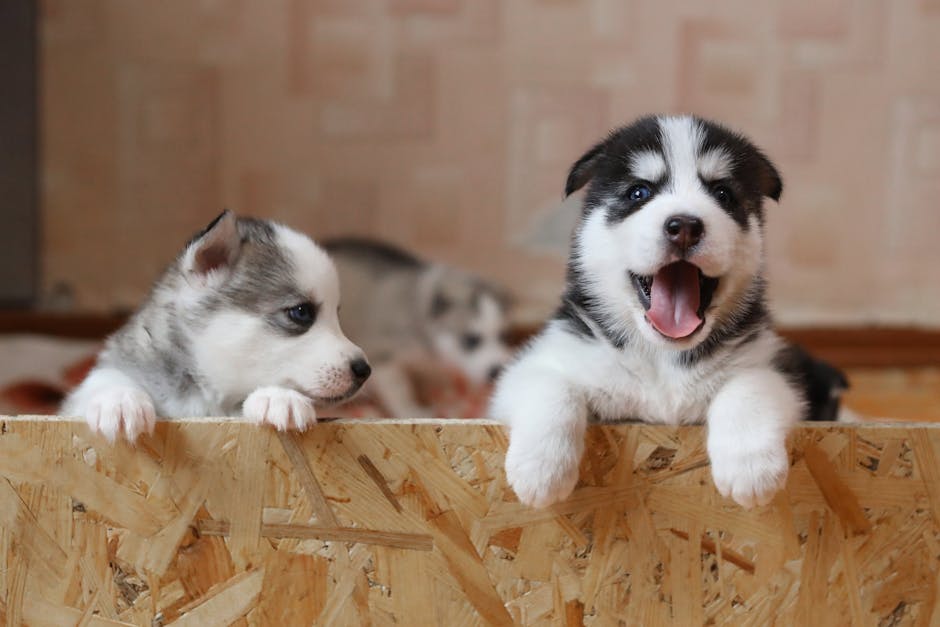
Preparing Your Home for a Husky Puppy
Before your Husky puppy arrives, you need to create a safe and welcoming environment. Huskies are natural escape artists, so puppy-proofing is critical. Secure any gaps in fences, use strong latches on gates, and remove toxic plants or chemicals from reach.
Essential Supplies Checklist
- Crate: A durable, appropriately sized crate for housetraining and safety.
- Bedding: Comfortable, washable dog bed or blanket.
- Food and Water Bowls: Heavy stainless steel bowls to prevent tipping.
- High-Quality Puppy Food: Specifically formulated for large-breed puppies to support proper growth.
- Leash and Collar: A flat collar and a sturdy 6-foot leash. Avoid retractable leashes during training.
- Chew Toys: Durable rubber toys or teething rings to discourage destructive chewing.
- Grooming Tools: Slicker brush, undercoat rake, nail clippers, and dog-safe shampoo.
Set up a designated area with the crate, bedding, and toys. Use baby gates to block off rooms where the puppy shouldn't wander unsupervised. A well-prepared home minimizes stress and sets the stage for successful training.
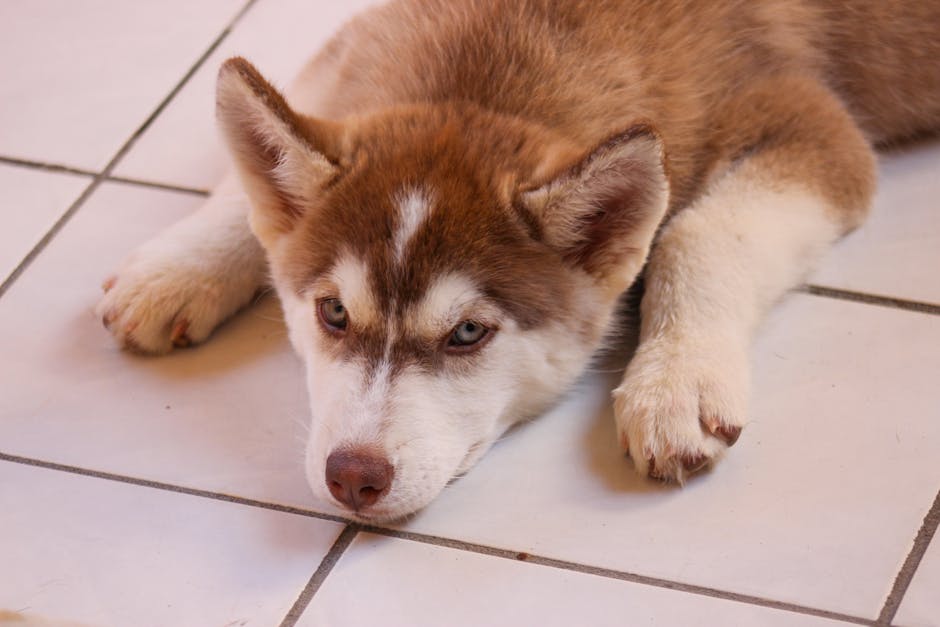
Feeding a Husky Puppy: Nutritional Needs
Proper nutrition is vital for a Husky puppy's development. These dogs have unique dietary needs due to their high energy levels and sensitive digestive systems.
| Age | Meals Per Day | Recommended Food Type | Portion Guide (per meal) |
|---|---|---|---|
| 8–12 weeks | 4 meals | Large-breed puppy kibble (soaked in warm water) | ½ – ¾ cup |
| 3–6 months | 3 meals | Large-breed puppy kibble | ¾ – 1 cup |
| 6–12 months | 2 meals | Puppy kibble (transition to adult food at 12–15 months) | 1 – 1½ cups |
Key nutritional tips:
- Choose food with high-quality animal protein (chicken, fish, lamb) as the first ingredient.
- Avoid foods with excessive fillers like corn, soy, or by-products.
- Supplement with omega-3 fatty acids for healthy skin and coat (consult your vet).
- Provide fresh water at all times, but limit water intake an hour before bedtime to aid housetraining.
- Do not overfeed – Husky puppies are prone to obesity if portion sizes are not monitored.
Consult your veterinarian for a customized feeding plan based on your puppy's activity level and growth rate.
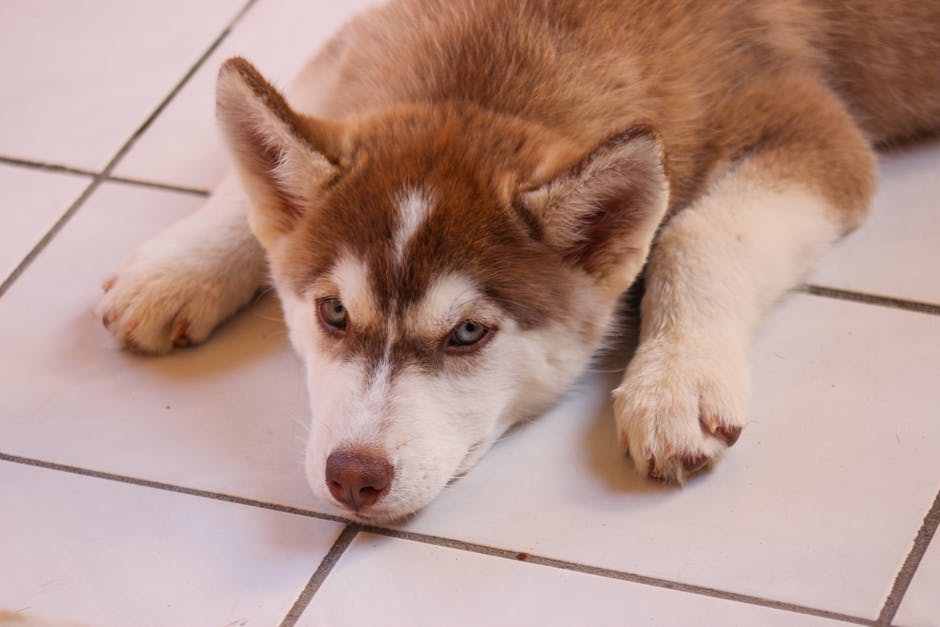
Husky Puppy Training Basics
Training a Husky puppy requires patience, consistency, and positive reinforcement. Huskies are intelligent but independent, so they can be stubborn. Start training the day your puppy comes home.
Crate Training
The crate should be a safe haven, never a punishment. Introduce it gradually: leave the door open, toss treats inside, and feed meals in the crate. Begin with short intervals and slowly increase duration. Never force the puppy into the crate.
Housetraining
Take your puppy outside frequently: first thing in the morning, after meals, after naps, and every 1–2 hours. Choose a consistent spot and use a command like “go potty.” Praise and reward immediately after elimination. Accidents happen – clean them with an enzymatic cleaner to remove scent markers.
Basic Obedience
Focus on three commands early: “sit,” “stay,” and “come.” Use high-value treats (small pieces of chicken or cheese) and keep sessions short (5–10 minutes). Huskies respond well to clicker training. Avoid harsh corrections, which can damage trust.
Pro tip: Huskies have a strong prey drive and may ignore recall when off-leash. Always practice recall in a secure, fenced area. A long training line (20–30 feet) is a useful tool for outdoor practice.
Leash Training
Start indoors with a loose leash. Reward your puppy for walking beside you without pulling. If they pull, stop moving and wait until the leash loosens. Gradually move to quiet outdoor environments. Huskies love to run, so early leash training is important for safe walks.
Socialization and Exercise
Socialization is one of the most critical aspects of raising a well-balanced Husky puppy. The critical window is between 3 and 16 weeks of age. Expose your puppy to several people, dogs, environments, sounds, and surfaces in a positive, controlled manner.
Socialization Checklist
- Meet friendly, vaccinated adult dogs.
- Visit dog-friendly stores, parks (carry your puppy), and friends' homes.
- Introduce different sounds: vacuum cleaner, traffic, children playing, thunder (use low volume recordings).
- Handle paws, ears, and mouth regularly to prepare for grooming and vet visits.
Exercise needs: Husky puppies have abundant energy but require age-appropriate exercise. Over-exercising can damage growing joints. Follow the “5-minute rule” – aim for five minutes of structured exercise per month of age, twice a day. For example, a 4-month-old puppy needs about 20 minutes of play or walk, twice daily.
Interactive games like fetch, tug-of-war, and puzzle toys are excellent for mental stimulation. Avoid forced running (like jogging) until the puppy is at least 12–18 months old and has passed a vet exam.
Grooming a Husky Puppy
Huskies have a thick double coat that sheds year-round and “blows” heavily twice a year. Start grooming habits early to make coat maintenance a positive experience.
- Brushing: Brush your puppy 2–3 times per week using a slicker brush and an undercoat rake. During heavy shedding seasons, increase to daily brushing.
- Bathing: Bathe only when necessary – every 2–3 months or if they get into something messy. Use a dog-specific shampoo; over-bathing strips natural oils.
- Nail trimming: Check nails every 2 weeks. If you hear clicking on the floor, they are too long. Use a guillotine-style clipper or grinder.
- Ear cleaning: Wipe the outer ear with a vet-recommended cleaner. Never insert cotton swabs into the ear canal.
- Dental care: Brush your puppy’s teeth with dog-safe toothpaste several times a week to prevent dental disease.
Introduce each grooming tool slowly, pairing it with treats. Regular grooming is an opportunity to bond and check for skin issues, parasites, or lumps.
Common Health Issues in Husky Puppies
While Siberian Huskies are generally healthy, they are predisposed to certain conditions. Responsible breeders screen for these issues, but as a puppy owner, you should be aware of them.
| Health Issue | Symptoms | Prevention/Treatment |
|---|---|---|
| Hip Dysplasia | Lameness, difficulty standing, bunny-hopping gait | Maintain healthy weight; avoid over-exercising; X-ray screening |
| Juvenile Cataracts | Cloudy eyes, bumping into objects | Genetic testing in parents; can be surgically corrected |
| Gastric Dilatation-Volvulus (Bloat) | Distended abdomen, unproductive retching, restlessness | Feed smaller meals; avoid exercise around mealtimes; emergency veterinary care |
| Zinc Deficiency Dermatosis | Crusty skin, hair loss, especially around nose and eyes | Zinc supplementation under vet guidance |
| Parvovirus (highly preventable) | Vomiting, bloody diarrhea, lethargy | Complete vaccination series; avoid high-traffic dog areas until fully vaccinated |
Schedule a vet visit within 48 hours of bringing your puppy home for a full check-up, vaccinations, and parasite prevention. Keep records of deworming and booster shots. Pay attention to changes in appetite, energy, or stool – early detection often leads to better outcomes.
Conclusion
Raising a Siberian Husky puppy is a rewarding journey filled with playful antics, loyalty, and boundless energy. By following this husky puppy guide – from home preparation and feeding to training, grooming, and health monitoring – you are setting yourself and your puppy up for a lifetime of joy. every Husky is an individual; adapt these tips to your puppy's unique personality. Invest time in positive training, provide plenty of stimulation, and always prioritize your puppy's well-being. With dedication and love, your Husky will become a cherished family member who thrives by your side.
Recommended Products for Your Husky
As an Amazon Associate, we earn from qualifying purchases. Learn more.
- Puppy Starter Kit — Check price on Amazon
- Puppy Crate — Check price on Amazon
- Puppy Toys — Check price on Amazon
Frequently Asked Questions
What should I buy before a Husky puppy?
A crate, chew toys, a harness (not a collar for pulling), a groomer-grade brush, and puppy food. Skip the tiny water bowl — they grow fast.
How do I housebreak a Husky puppy?
Take them out every hour, after meals, and on waking; reward immediately. Crate overnight so they won't soil their den.
When can Husky puppies leave their mother?
Not before 8 weeks — earlier weaning harms socialization. Many breeders hold to 10–12 weeks for stability.
Editor's Note
We've raised enough husky puppies to respect the eight-to-twelve-week window above everything else. The owners who pushed a hundred new experiences in those weeks have the confident adults; the ones who waited got the fearful ones.
Sources & Further Reading
HuskySpot researches each topic against recognized breed and veterinary authorities. The following organizations inform our content: