Itchy skin is a common complaint among Siberian Husky owners. Whether it's constant scratching, licking, or biting at their fur, this issue can be distressing for both dog and owner. Understanding the underlying causes is key to providing relief. Here are 7 common reasons your Husky might be suffering from itchy skin and what you can do about it.
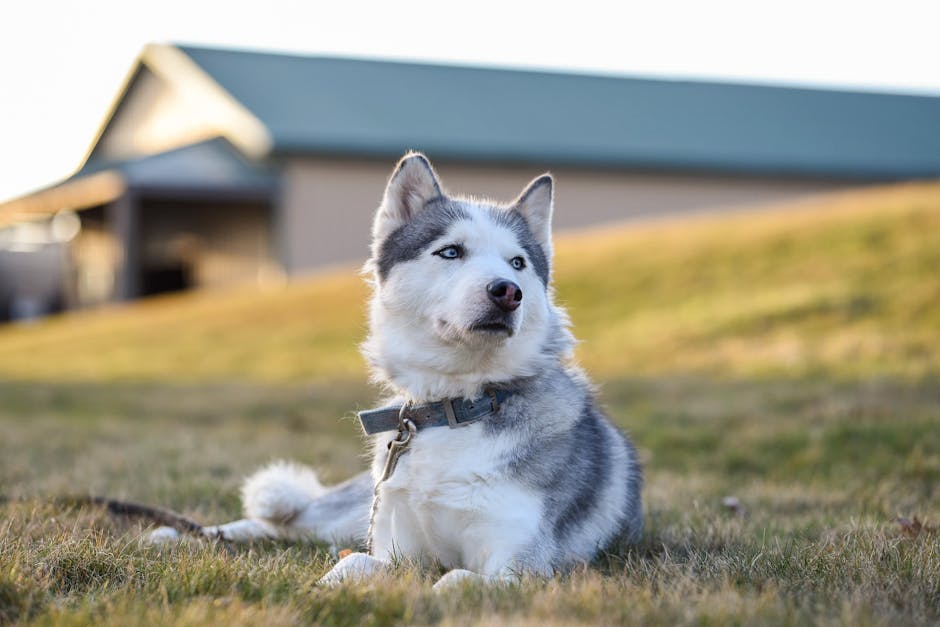
1. Food Allergies
Food allergies are a frequent trigger for itchy skin in Huskies. Proteins like chicken, beef, and dairy are common offenders, but grains such as wheat and corn can also cause reactions. Symptoms often include red, inflamed skin, excessive scratching, ear infections, and sometimes gastrointestinal upset like diarrhea or vomiting.
Diagnosing a food allergy typically requires an elimination diet under veterinary supervision. Switch your Husky to a novel protein source (e.g., fish, venison, or duck) and a limited ingredient carbohydrate like sweet potato or peas. Feed this exclusively for 8–12 weeks and monitor for improvement. If symptoms resolve, gradually reintroduce old ingredients to pinpoint the trigger.
Treatment involves lifelong avoidance of the offending ingredient. Adding omega-3 fatty acid supplements can help reduce inflammation and soothe the skin. Always consult your vet before making major dietary changes.
2. Environmental Allergies (Atopic Dermatitis)
Huskies can develop sensitivities to environmental allergens like pollen, mold, dust mites, or grass. This condition, known as atopic dermatitis, often leads to itchy paws, belly, armpits, and ears. You may notice your Husky chewing its paws or rubbing its face on furniture.
To manage environmental allergies, minimize exposure by wiping your dog's paws after walks, using air purifiers indoors, and bathing with hypoallergenic shampoos. Your vet may recommend antihistamines, corticosteroids, or allergy shots (immunotherapy) for severe cases. Regular flea control is also essential because flea bites can exacerbate allergic reactions.
Consistent care and avoiding known triggers can significantly improve your Husky's comfort. Keep a diary of flare-ups to identify patterns and discuss them with your veterinarian.
3. Fleas and Other Parasites
Fleas are a major cause of itching in dogs, and Huskies are no exception. Even a single flea bite can trigger intense scratching, especially if your Husky has flea allergy dermatitis. Check for small black specks (flea dirt) on the skin or rapid movement in the fur. Other parasites like mites (causing mange) or lice can also cause severe irritation.
Prevention is key: use year-round flea prevention products recommended by your vet, such as topical treatments, oral medications, or collars. Treat your home and yard if an infestation occurs. For mites, a skin scraping test by your veterinarian is necessary for diagnosis and targeted treatment (e.g., medicated dips or oral medications).
If you see your Husky scratching excessively, examine its skin for signs of parasites. Early treatment prevents secondary infections and keeps your dog comfortable.
4. Dry Skin (Weather and Humidity)
Huskies have a double coat that insulates them from cold, but dry air—especially during winter or in arid climates—can strip moisture from their skin, leading to flakiness and itchiness. Over-bathing or using harsh shampoos can worsen the problem. You may see dander, dull coat, or your Husky scratching more than usual.
Increase humidity in your home with a humidifier, especially in rooms where your dog spends most time. Limit baths to once every 2–3 months unless necessary, and use a moisturizing, oatmeal-based shampoo. A leave-in conditioner or coconut oil spray can help replenish natural oils. Ensure your Husky stays hydrated and gets adequate healthy fats in its diet.
If dry skin persists despite these measures, check for underlying health issues like hypothyroidism, which can cause skin dryness. A vet can perform blood tests to rule this out.
5. Skin Infections (Bacterial or Fungal)
Itchy skin can be a symptom of secondary bacterial or fungal (yeast) infections. These often develop when the skin barrier is compromised by allergies, parasites, or excessive moisture. Look for red, moist patches, pustules, crusts, or a musty odor. Huskies with skin folds or floppy ears are more prone to yeast infections.
Treatment depends on the type of infection. Bacterial infections usually require antibiotics (oral or topical), while yeast infections are treated with antifungal medications. Your vet may perform a skin cytology to identify the culprit. Avoid home remedies like vinegar or tea tree oil without professional guidance, as they can irritate the skin further.
Prevent infections by keeping your Husky's skin clean and dry, especially after swimming or bathing. Regular grooming helps detect early signs of trouble.
6. Poor Grooming or Coat Issues
Huskies shed heavily twice a year, and mats or tangles can trap dirt and moisture, leading to skin irritation. Inadequate brushing can cause dead hair to accumulate, blocking air circulation and causing itching. Conversely, over-grooming (e.g., excessive licking) can damage the skin.
Brush your Husky at least 2–3 times a week with a slicker brush or undercoat rake, more during shedding season. Avoid shaving the coat, as it protects against sunburn and temperature extremes. Use a high-quality de-shedding tool to remove loose fur without irritating the skin. If your Husky licks excessively, consider using a cone or bitter spray temporarily while addressing the root cause.
Professional grooming sessions every few months can help maintain coat health. Always check for skin issues during grooming sessions.
7. Nutritional Deficiencies (Omega-3 and Fatty Acids)
A diet lacking essential fatty acids, particularly omega-3 and omega-6, can lead to dry, flaky skin and a dull coat. These nutrients support skin cell health and reduce inflammation. Commercial dog foods may not always provide optimal levels, especially if they are low-quality or high in fillers.
Supplement your Husky's diet with fish oil, flaxseed oil, or a vet-recommended fatty acid supplement. Look for products with EPA and DHA. You can also add small amounts of cooked salmon, sardines, or chia seeds (in moderation). Always consult your vet before adding supplements, as too much can cause digestive upset or other issues.
If you suspect a deficiency, switch to a high-quality, well-balanced dog food that lists a named animal protein as the first ingredient and includes fatty acids. Improved nutrition often leads to noticeable improvements in skin and coat condition within a few weeks.
Identifying the cause of your Husky's itchy skin is the first step toward relief. From food allergies to environmental triggers, each cause requires a tailored approach. Always work with your veterinarian to rule out serious conditions and create a treatment plan. With patience and proper care, your Husky can enjoy a comfortable, itch-free life.